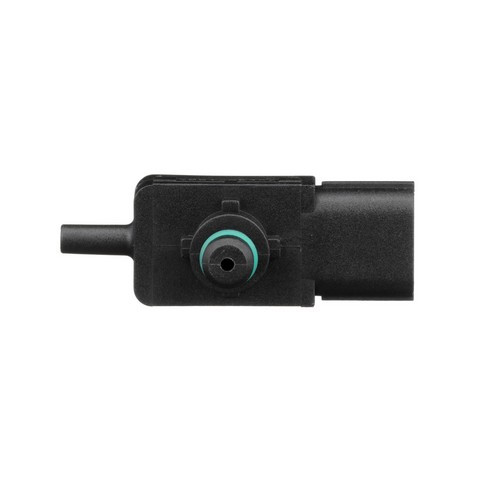
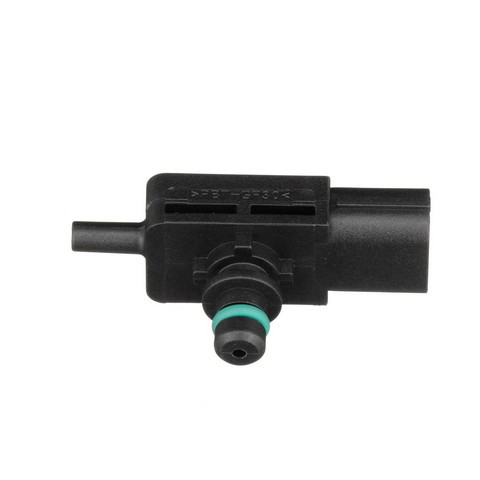
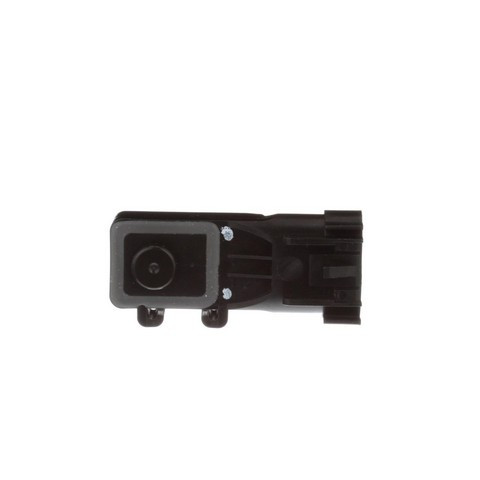
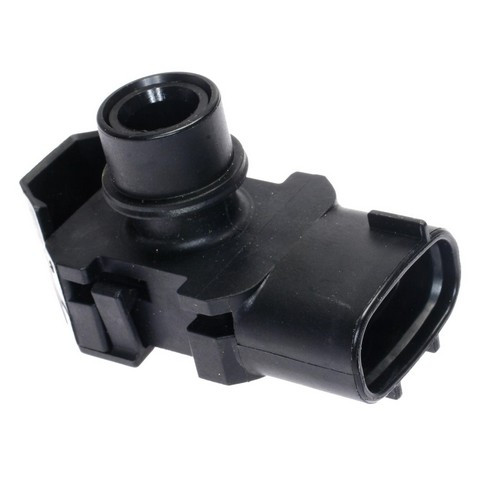
Standard Ignition AS513 fuel tank pressure sensor for the 2007-2019 Honda CR-V and other vehicles senses fuel vapor pressure in the evaporative system.
- 100% pressure tested and inspected
- Rectangular plug-in male connector with three blade terminals
- Connector and terminals made for a secure fit to the engine wire harness
- O-rings included with the sensor
Quick facts
- Part: Standard Ignition AS513 fuel tank pressure sensor
- Fits: 2007-2019 Honda CR-V and other vehicles
- Condition: New
A check engine light with an evaporative system code can be a sign this sensor has failed. These signs alone do not prove the sensor is at fault, since a loose or worn gas cap is another common cause. This listing is one sensor, and the 2007-2019 Honda CR-V takes one.
Fits
This fuel tank pressure sensor is a direct-fit replacement for the 2007-2019 Honda CR-V, the 2008-2017 Honda Accord and the 2006-2015 Honda Civic. Open the "Vehicles it fits" section to check your exact model and engine.
Specifications
Fit and size
- Quantity per vehicle: 1
- Port quantity: 1
- Vacuum port quantity: 1
- Connector quantity: 1
- Terminal quantity: 3
Build and materials
- Connector: rectangular, male, plug-in
- Terminals: male blade
- O-rings: included
- Condition: New
- Country of origin: Thailand
In the box
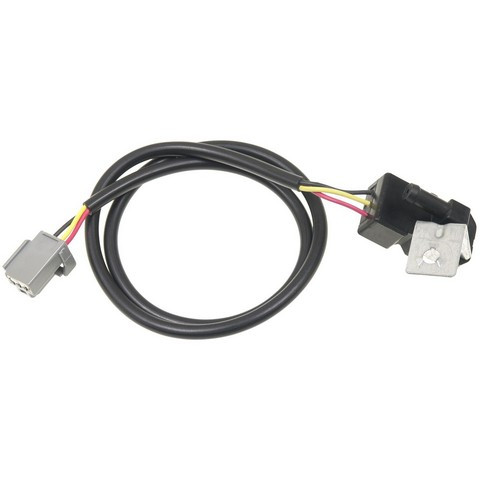
One fuel tank pressure sensor with O-rings. The wiring harness, mounting hardware and mounting bracket are not included, and any old hardware may not be reusable, so plan on new pieces.
Product information is for general reference and may contain errors. See our Disclaimer.
Frequently Asked Questions
Is this a Civic fuel tank pressure sensor for the 2006-2015 Honda Civic?
Yes. Standard Ignition AS513 fits the 2006-2015 Honda Civic, and the car takes one.
Does the AS513 fuel tank pressure sensor come with O-rings?
Yes. Standard Ignition AS513 includes O-rings. The wiring harness, mounting hardware and mounting bracket are not included.
What kind of connector does this fuel tank pressure sensor have?
It has one rectangular, male, plug-in connector with three male blade terminals.
How can I tell if a fuel tank pressure sensor is going bad?
A check engine light with an evaporative system code can come on if the sensor is faulty. A shop's scan tool reading tells you more than the light alone.
Is each AS513 fuel tank pressure sensor tested before it is sold?
Yes. Every Standard Ignition AS513 is 100% pressure tested and inspected.