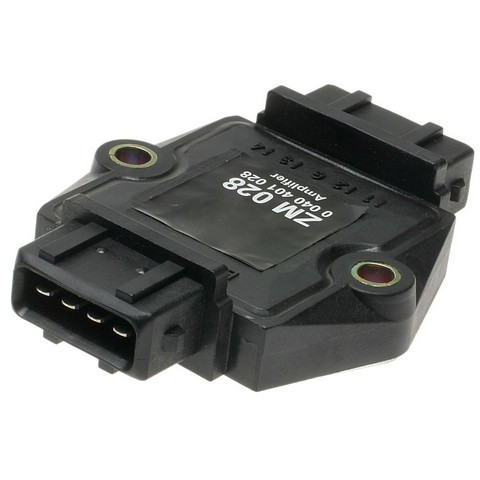
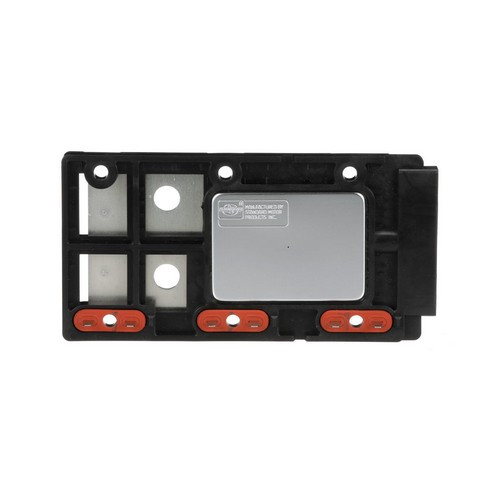
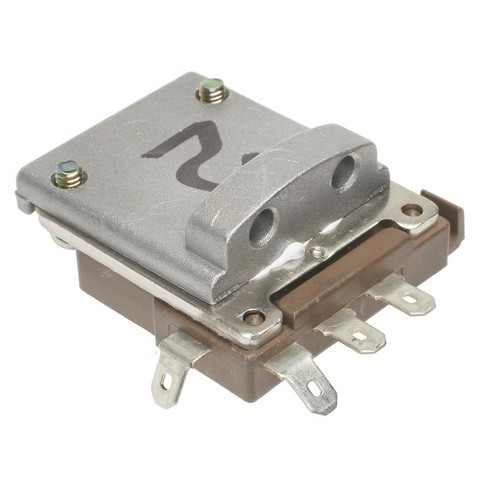
Standard Ignition LX-928 ignition control module for the 1997-1999 Audi A4 4-cylinder 1.8L and other vehicles controls the ignition coils from the crankshaft position sensor signal. The module is designed to correct the failure issues inherent in the original ignition module.
- Copper slug heat sinks that dissipate heat and protect the module from heat damage
- High-temperature polymer housing that reduces moisture intrusion and minimizes vibration damage
- Double wire bonds for dependable connections under intense vibration and a tough operating environment
- Durability tested for 500 thermal cycles from -40C to +125C
- Ignition module that responds to a weak crankshaft position sensor signal and begins energizing the coils immediately for cold-weather starts
Quick facts
- Part: Standard Ignition LX-928 ignition control module
- Fits: 1997-1999 Audi A4 4-cylinder 1.8L and other vehicles
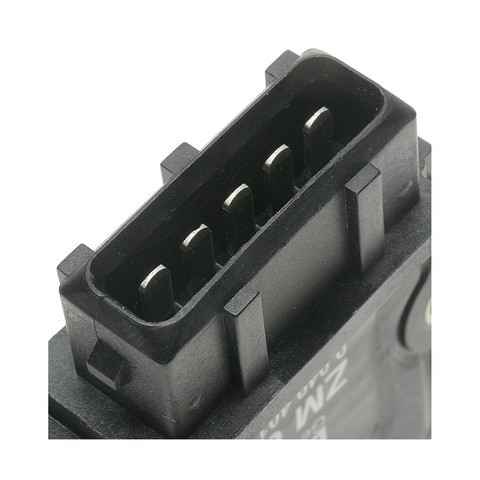
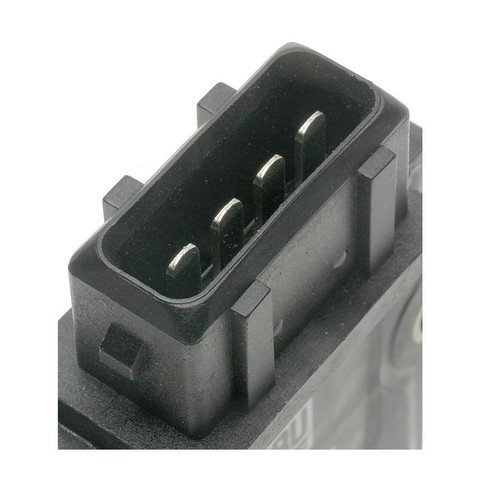
Hard starting, a misfire or a stall can be signs of a failing module, though a coil or sensor problem can look much the same. Before replacing it, look over the two connectors with the engine off for corrosion, bent terminals or heat marks, since the cause may be elsewhere in the ignition circuit.
Fits
It also fits the 1997-1999 Audi A4 Quattro 4-cylinder 1.8L, and both cars take a single module.
Specifications
Fit and size
- Quantity per vehicle: 1
- Voltage: 12 V
- Connectors: 2, female
- Terminals: 9, male blade
- Attachment method: bolt on
Build and materials
- Ignition type: Distributorless
- Housing: high-temperature polymer
- Heat sinks: copper slug
- Country of origin: China
In the box
One ignition control module. Mounting hardware is not included, and the old fasteners may not be reusable, so plan on new bolts.
Product information is for general reference and may contain errors. See our Disclaimer.
Frequently Asked Questions
Is the LX-928 an Audi A4 control module for 1997-1999 models with the 4-cylinder 1.8L?
Yes. Standard Ignition LX-928 fits the 1997-1999 Audi A4 4-cylinder 1.8L and the 1997-1999 Audi A4 Quattro 4-cylinder 1.8L, with one module per car.
Does this Standard Ignition control module come with mounting hardware?
No. Standard Ignition LX-928 comes without mounting hardware, so get new bolts rather than reusing the old ones.
How many terminals and connectors does the LX-928 have?
This module has two female connectors and nine male blade terminals, and it runs on 12 volts.
What temperature testing does this ignition control module go through?
It is durability tested for 500 thermal cycles ranging from -40C to +125C.
Is the LX-928 made for a distributorless ignition system?
Yes. Standard Ignition LX-928 is a distributorless-type module that runs on 12 volts and attaches by bolting on.