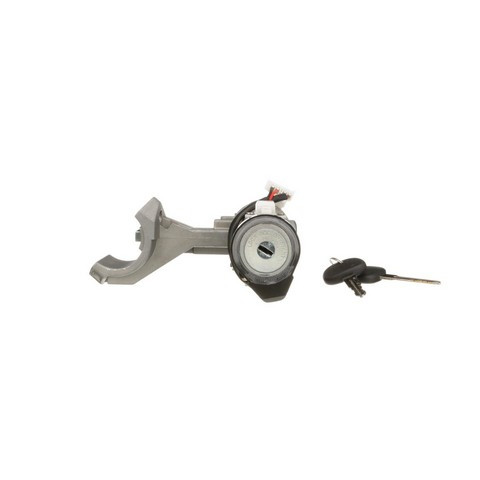
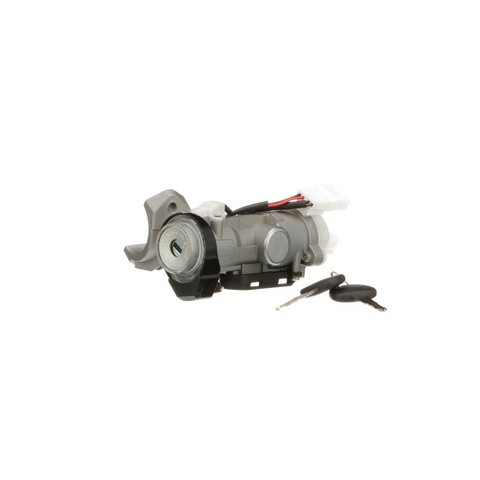
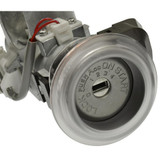
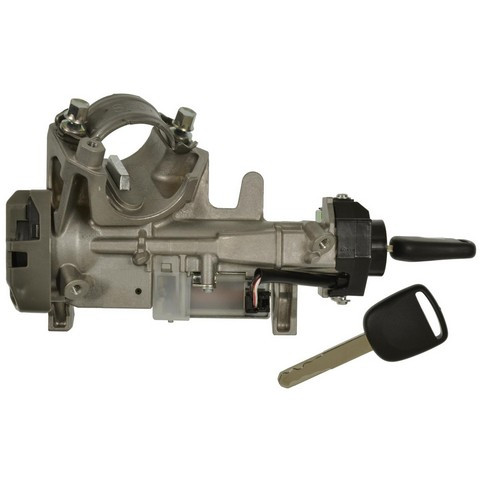
Standard Ignition US1243 ignition lock and cylinder switch for the 2008-2009 Kia Spectra takes the key and switches the ignition circuits. Also called an ignition switch with lock cylinder, it replaces a damaged original unit.
- Electrically operated switch with the lock cylinder in one unit
- Tested to verify both mechanical and electrical switching performance
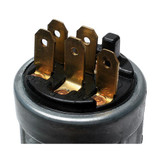
- Rectangular female connectors with male blade terminals
- Clamp attachment with a mounting bracket included
- Coded lock cylinder with two keys included
Quick facts
- Part: Standard Ignition US1243 ignition lock and cylinder switch
- Fits: 2008-2009 Kia Spectra
- Condition: New
A key that turns hard, a car that won't crank or power that cuts out can mean a worn ignition lock and cylinder switch. A weak battery, a failing starter or a worn key can be behind a no-crank too, so find the cause before buying.
Fits
It is a direct-fit replacement for the 2008-2009 Kia Spectra, made to OE spec for fit, form and function.
Specifications
Fit and size
- Quantity per vehicle: 1
- Mounting location: Column
- Attachment method: Clamp
- Connector quantity: 2
- Terminal quantity: 10
Build and materials
- Type: ignition lock and cylinder switch
- Coding: Coded
- Keys: 2 included, not programmable
- Finish: Aluminum, Plastic
- Condition: New
- Country of origin: China
In the box
This listing holds one ignition lock and cylinder switch, two keys and a mounting bracket; the 2008-2009 Kia Spectra takes one. Mounting hardware and instructions are not included, so plan on new fasteners, since the old ones may not be reusable.
Frequently Asked Questions
Is the Standard Ignition US1243 the right switch for a 2008-2009 Kia Spectra?
Yes. Standard Ignition US1243 is a direct-fit replacement for the 2008-2009 Kia Spectra, and the car takes one.
Does this ignition lock and cylinder switch come with keys?
Yes. This ignition lock and cylinder switch comes with two keys and a mounting bracket. Mounting hardware and instructions are not included.
Are the keys on the Standard Ignition US1243 programmable?
No. Standard Ignition US1243 has a coded lock cylinder with two keys that are not programmable.
My key turns hard or the car won't crank: could the ignition lock and cylinder switch be worn?
A hard-turning key, a no-crank or power that cuts out can be signs the ignition lock and cylinder switch is worn. A shop can test the electrical side of it.
How is the Standard Ignition US1243 tested?
Each ignition lock and cylinder switch is tested to verify both mechanical and electrical switching performance.