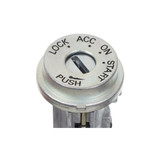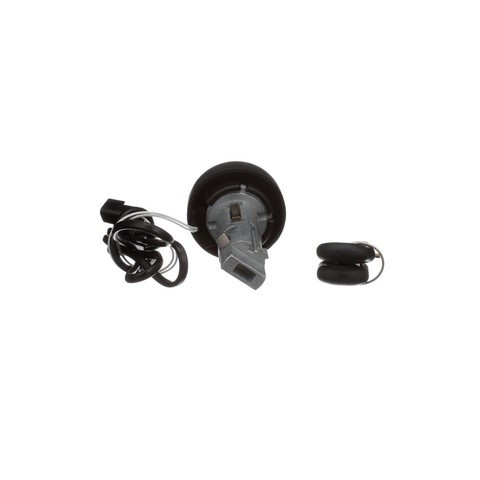
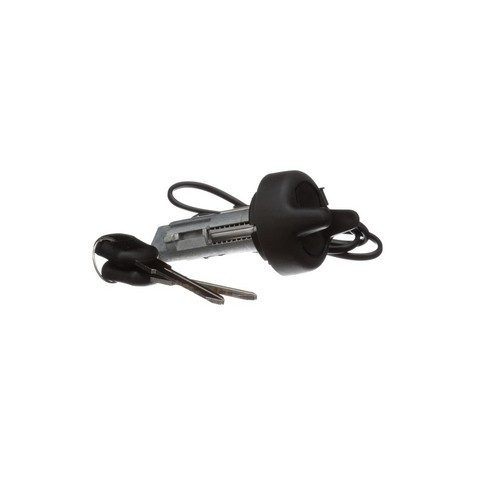
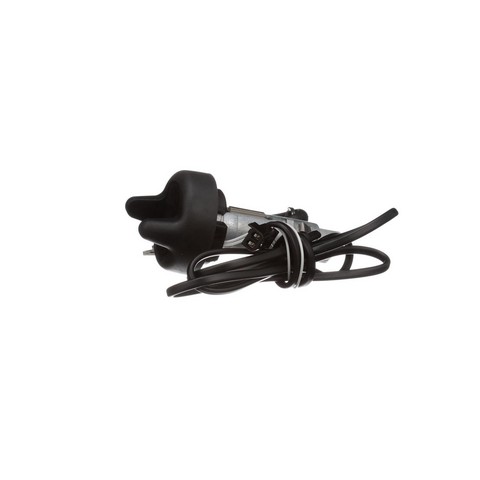
Standard Ignition Ignition Lock Cylinder P/N:US-132L
Standard Motor Products
Standard Ignition US-222L ignition lock cylinder for the 1997-2005 Buick Century V6 3.1L and other vehicles accepts the key to switch the ignition on and start the engine. The cylinder is made for GM vehicles.
A key that sticks, turns stiffly or is hard to pull out can mean the lock cylinder is wearing. These signs alone do not prove the cylinder is the problem, because a worn key is another common cause.
It is a direct-fit replacement ignition lock cylinder for the 1997-2005 Buick Century V6 3.1L and the 1997-2004 Buick Regal V6 3.8L.
Fit and size
Build and materials
One ignition lock cylinder with one key and instructions. This listing holds one cylinder, and each vehicle takes one. The mounting bracket is not included.
Interchange: CS778L · KS6778L · 26054914 · LC63320
Product information is for general reference and may contain errors. See our Disclaimer.
This part cross-references / interchanges with the following part numbers:
Is this the right ignition lock cylinder for the 1997-2004 Buick Regal V6 3.8L?
Yes. Standard Ignition US-222L is a direct-fit replacement for the 1997-2004 Buick Regal V6 3.8L, and that car takes one cylinder.
Does this ignition lock cylinder come with a key?
Yes. This lock cylinder comes with one key and instructions. The mounting bracket is not included.
What are the tumblers and key made of on this ignition lock cylinder?
The tumblers are solid brass and the key is chrome plated brass. The lock core is die-cast zinc.
How can I tell an ignition lock cylinder is wearing out?
A key that sticks, turns stiffly or is hard to pull out can be a sign of wear. A shop can test the ignition if the signs continue.
What kind of connector does the US-222L have?
Standard Ignition US-222L has one male connector with two female blade terminals.
No reviews yet — be the first to review this product.
Write a Review
WARNING: These products can expose you to chemicals including lead and phthalates, which are known to the State of California to cause cancer and birth defects or other reproductive harm. For more information go to www.P65Warnings.ca.gov.