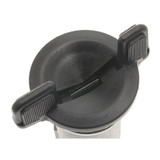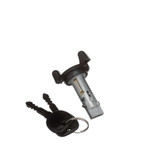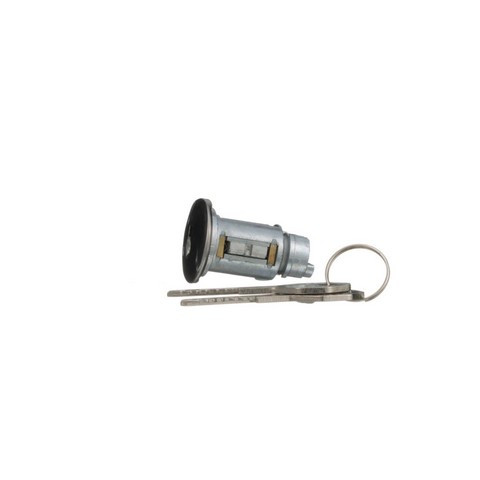
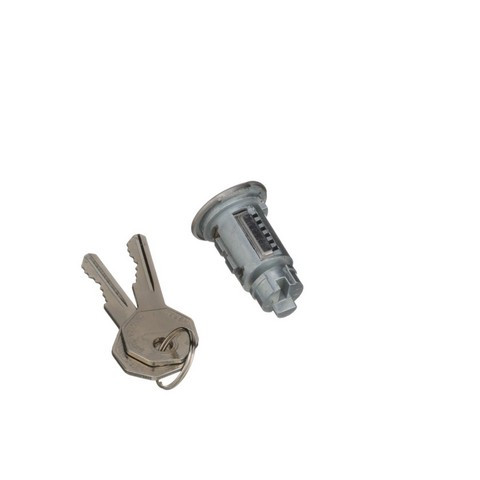
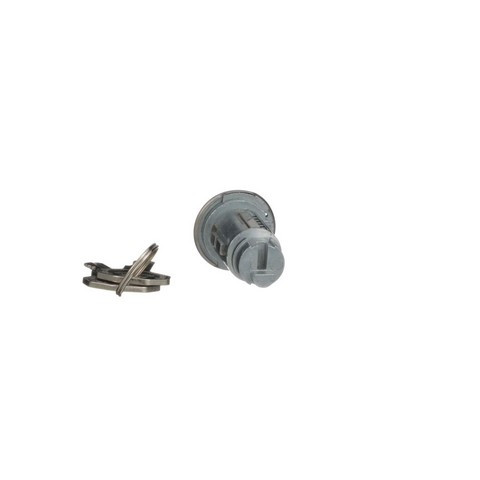
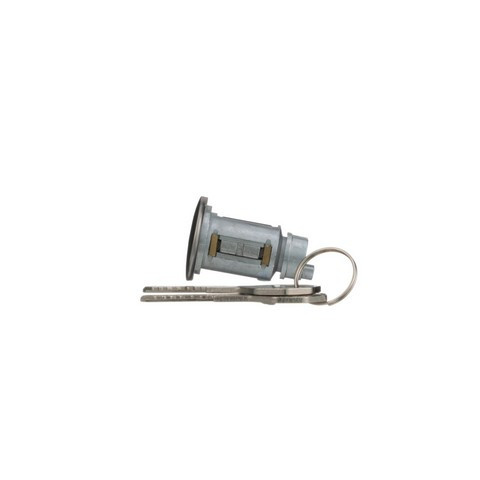
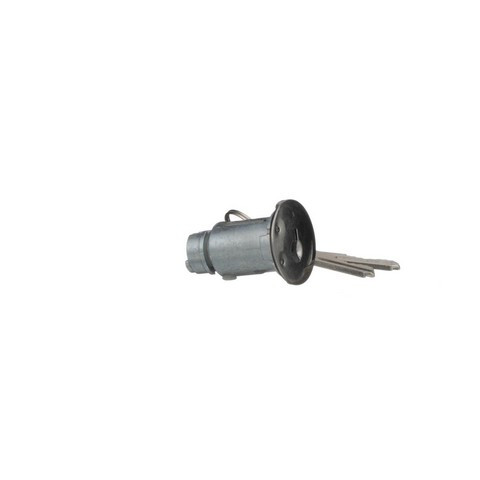
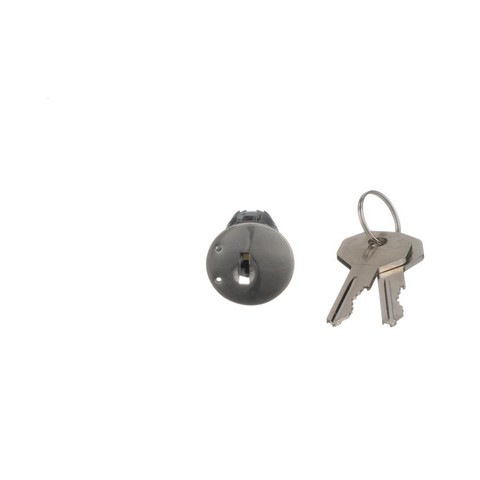
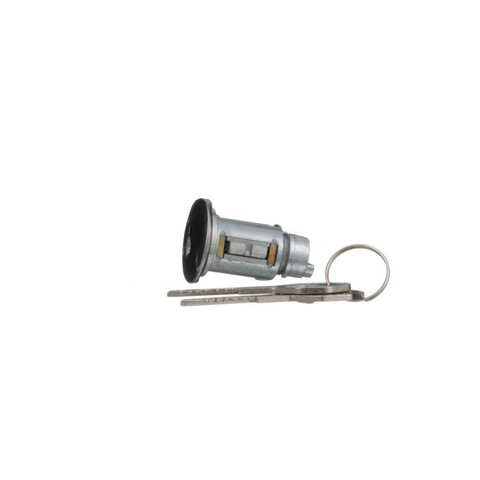
Standard Ignition Ignition Lock Cylinder P/N:US-371L
Replace a worn or sticking key lock with the Standard Ignition Lock Cylinder US-22L, the keyed cylinder your ignition key turns to operate the vehicle's ignition. It fits many vehicles, among them the 1965 Chevrolet Impala, 1960-1962 Chevrolet Suburban and 1960-1966 Chevrolet P10 Series.
The ignition lock cylinder is the part of the ignition that accepts the key. When the key is turned, the cylinder rotates and operates the ignition switch through its positions. US-22L is a direct-fit replacement for the listed applications.
Signs this part may need replacing: The key may be hard to insert or turn, stick in the lock, or refuse to release. A worn key or a failing ignition switch can cause similar symptoms, so diagnose the cause first. If the lock cylinder is at fault, US-22L replaces it.
Is this the right Chevy Impala ignition lock cylinder for a 1965 Impala?
Yes. The 1965 Chevrolet Impala is listed with L6-3.8L, L6-4.1L, V8-4.6L, V8-5.3L, V8-5.4L, V8-6.5L and V8-6.7L engines, and each uses one cylinder.
Does it fit early-1960s Chevrolet trucks?
It is listed for the 1960-1962 Chevrolet Suburban and the 1960-1966 Chevrolet P10 Series, among many other vehicles. Check the Buyer's Guide tab for your exact vehicle.
What does an ignition lock cylinder do?
It accepts the ignition key. When you turn the key, the cylinder rotates and operates the ignition switch through its positions.
What are signs the lock cylinder may be failing?
The key may be hard to insert or turn, stick, or refuse to come out. A worn key or ignition switch can cause similar symptoms, so diagnose the cause before replacing.
How many lock cylinders does my vehicle need?
The listed applications each use one ignition lock cylinder. Follow the vehicle service information for removal and installation.
WARNING: These products can expose you to chemicals including lead and phthalates, which are known to the State of California to cause cancer and birth defects or other reproductive harm. For more information go to www.P65Warnings.ca.gov.