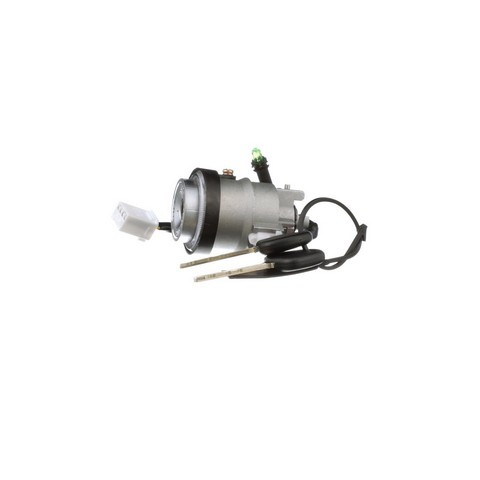
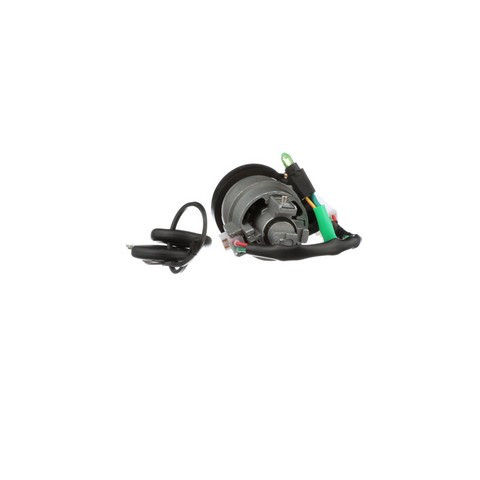
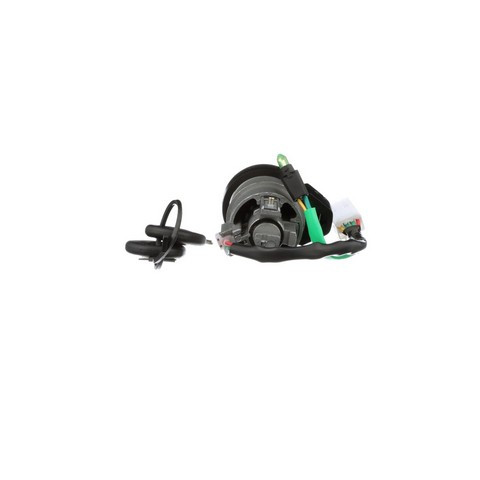
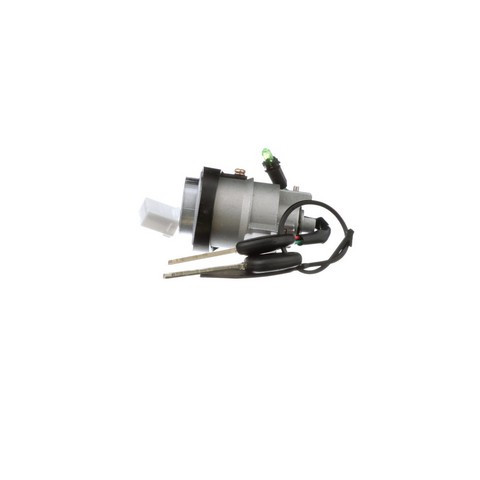
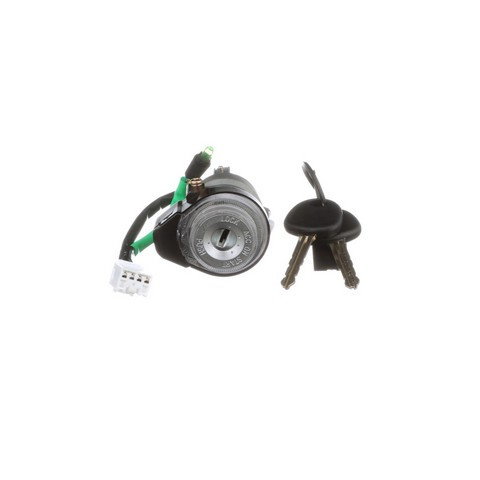
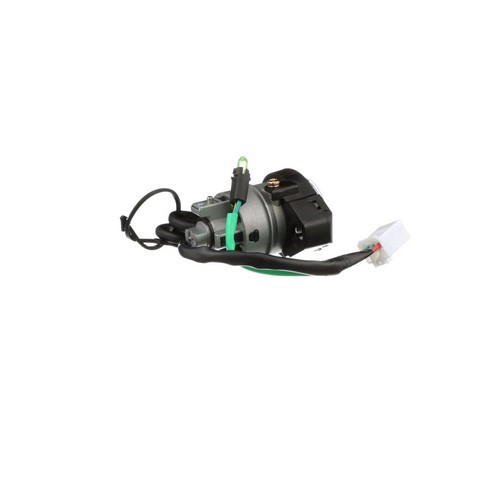
Standard Ignition US-531L ignition lock cylinder for the 2005 Hyundai Sonata V6 2.7L, the 2005-2007 Sonata 4-cylinder 2.4L and the 2006-2007 Sonata V6 3.3L takes your key and turns to start the car. The cylinder is engineered specifically for Hyundai vehicles.
- High-grade aluminum construction for strength under demanding conditions
- Solid brass tumblers and die-cast zinc lock cores
- Chrome plated brass keys, two supplied
- Mechanical and electrical performance testing for dependable operation
Quick facts
- Part: Standard Ignition US-531L ignition lock cylinder
- Fits: the 2005 Hyundai Sonata V6 2.7L, the 2005-2007 Sonata 4-cylinder 2.4L and the 2006-2007 Sonata V6 3.3L
- Condition: New
A key that sticks or turns roughly can mean the ignition lock cylinder is worn, though a worn key or the ignition switch can be behind those symptoms as well, so find the cause before you replace anything.
Fits
It is a direct-fit replacement designed to match the original, and each of the 2005 Hyundai Sonata V6 2.7L, the 2005-2007 Sonata 4-cylinder 2.4L and the 2006-2007 Sonata V6 3.3L takes one.
Specifications
Fit and size
- Mounting location: column
- Quantity per vehicle: 1
- Connector: 1 square male connector
- Terminals: 4 female blade terminals
Build and materials
- Coding: coded
- Keys: 2 included, chrome plated brass
- Tumblers: solid brass
- Lock cores: die-cast zinc
- Condition: New
- Country of origin: China
In the box
One ignition lock cylinder with two keys. A mounting bracket and instructions are not included, and the old bracket may not be reusable.
Product information is for general reference and may contain errors. See our Disclaimer.
Frequently Asked Questions
Is the US-531L ignition lock cylinder right for the 2005 Hyundai Sonata V6 2.7L?
Yes. Standard Ignition US-531L is listed for the 2005 Hyundai Sonata V6 2.7L, and that car takes one cylinder.
Is this a 2007 Hyundai Sonata ignition lock cylinder replacement?
Yes. Standard Ignition US-531L fits the 2005-2007 Sonata 4-cylinder 2.4L and the 2006-2007 Sonata V6 3.3L, both of which include 2007.
Does this ignition lock cylinder come with keys?
Yes. It comes with two chrome plated brass keys. A mounting bracket and instructions are not included.
Which connector does the US-531L ignition lock cylinder have?
One square male connector with four female blade terminals.
Is the Standard Ignition US-531L ignition lock cylinder coded?
Yes. Standard Ignition US-531L is a coded ignition lock cylinder that mounts on the column.