
Standard Ignition Ignition Switch Actuator Pin P/N:US1493A
Standard Motor Products
Standard Ignition Ignition Switch Actuator Pin P/N:US1493A
$80.99


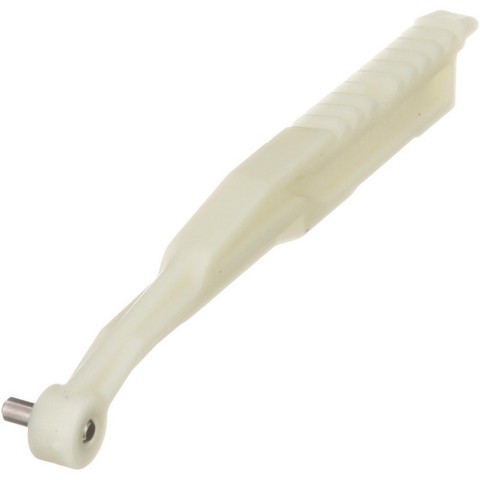
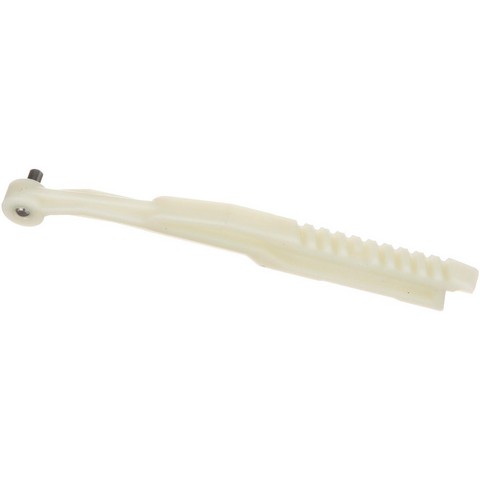
Replace only the broken piece, not the whole ignition switch assembly, with the Standard Ignition switch actuator pin, part number US1498A. It fits many vehicles, among them the 1992-2003 Ford F-150, 1994-2004 Ford Mustang and 1995-2001 Ford Explorer. See the "Vehicles it fits" section for the full list.
The actuator pin often fails. When it breaks, the ignition key can spin freely, or it may not return from "run" to "stop". If a broken actuator pin is causing your problem, this part lets you replace only the broken pieces.
The listed applications use one actuator pin. Country of origin: United States.
Interchange: CS1983 · 4C4Z3E715BA · F2DZ3E723A · LA10583 · KSR101
Product information is for general reference and may contain errors. See our Disclaimer.
This part cross-references / interchanges with the following part numbers:
What does an ignition switch actuator pin do?
It carries the ignition key's movement to the ignition switch. Standard Ignition US1498A replaces only that pin, not the entire ignition switch assembly.
What are signs the actuator pin may need replacing?
A key that spins freely, or one that won't return from "run" to "stop", can mean the pin is broken. Other ignition faults can cause similar symptoms, so find the cause before replacing.
Will this replace the broken pin in my 1994-2004 Ford Mustang switch?
Yes. US1498A is listed as a direct-fit replacement for the 1994-2004 Ford Mustang, and those applications use one pin.
Does this pin fit the 1995-2001 Ford Explorer switch?
Yes. The 1995-2001 Ford Explorer is a listed application, as is the 1992-2003 Ford F-150. The "Vehicles it fits" section lists the other Ford, Lincoln and Mercury models.
What comes in the box?
One cream-colored actuator pin with a plastic finish. Hardware and wiring are not included.
No reviews yet — be the first to review this product.
Write a Review
Standard Motor Products

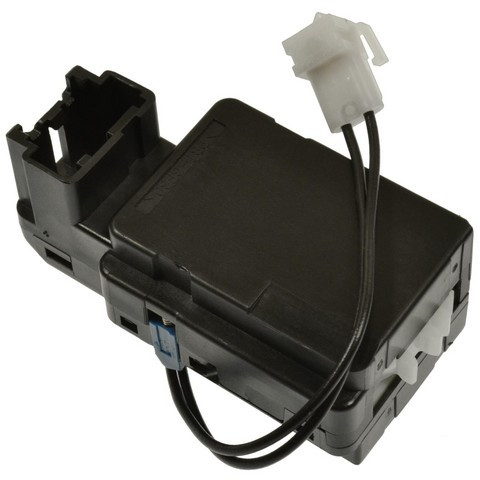
Standard Motor Products


Standard Motor Products
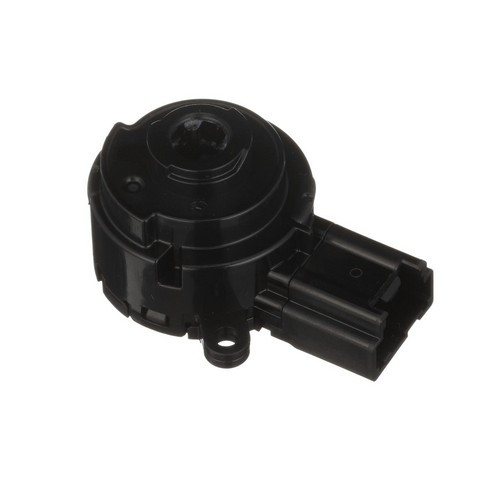
Standard Motor Products
WARNING: These products can expose you to chemicals including lead and phthalates, which are known to the State of California to cause cancer and birth defects or other reproductive harm. For more information go to www.P65Warnings.ca.gov.
