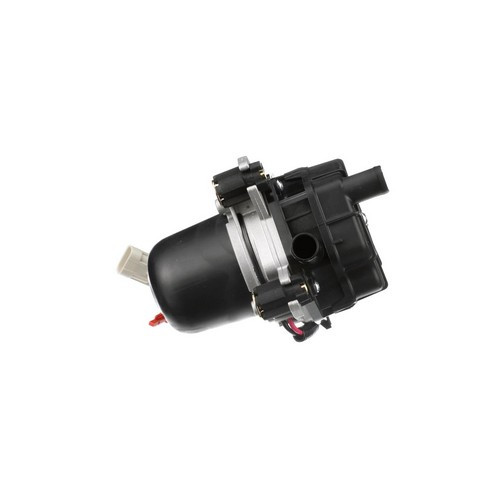
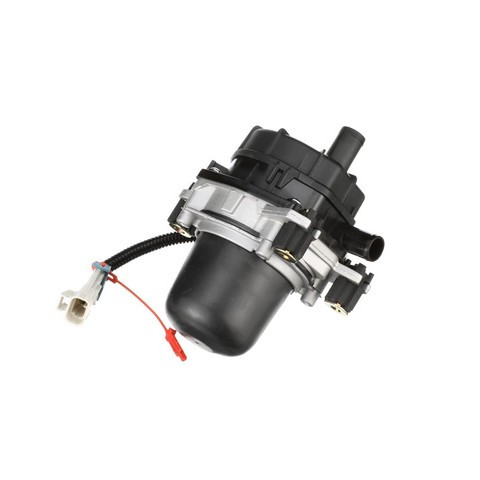
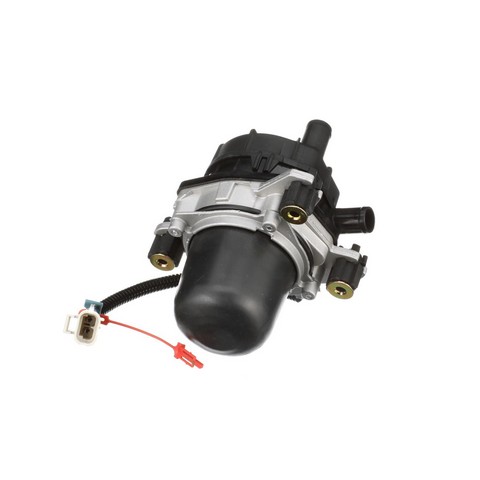
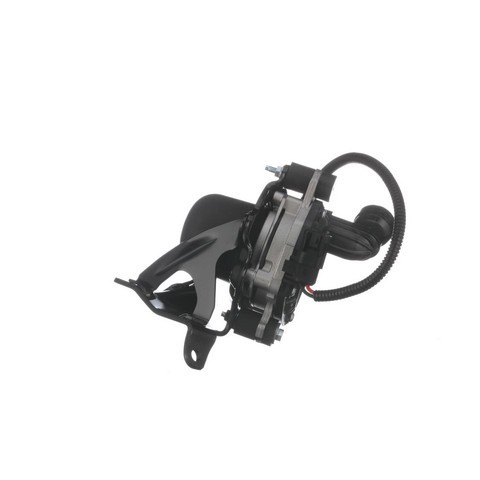
Standard Ignition Secondary Air Injection Pump P/N:AIP39
Standard Motor Products
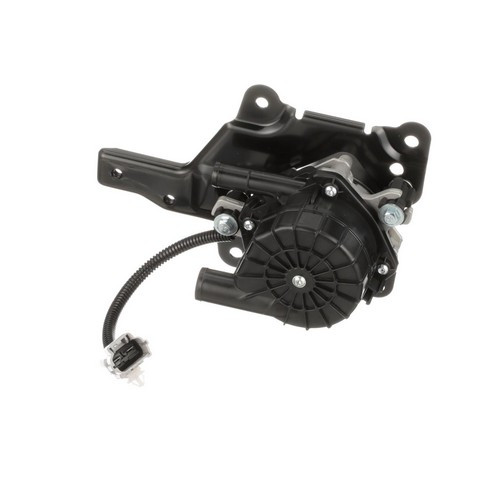
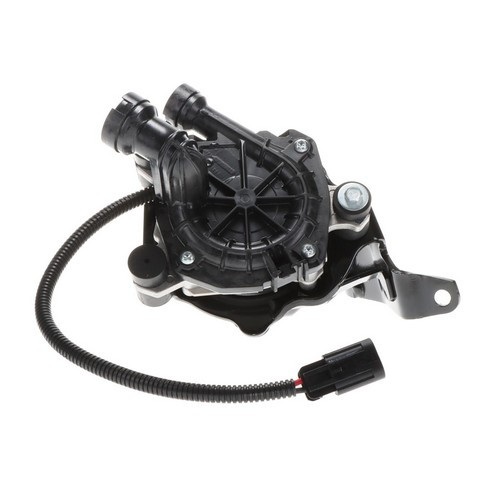
Standard Ignition AIP18 secondary air injection pump for the 1999-2000 Chevrolet Blazer V6 4.3L and other vehicles pumps fresh air into the exhaust to help the emissions system burn off leftover fuel.
A check engine light tied to the secondary air system, or a pump that is noisy or silent at cold start, can mean the pump has failed. A cracked hose or a bad connection can cause similar signs, so with the engine off and cool, look over the hoses and the electrical connector for damage or corrosion before replacing the pump.
The AIP18 is a secondary air injection pump for the 1999-2000 Chevrolet Blazer V6 4.3L, the 1998-2000 Chevrolet S10 V6 4.3L and the 2000 GMC Jimmy V6 4.3L, along with other vehicles. If your vehicle is not one of those, look up its year and engine in the "Vehicles it fits" section. The 1999-2000 Chevrolet Blazer V6 4.3L takes one pump.
Fit and size
Build and materials
Product information is for general reference and may contain errors. See our Disclaimer.
Does the AIP18 work as an S10 secondary air injection pump for the 1998-2000 Chevrolet S10 V6 4.3L?
Yes. The Standard Ignition AIP18 is listed for the 1998-2000 Chevrolet S10 V6 4.3L, and that truck takes one pump.
Where is the Standard Ignition AIP18 secondary air injection pump made?
The country of origin for the Standard Ignition AIP18 is China.
What hose size does this secondary air injection pump take?
It has two hose connectors sized for 3/4 in hose.
What kind of electrical connector does the AIP18 have?
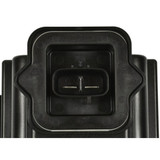
The Standard Ignition AIP18 has one female oval connector with a single male blade terminal.
Can I keep driving with a bad secondary air injection pump?
Have the system checked or the pump replaced promptly. A failed pump can leave the check engine light on and affect emissions, so don't put it off.
No reviews yet — be the first to review this product.
Write a Review
WARNING: These products can expose you to chemicals including lead and phthalates, which are known to the State of California to cause cancer and birth defects or other reproductive harm. For more information go to www.P65Warnings.ca.gov.