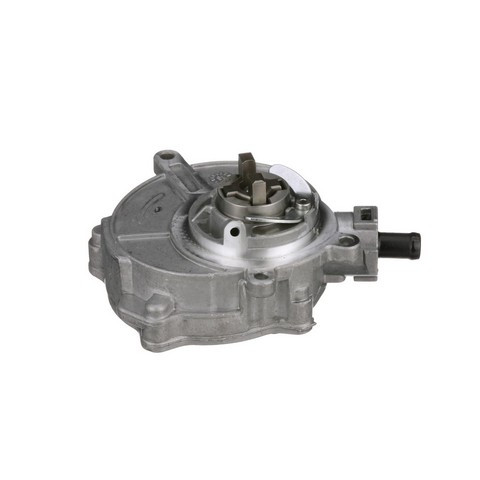
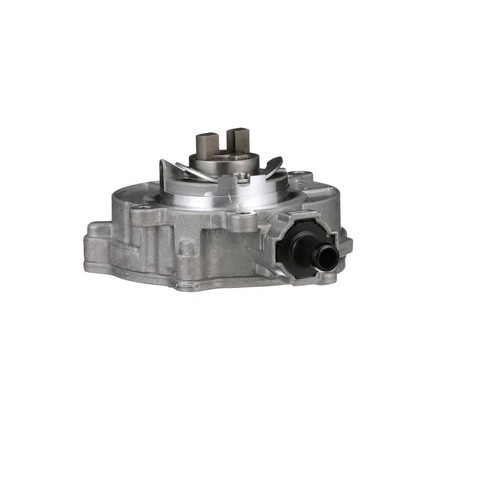
Standard Ignition VCP167 vacuum pump for the 2011-2015 Audi Q7 and other vehicles supplies vacuum for the brake booster and auxiliary systems.
- Seals that prevent leaks and maintain proper vacuum pressure
- Machine-cut pulley shaft for precise fit and ease of installation
- 100% pressure testing to prevent leaks
- Belt-driven pump with a single vacuum port
Quick facts
- Part: Standard Ignition VCP167 vacuum pump
- Fits: 2011-2015 Audi Q7 and other vehicles
- Material: Metal housing
- Condition: New
A hard brake pedal or weak vacuum for the auxiliary systems can mean the pump is wearing out. Those signs alone do not prove the pump is at fault; a leaking vacuum hose is another common culprit. The 2011-2015 Audi Q7 takes one pump.
Fits
This pump is listed for a wide range of Audi models, including the 2012-2018 Audi A7 Quattro and the 2013-2018 Audi A8 Quattro. It is a direct-fit OE replacement for these vehicles. If your car is not one of them, look up your own year and engine in the "Vehicles it fits" section.
Specifications
Fit and size
- Quantity per vehicle: 1
- Vacuum port quantity: 1
- Inlet size: 0.33 in (8.382 mm)
- Drive system: Belt
Build and materials
- Housing material: Metal
- Mounting bracket: included
- Condition: New
- Country of origin: China
In the box
One vacuum pump with its mounting bracket. Gaskets, hardware, O-rings, a relief valve and the pulley are not included. Plan on new hardware, since the old pieces may not be reusable.
Product information is for general reference and may contain errors. See our Disclaimer.
Frequently Asked Questions
Will this Audi Q7 vacuum pump fit a 2011-2015 Audi Q7?
Yes. Standard Ignition VCP167 is listed for the 2011-2015 Audi Q7, and that vehicle takes one pump.
Is this an Audi Q7 brake vacuum pump for the 2017-2019 Audi Q7 too?
Yes. Standard Ignition VCP167 is also listed for the 2017-2019 Audi Q7, and the pump maintains proper vacuum levels for the brake booster.
What inlet size and drive does the VCP167 vacuum pump have?
The inlet is 0.33 in (8.382 mm) with one vacuum port, and the pump is belt-driven. The pulley is not included.
What comes with the VCP167 and what do I need to buy separately?
The pump comes with its mounting bracket. Gaskets, hardware, O-rings, a relief valve and the pulley are not included.
Is the Standard Ignition VCP167 pressure tested?
Yes. Every Standard Ignition VCP167 vacuum pump undergoes 100% pressure testing to prevent leaks.