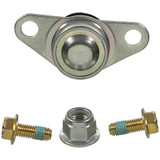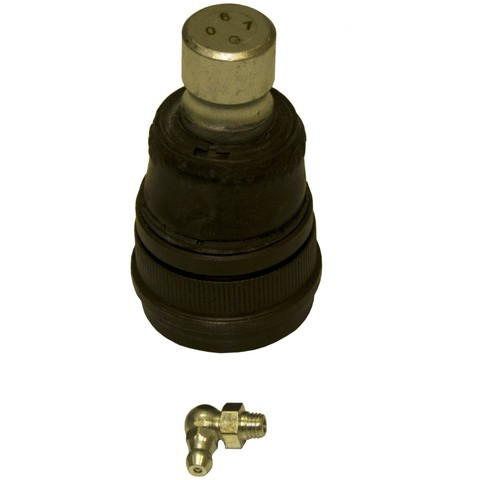
MOOG Chassis Products Suspension Ball Joint P/N:K500205

Be the first to review this product
$57.99
MPN: K500205
UPC: 080066028439
Item Package Quantity: 1
Adding to cart… The item has been added

Have questions?

MOOG Chassis Products Suspension Ball Joint P/N:K500205
$57.99

Bring back tight, precise steering with the MOOG ball joint K500205, a front lower suspension ball joint that installs as a direct-fit, OE fit-and-function replacement for the 2007-2014 Ford Edge, 2007-2015 Lincoln MKX, and 2007-2015 Mazda CX-9. As a MOOG problem solver ball joint, it pivots to support and locate the front suspension while allowing the steering knuckle to swivel through the vehicle's range of motion.

  • Problem Solver Gusher Bearing: metal-to-metal design provides strength and lets grease flow through the bearing surface to reduce friction and promote long life.
  • Greaseable socket: allows fresh lubricant to flush out contaminants, reducing corrosion and wear.
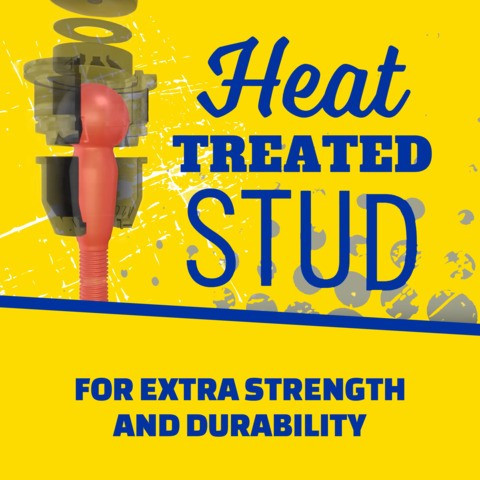
  • Premium boot & heat-treated ball stud: the boot keeps out contaminants, and the ball stud is heat treated to match or exceed OE requirements to improve fatigue strength.
  • Belleville preload washer & pressed-in cover plate: help keep the bearing package tight as bearings wear and seal out debris.

Built with heavy-duty gauge steel construction, this is one of MOOG's lower ball joints designed to help restore vehicle handling. If a worn front lower ball joint is behind clunking, looseness, or wandering steering, replacing it addresses that joint. See the Buyer's Guide tab to confirm the engine for your vehicle.

Frequently Asked Questions

Does the MOOG K500205 fit my vehicle?

It's cataloged as a front lower suspension ball joint for the 2007-2014 Ford Edge, 2007-2015 Lincoln MKX, and 2007-2015 Mazda CX-9. Check the Buyer's Guide tab to confirm your exact engine and trim.

Is this an upper or lower ball joint?

It's a front lower suspension ball joint.

Is the K500205 greaseable?

Yes. It has a greaseable socket that lets you add fresh lubricant to flush out contaminants, helping reduce corrosion and wear.

What are signs a ball joint may need replacing?

Clunking over bumps, loose or wandering steering, and uneven front tire wear can be signs. Have the joint inspected to confirm the cause before replacing.

Should I replace both sides at once?

Ball joints typically wear at a similar rate, so replacing the matching side at the same time is good practice for balanced, even steering and handling.