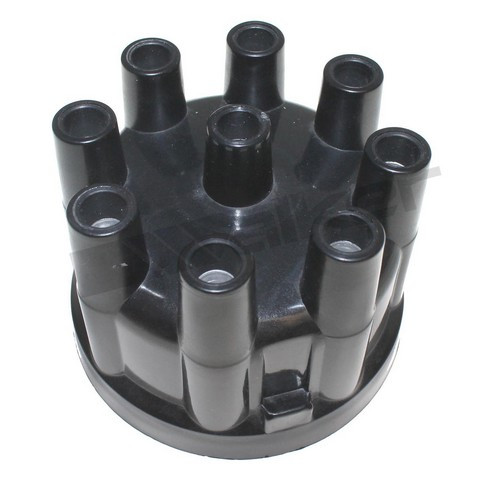
Route ignition coil voltage to the right cylinder with the ThunderSpark Distributor Cap 925-1054 (also written 9251054), an OE-replacement cap for vehicles with conventional distributor-based ignition systems. It drops into the original distributor housing to restore proper spark distribution across a wide range of 1968-1987 imports and mini-trucks, including the Chevrolet LUV, Chevrolet S10, GMC S15, Ford Courier, Honda Accord, Honda Civic, Honda Prelude, and various Mazda, Nissan, and Subaru models — see the Buyer's Guide tab for the full application and engine list.
The distributor cap directs high-voltage current from the ignition coil to the correct spark plug via the rotor and internal terminals. Over time, caps can develop carbon tracking, cracking, or corrosion — signs that may show up as misfires, hard starting, or drivability issues. If a worn or cracked cap is the cause, this unit replaces it.
- Heat-Resistant Materials: built with high-dielectric compounds to withstand high voltage, thermal cycling, and engine vibration.
- Directs High-Voltage Spark: routes ignition coil output to the correct cylinder to support the proper firing order.
- OE Replacement Quality: made to meet OE specs for terminal alignment, dielectric strength, and conductive path.
- OE Fit: designed to install into the original distributor housing and maintain contact with the rotor and ignition wires.