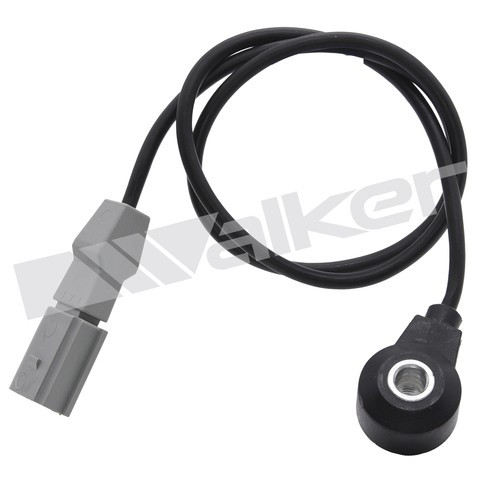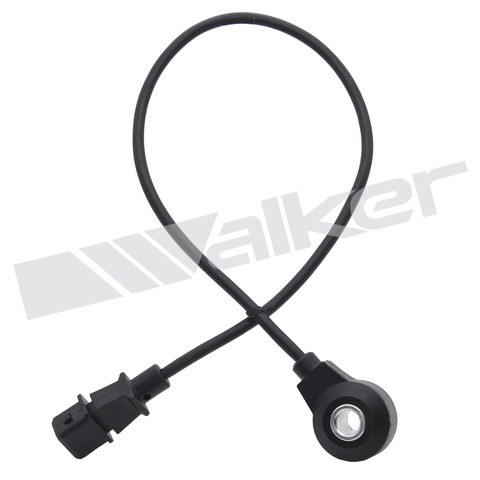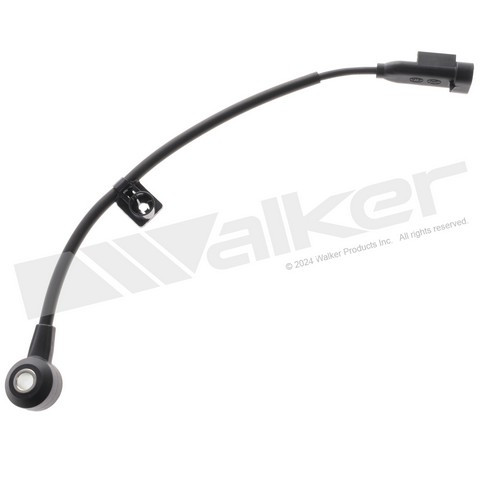
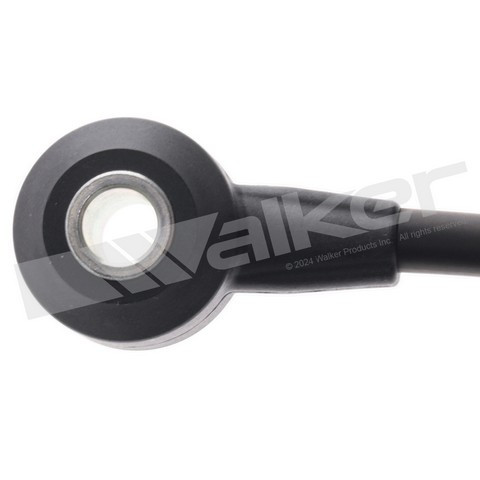
Walker Products Ignition Knock (Detonation) Sensor P/N:242-1181
Keep your engine's timing on track with the Walker Products Ignition Knock (Detonation) Sensor 242-1088. It installs as a direct-fit replacement across a wide list of Hyundai and Kia applications, including the 2011-2020 Hyundai Elantra, 2013-2020 Elantra GT, 2013-2014 Elantra Coupe, 2016-2019 Sonata, 2014-2021 Tucson, 2018-2022 Kona, 2019-2021 Veloster, 2014-2021 Kia Forte, 2014-2016 Forte Koup, 2014-2018 Forte5, 2017-2020 Optima, 2012-2021 Soul, and 2021 Seltos — see the Buyer's Guide tab for the full list.
A knock sensor monitors the engine block for the vibrations of detonation (spark knock) and reports them to the engine control module, which adjusts ignition timing to help protect the engine.
Interchange: 5S12481 · EKS925 · DKS865 · 392502E000 · KS425 · SU13896
Manufacturer part number 242-1088 (also 2421088).
This part cross-references / interchanges with the following part numbers:
What does this knock sensor do?
It detects the vibrations of engine knock (detonation) and signals the engine control module, which can then retard ignition timing to help protect the engine.
Which vehicles does the 242-1088 fit?
It's a direct-fit replacement for many Hyundai and Kia models, including the Elantra, Sonata, Tucson, Kona, Veloster, Forte, Optima, Soul, and Seltos. Check the Buyer's Guide tab for the full list and years.
What are the signs of a failing knock sensor?
A stored knock-sensor trouble code, a check engine light, or audible pinging under load may indicate a failed sensor. Diagnose the cause first, since other issues can trigger the same symptoms.
What interchange numbers does this replace?
It cross-references 5S12481, EKS925, DKS865, 392502E000, KS425, and SU13896.
Will replacing this fix my check engine light?
If a failed knock sensor is the confirmed cause of the code, this replaces it. Other faults can set similar codes, so confirm the diagnosis before installing.
WARNING: These products can expose you to chemicals including lead and phthalates, which are known to the State of California to cause cancer and birth defects or other reproductive harm. For more information go to www.P65Warnings.ca.gov.