ADVICS Disc Brake Rotor P/N:R6F227U

Be the first to review this product
$94.99
MPN: R6F227U
Item Package Quantity: 1
Adding to cart… The item has been added

Have questions?

ADVICS Disc Brake Rotor P/N:R6F227U
$94.99

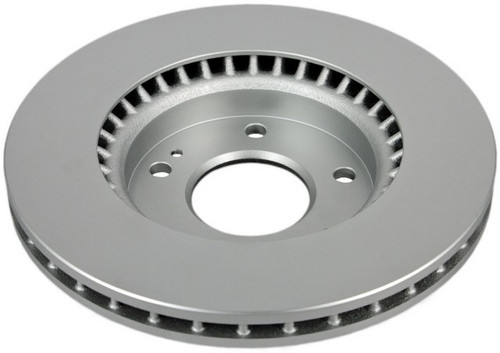
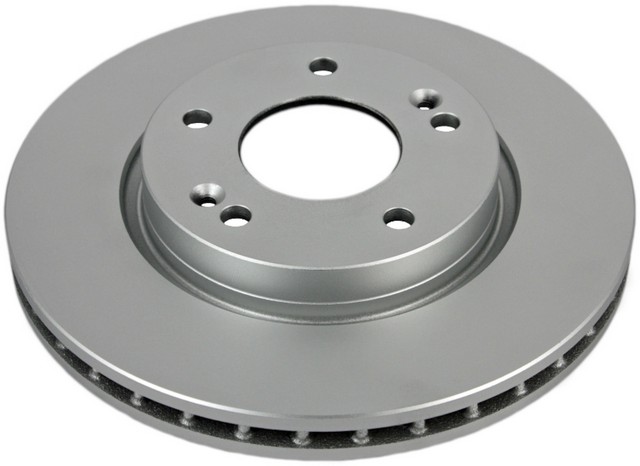
Keep your front brakes biting smoothly with the ADVICS OE Replacement Disc Brake Rotor (P/N R6F227U) — a direct-fit front rotor among the 2007-2010 Hyundai Elantra rotors. It installs as a direct-fit front replacement for the listed application.

  • High-carbon metallurgy: made using high-carbon metallurgy to help maintain thermal stability and reduce opportunities for warping.
  • Vented design: internal vanes let air flow freely between the braking surfaces for cooling, built to OEM weight, vane count, and air gap.
  • Corrosion protection coating: applied to match OEMs.
  • Smooth, non-directional finish: 275.0 mm (10.827 in) outside diameter, 26.0 mm nominal thickness, 69 mm center hole, 114.3 mm (4.5 in) bolt circle, 5 lug holes. No ABS tone ring included.

Designed to help support longer pad and rotor life. Sold individually — this listing is for one rotor; replacing both front rotors together as a matched pair is recommended for even, balanced braking. Discard thickness is 24.0 mm (0.945 in). Country of origin: China.

Frequently Asked Questions

Does this rotor fit my 2007-2010 Hyundai Elantra?

Yes, it's a direct-fit front rotor for the 2007-2010 Hyundai Elantra. Confirm the year and model against the Buyer's Guide tab before ordering.

Is this a front or rear rotor?

It's cataloged as a front rotor for the listed application.

How many rotors do I need?

This listing is for one rotor. The listed application uses two on the front axle; replacing both sides together as a matched pair is recommended for even, balanced braking.

Is this a vented rotor?

Yes. It's a vented rotor with internal vanes built to OEM weight, vane count, and air gap to let air flow between the braking surfaces for cooling.

What is the rotor made of?

It's made using high-carbon metallurgy to help maintain thermal stability and reduce the opportunity for warping.