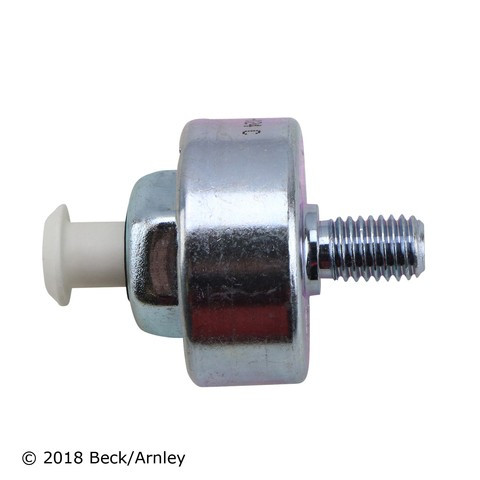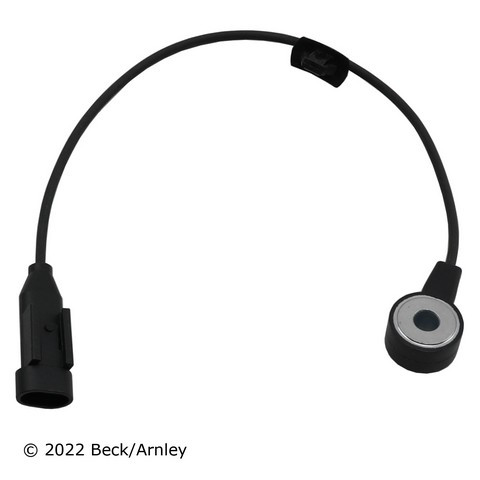
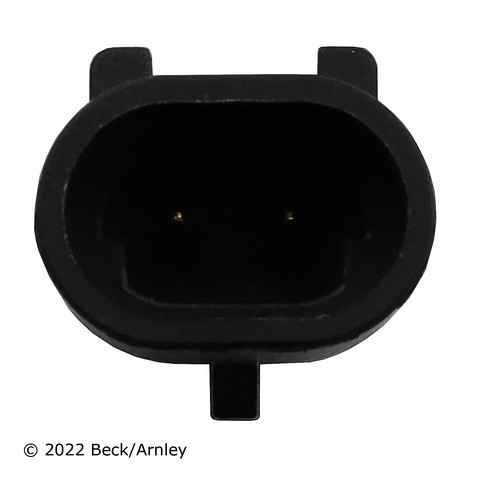
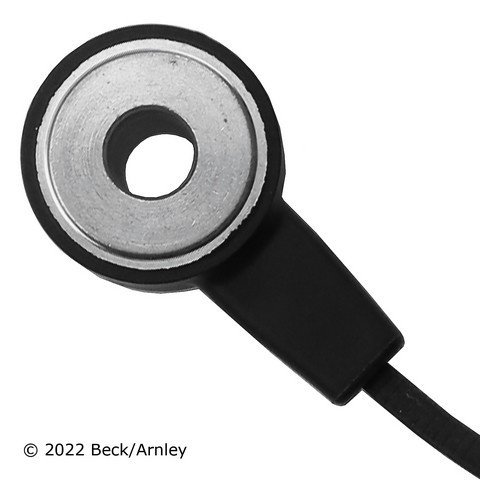
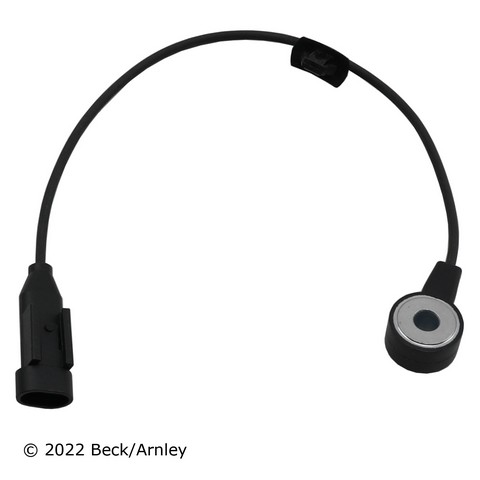
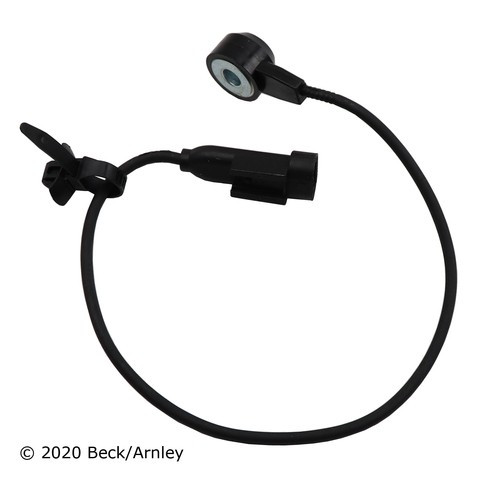
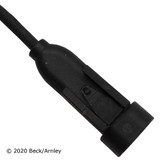
Beck/Arnley Ignition Knock (Detonation) Sensor P/N:158-1674
Beck/Arnley 158-1736 ignition knock (detonation) sensor for the 2011-2019 Hyundai Sonata 4-cylinder 2.0L and other vehicles senses engine knock and reports it to the engine computer.
A check engine light, pinging under load or reduced power can come with a failing knock sensor. Worn spark plugs, a weak ignition coil or damaged wiring can show up the same way, so trace the cause before you buy.
This knock sensor also fits the 2011-2020 Kia Optima 4-cylinder 2.0L and the 2016-2018 Kia Sorento 4-cylinder 2.0L, one per engine, and it matches OE form, fit and function. Driving another Hyundai or Kia? Run your year and engine through the "Vehicles it fits" section.
Interchange: 5S12490 · EKS927 · 392502G700 · KS427 · SU13905
Product information is for general reference and may contain errors. See our Disclaimer.
This part cross-references / interchanges with the following part numbers:
Does the Beck/Arnley 158-1736 knock sensor fit the 2011-2019 Hyundai Sonata 4-cylinder 2.0L?
Yes. Beck/Arnley 158-1736 fits the 2011-2019 Hyundai Sonata 4-cylinder 2.0L. The "Vehicles it fits" section covers the other vehicles it fits.
Where does the 158-1736 knock sensor mount on the engine?
This sensor mounts in the cylinder block, which is where it picks up engine knock.
What signs can a failing Beck/Arnley 158-1736 knock sensor show?
Signs can include a check engine light, pinging under load or reduced power. A shop can scan the codes and test the sensor.
Does Beck/Arnley 158-1736 replace the 392502G700 sensor?
Yes. 392502G700 is one of the interchange numbers listed for Beck/Arnley 158-1736.
Are the terminals on this Beck/Arnley knock sensor corrosion resistant?
Yes. The terminals and coatings on Beck/Arnley 158-1736 are corrosion resistant.
No reviews yet — be the first to review this product.
Write a Review
WARNING: These products can expose you to chemicals including lead and phthalates, which are known to the State of California to cause cancer and birth defects or other reproductive harm. For more information go to www.P65Warnings.ca.gov.