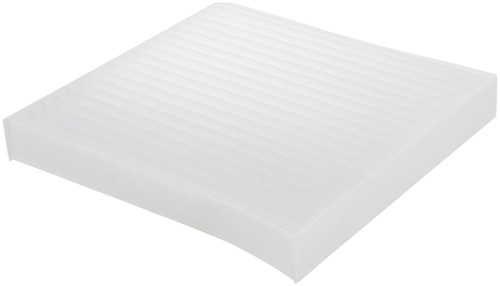
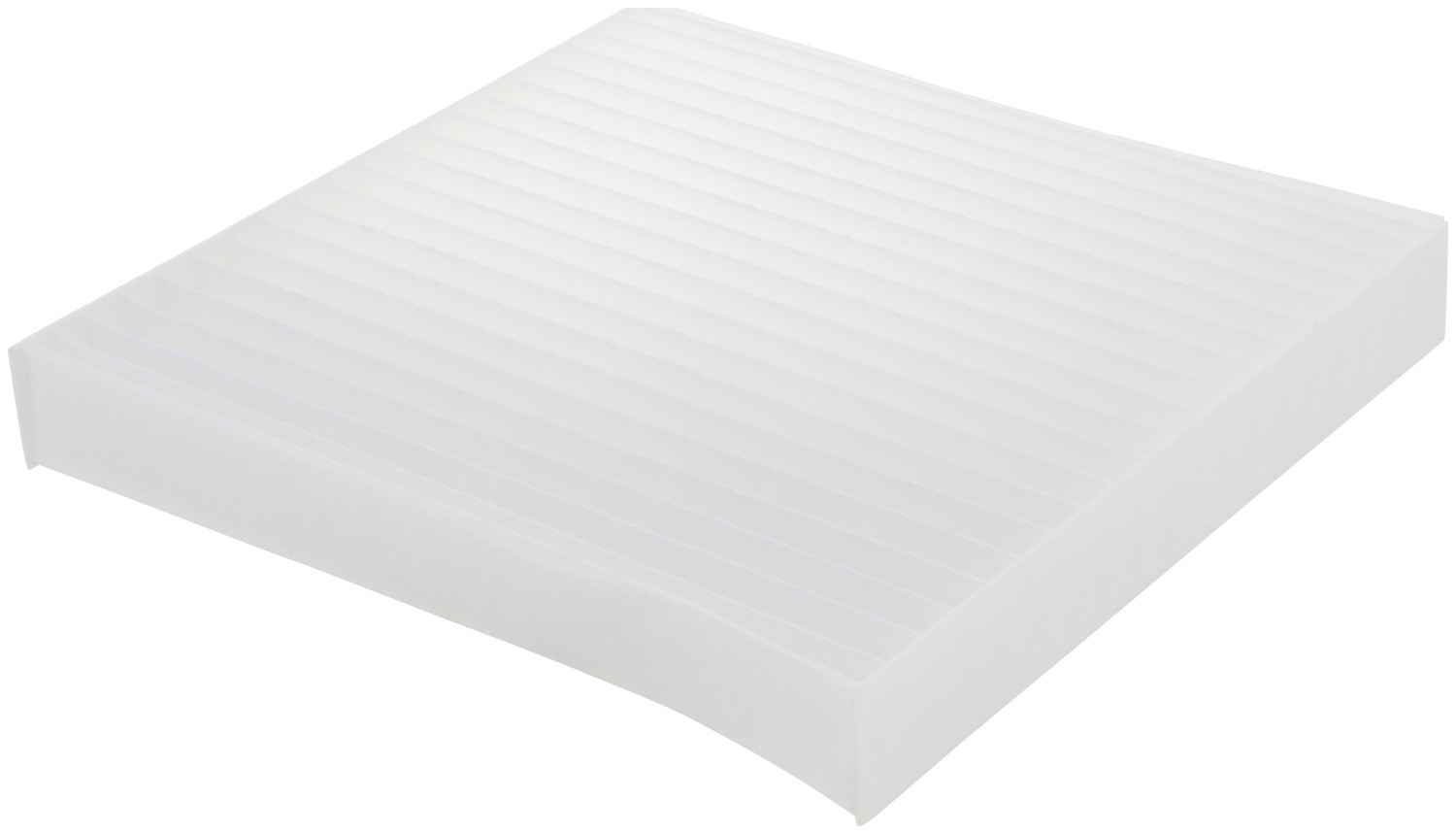
Bosch Cabin Air Filter P/N:P3671WS
Bosch P3939WS cabin air filter for the 2017-2026 Honda CR-V and other vehicles traps dust before it reaches the HVAC system. Its fit is measured to the original, and it is designed and tested as a direct OE replacement.
Weak airflow from the vents, a musty smell or extra dust in the cabin can mean the filter is clogged. Before you replace it, rule out a blower or vent problem, since either can weaken airflow too and needs a different part.
The 2017-2026 Honda CR-V, the 2016-2026 Honda Civic and the 2023-2026 Honda Accord all take this filter, along with many other Honda and Acura models. Only one filter is needed per vehicle. If your car is not named here, look up its year and model in the "Vehicles it fits" section.
Fit and size
Build and materials
One cabin air filter.
Product information is for general reference and may contain errors. See our Disclaimer.
Is the Bosch P3939WS a cabin filter for the 2017-2026 Honda CR-V?
Yes. Bosch P3939WS fits the 2017-2026 Honda CR-V, and the car takes one filter.
Is this the cabin air filter for a 2016-2026 Honda Civic?
Yes. Bosch P3939WS fits the 2016-2026 Honda Civic, and it is also one of the cabin air filters that fit the 2023-2026 Honda Accord.
Is this a BOSCH HEPA cabin air filter, or does it have a carbon layer?
No. Bosch P3939WS is a particulate cabin air filter. It is not a HEPA filter and has no activated carbon pre-filter for odor removal.
How fine a dust particle does this particulate filter catch?
Its multi-layer media traps over 97.5% of dust particles 3 microns or larger, and a high pleat count adds surface area for filtration capacity.
What is the filter media made of on the Bosch P3939WS?
The media is spunbound polyester along with synthetic meltblow fibers, and the filter has a foam perimeter gasket.
Published by the manufacturer of this part. Links open in a new tab.
No reviews yet — be the first to review this product.
Write a Review
WARNING: These products can expose you to chemicals including lead and phthalates, which are known to the State of California to cause cancer and birth defects or other reproductive harm. For more information go to www.P65Warnings.ca.gov.