
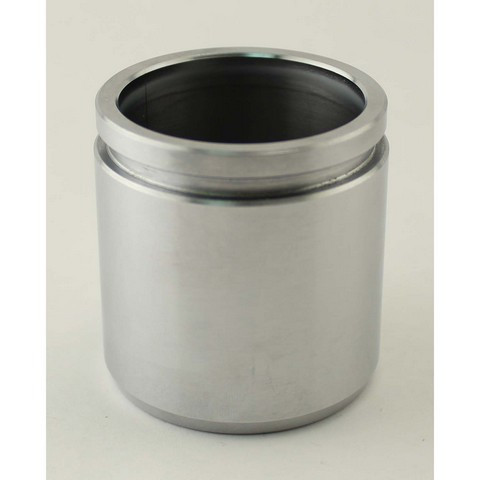


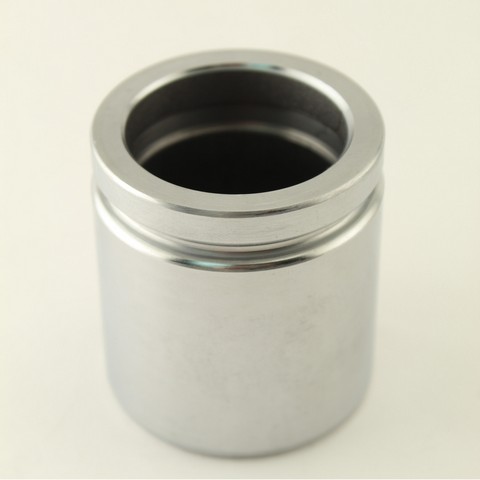
Carlson Disc Brake Caliper Piston P/N:7004
$17.99
The Carlson Disc Brake Caliper Piston 7004 does the hydraulic heavy lifting inside your front brake caliper, using brake-fluid pressure to force the pads against the rotor when you press the pedal. It installs as a direct-fit replacement for the listed applications: the 2000-2006 Audi TT [All], 1999-2010 Volkswagen Beetle [All], 1996-2006 Volkswagen Golf [All], and 1996-2005 Volkswagen Jetta [All].
- Hydraulic actuation: transfers brake-fluid pressure to press the brake pads against the rotor.
- Steel build: made of steel and corrosion-resistant to stand up to harsh road exposure.
- OE-quality: matches Original Equipment (OE) quality specifications and is held to high tolerances.
- Sizing: cataloged as a front caliper piston, 2-1/8 in (53.8 mm) diameter, 2-1/3 in (59 mm) height.
Because friction hardware wears alongside the pads, many brake-service experts replace caliper pistons when the friction material is renewed. If a sticking or corroded piston is the cause of brake drag or uneven pad wear, this replaces it. Sold individually; the listed applications use 2, so order two to service both sides. Country of origin: China.
Interchange: FH7004 · DPS85243
Manufacturer part number 7004
This part cross-references / interchanges with the following part numbers:
7004, FH7004, DPS85243
Frequently Asked Questions
What does this caliper piston do?
It uses brake-fluid pressure to force the brake pads against the rotor, applying the front brakes when you press the pedal.
Which vehicles does it fit?
It fits the 2000-2006 Audi TT [All], 1999-2010 VW Beetle [All], 1996-2006 VW Golf [All], and 1996-2005 VW Jetta [All]. See the Buyer's Guide tab to confirm your vehicle.
What is it made of and how big is it?
It is made of steel and is corrosion-resistant, measuring 2-1/8 in (53.8 mm) in diameter and 2-1/3 in (59 mm) in height.
How many do I need?
It is sold individually. The listed applications use 2 pistons per axle, so order two if you are servicing both front sides.
What are signs this piston may need replacing?
A sticking or seized piston, brake drag, uneven pad wear, or fluid seeping past the seal may point to it. Diagnose the cause before replacing.
Related Products