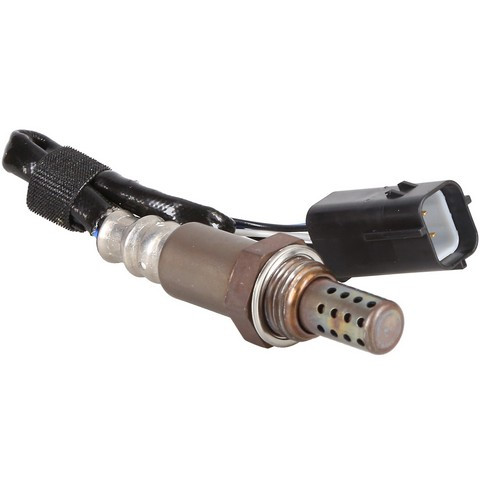
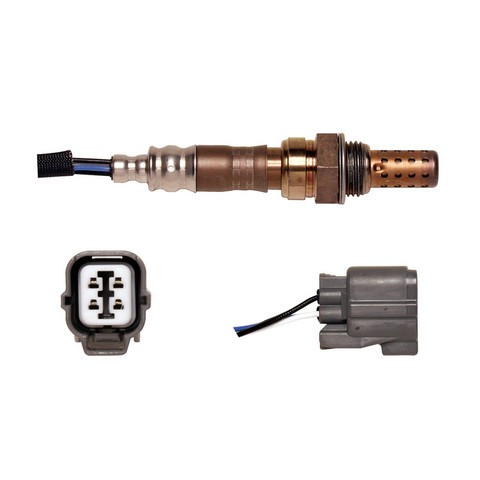
DENSO Auto Parts Oxygen Sensor P/N:234-4850
DENSO Auto Parts 234-4139 front oxygen sensor for the 2000-2005 Toyota Celica 4-cylinder 1.8L and other vehicles senses the oxygen in the exhaust and reports it to the engine computer. It is built and tested to OE standards for a first-time fit.
A check engine light, weaker fuel economy or a rough idle can come from a failing oxygen sensor, though other faults cause them too. Before you replace it, look over the harness and connector with the engine off and cool for cracks or melted insulation, and leave running tests to a shop.
This listing is one sensor. It is a direct-fit oxygen sensor for the 2000-2005 Toyota Celica 4-cylinder 1.8L and for the 1998-2000 Lexus SC300 6-cylinder 3.0L, and each car takes one.
Fit and size
Build and materials
Product information is for general reference and may contain errors. See our Disclaimer.
This part cross-references / interchanges with the following part numbers:
Is this the oxygen sensor for the 1998-2000 Lexus SC300 6-cylinder 3.0L?
Yes. DENSO Auto Parts 234-4139 is a direct-fit downstream oxygen sensor for that engine, and the car takes one.
Is this DENSO Auto Parts oxygen sensor heated?
Yes. The DENSO Auto Parts 234-4139 is a heated, narrow-band sensor with four wires and a male connector.
What thread size and wire length does this oxygen sensor have?
The thread diameter is 0.708 in and the wiring harness is 25.59 in long. The sensor mounts by thread.
How can I tell a downstream oxygen sensor is going bad?
A check engine light, lower fuel economy or a rough idle can mean the sensor is failing, though other parts cause them too. A shop can read the codes and test it with the engine running.
What does the aluminum oxide trap layer in this sensor do?
It is designed to protect the ceramic element from silicone and lead poisoning. A PTFE filter also blocks contaminants, and the housing is laser-welded stainless.
No reviews yet — be the first to review this product.
Write a Review
WARNING: These products can expose you to chemicals including lead and phthalates, which are known to the State of California to cause cancer and birth defects or other reproductive harm. For more information go to www.P65Warnings.ca.gov.