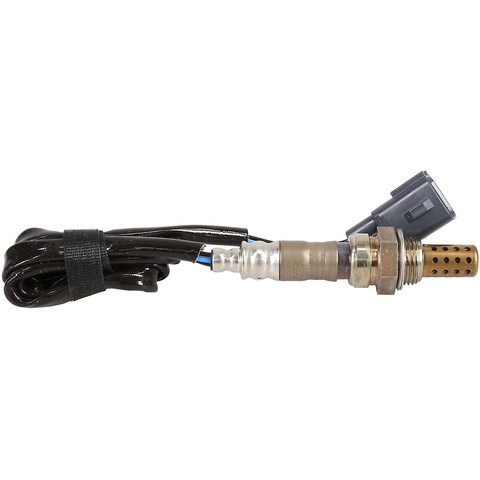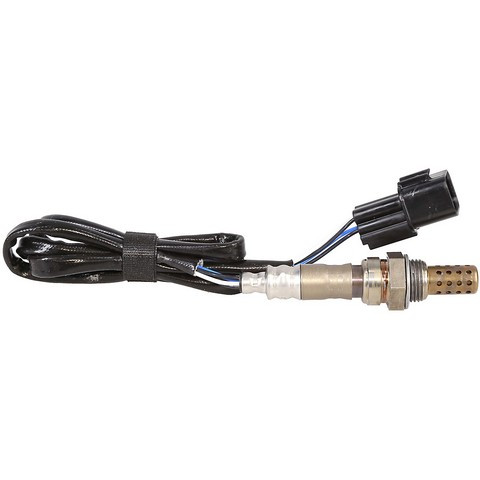
DENSO Auto Parts Oxygen Sensor P/N:234-4026
DENSO Auto Parts 234-4543 front oxygen sensor for the 2010-2014 Acura TL V6 3.7L measures the oxygen in the exhaust and reports it to the engine computer. The DENSO Auto Parts oxygen sensor is manufactured and tested to OE standards and made for an exact, first-time fit.
A check engine light, a rough idle or poorer fuel economy can point to a worn sensor. An exhaust leak, a vacuum leak or a misfire from worn spark plugs can be behind those signs too, so find the cause before buying.
This is a direct-fit replacement for the 2010-2014 Acura TL V6 3.7L, which takes one. The listing is a single sensor.
Fit and size
Build and materials
Product information is for general reference and may contain errors. See our Disclaimer.
This part cross-references / interchanges with the following part numbers:
Does the DENSO 234-4543 oxygen sensor fit the 2010-2014 Acura TL V6 3.7L?
Yes. DENSO Auto Parts 234-4543 is a downstream front oxygen sensor for the 2010-2014 Acura TL V6 3.7L, and that engine takes one.
How long is the wiring harness on this DENSO 4-wire oxygen sensor?
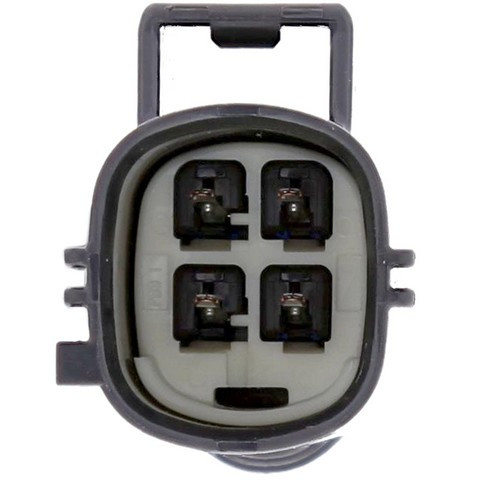
The wiring harness is 14.37 inches long, with four wires and a female connector. The sensor threads in with a 0.708 inch thread diameter.
Is the 234-4543 a heated narrow-band sensor?
Yes. DENSO 234-4543 is a heated, narrow-band oxygen sensor with a threaded mount.
What signs can show a downstream oxygen sensor is wearing out?
A check engine light, a rough idle or poorer fuel economy can be signs. Testing the sensor with the engine running is a job for a shop.
What does the aluminum oxide trap layer in this DENSO sensor do?
It is DENSO's exclusive layer, designed to protect the ceramic element from silicone and lead poisoning. A PTFE filter also blocks contaminants.
No reviews yet — be the first to review this product.
Write a Review
WARNING: These products can expose you to chemicals including lead and phthalates, which are known to the State of California to cause cancer and birth defects or other reproductive harm. For more information go to www.P65Warnings.ca.gov.