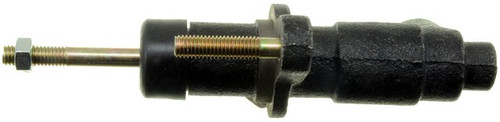
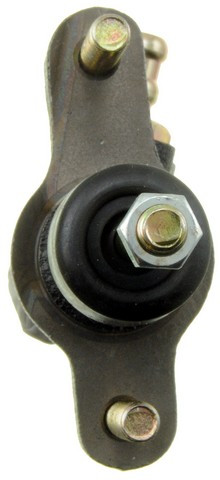
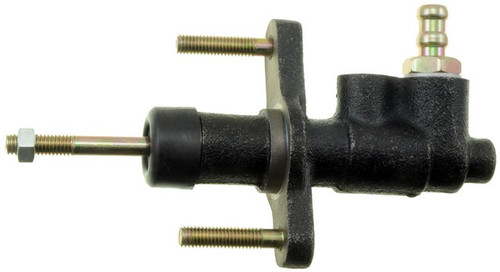
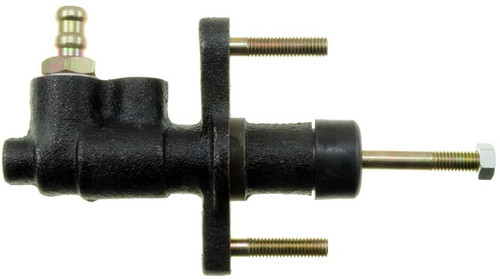
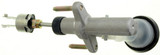
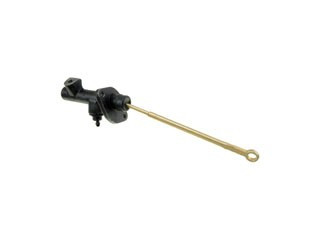
Bring hydraulic clutch actuation back to the 1987-1989 Toyota Tercel (L4-1.5L) with the Dorman - First Stop Clutch Master Cylinder CM39681. It generates the hydraulic pressure that disengages the clutch when you press the pedal, sending fluid on to the slave cylinder, and it drops in as a direct replacement built to match the original clutch master on the listed application.
- Direct replacement: reverse-engineered from the original equipment to fit and function like the factory clutch master on specific vehicles.
- Bore size: 0.625 in inside diameter.
- Durable materials: includes high-grade rubber components compatible with standard brake fluid.
- Standard Replacement grade; country of origin: Taiwan.
Signs the clutch master cylinder may need replacing include a soft or sinking clutch pedal, loss of clutch fluid, or trouble disengaging the clutch and shifting. Diagnose the cause first, since other hydraulic-clutch components can produce the same symptoms; if a failed clutch master cylinder is the cause, this unit replaces it.
Interchange: 18M2069 · CMT-058 · CMT058 · M1650 · 23-22500 · 2322500 · M903094 · Q-56500 · Q56500 · 072-8615 · 0728615 · 12252 · 136.44500 · CM113926 · CM1139261 · CM1204 · 39681 · CMA39681 · SH5029 · SH5031 · 3142010010 · 3142010012 · 3142010013 · CM120374 · F113926 · F120374. Manufacturer part number CM39681.
This part cross-references / interchanges with the following part numbers:
18M2069, CMT-058, M1650, 23-22500, M903094, Q-56500, 072-8615, 12252, 136.44500, CM113926, CM1139261, CM1204, 39681, SH5029, SH5031, 3142010010, 3142010012, 3142010013, CM120374, F113926, F120374