Gates HVAC Heater Hose P/N:18460
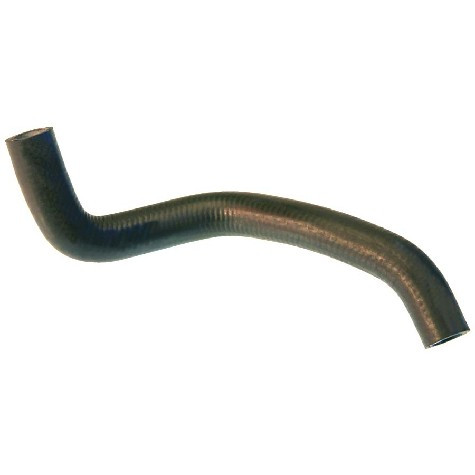
Gates 12578 heater hose for the 2013-2014 Hyundai Sonata 4-cylinder 2.0L and other vehicles carries engine coolant through the cooling system. Also listed as an HVAC heater hose, it goes in the oil cooler position.
Coolant seepage at the hose ends, a cracked, soft or swollen hose, or a falling coolant level can mean the hose is worn, though a loose clamp or the oil cooler connection can be behind the same signs. Look the hose over with the engine off and cool before you replace it.
This Gates molded heater hose fits the 2013-2014 Hyundai Sonata 4-cylinder 2.0L, the 2011-2015 Kia Optima 4-cylinder 2.0L, the 2011 Kia Sportage 4-cylinder 2.4L and the 2011-2015 Sportage 4-cylinder 2.0L, and each car takes one.
Fit and size
Build and materials
Interchange: F11935 · 13578
Product information is for general reference and may contain errors. See our Disclaimer.
This part cross-references / interchanges with the following part numbers:
Is the Gates 12578 heater hose right for the 2011-2015 Kia Optima 4-cylinder 2.0L?
Yes. Gates 12578 fits the 2011-2015 Kia Optima 4-cylinder 2.0L, and that application takes one hose.
Is this Gates heater hose approved for marine use?
Yes. Gates 12578 is approved for marine applications, in addition to coolant, water and air applications.
What are the inside diameters and length of this heater hose?
End 1 measures 0.6 in (15 mm) inside diameter and end 2 measures 0.66 in (17 mm). The centerline length is 8.5 in (216 mm).
How can I spot a worn heater hose by eye?
With the engine off and cool, look for cracks, a soft or swollen section, or coolant residue at the ends. A shop can pressure-test the cooling system if you see any of these.
Can I reuse the old clamps when I install the Gates 12578?
No. Hose clamps should be replaced each time a new coolant hose goes on, so plan on new clamps with the Gates 12578.
No reviews yet — be the first to review this product.
Write a Review
WARNING: These products can expose you to chemicals including lead and phthalates, which are known to the State of California to cause cancer and birth defects or other reproductive harm. For more information go to www.P65Warnings.ca.gov.