Gates Serpentine Belt P/N:DK071135
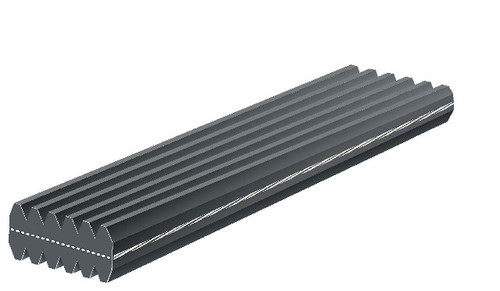
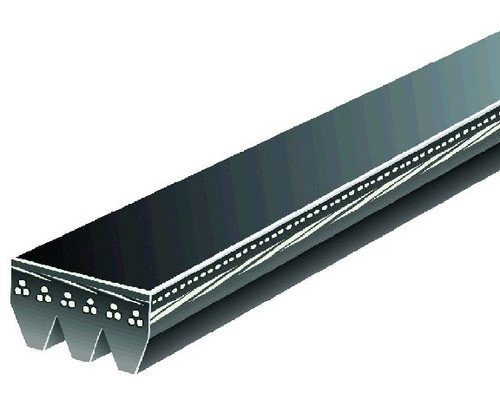
Gates K030220 serpentine belt for the 1989-1992 Daihatsu Charade 4-cylinder 1.3L drives the engine's belt-driven accessories from one ribbed loop. It is one of the Gates ribbed belts in the Micro-V line and runs from the water pump to the power steering.
Cracked or frayed ribs, a squeal, or a belt that slips can mean the belt is worn. Before you replace the belt, rule out a seized pulley or a misaligned accessory, since either can wear a new belt too.
This belt is a direct-fit replacement for the 1989-1992 Daihatsu Charade 4-cylinder 1.3L (L4-1.3L), which takes one belt. Its size, construction and materials match the original equipment, and it meets or exceeds the original manufacturer's specifications.
Fit and size
Build and materials
Product information is for general reference and may contain errors. See our Disclaimer.
Does this Gates K030220 belt fit the 1989-1992 Daihatsu Charade 4-cylinder 1.3L?
Yes. Gates K030220 is a direct-fit serpentine belt for the 1989-1992 Daihatsu Charade 4-cylinder 1.3L (L4-1.3L), and that engine takes one belt.
What are the length and rib count of Gates serpentine belts such as the K030220?
Gates K030220 has an effective length of 562 mm (22.11 in), an outside circumference of 576 mm (22.68 in), a K cross section and 3 ribs.
Are Gates drive belts like the K030220 made of rubber?
Yes. Gates K030220 is made of EPDM rubber with a polyester cord, and the EPDM resists cracking on the rib surface.
How can I tell if a ribbed belt like this one is worn?
With the engine off and cool, look at the ribs for cracks or fraying. A squeal or a slipping belt while driving can also point to wear, and a shop can test the pulleys.
Which accessories does this serpentine belt run between?
Gates K030220 is listed for the water pump to power steering position, so it is the belt that runs between those two drives.
No reviews yet — be the first to review this product.
Write a Review
WARNING: These products can expose you to chemicals including lead and phthalates, which are known to the State of California to cause cancer and birth defects or other reproductive harm. For more information go to www.P65Warnings.ca.gov.