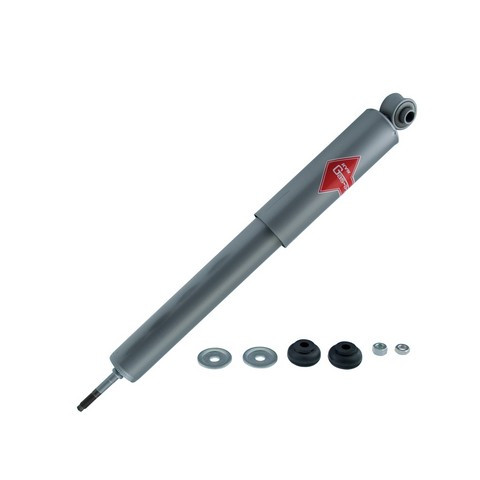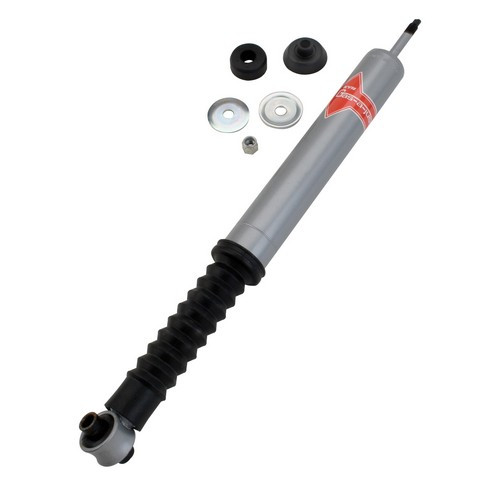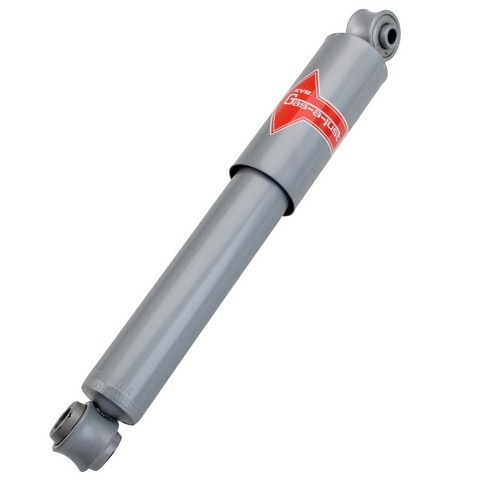
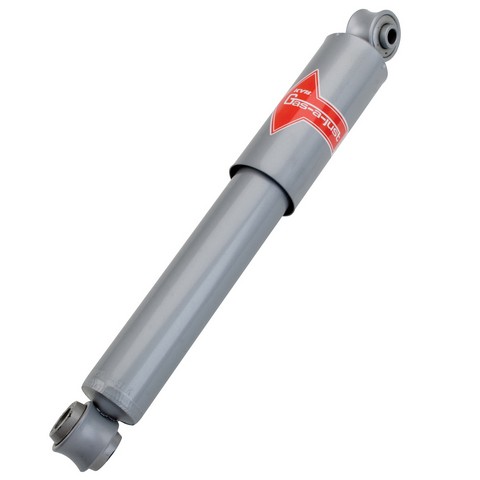
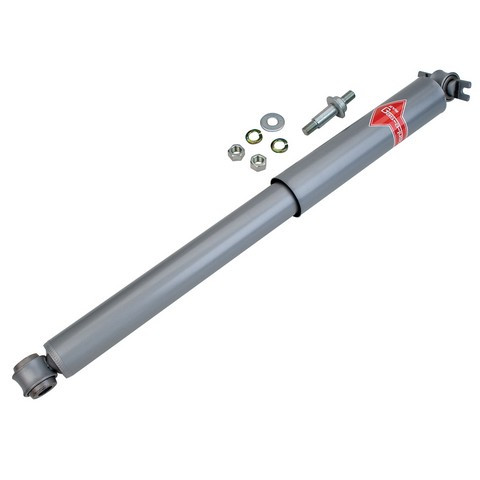
KYB Suspension Shock Absorber P/N:KG5501

Be the first to review this product
$65.99
MPN: KG5501
UPC: 781552055013
Item Package Quantity: 1
Adding to cart… The item has been added

Have questions?

KYB Suspension Shock Absorber P/N:KG5501
$65.99

Firm up rear damping on your classic Corvette with the KYB Gas-a-just High Pressure Monotube Gas Shock (MPN KG5501). This is a rear-position shock absorber that drops in as a direct-fit replacement for the 1963-1982 Chevrolet Corvette. The monotube design separates the nitrogen gas and hydraulic oil into two working chambers, so it resists fade due to aeration and responds quickly under load.

  • Monotube gas design: An air-free hydraulic piston-and-valve area handles responsiveness and control, while a high-pressure nitrogen chamber with a floating piston helps deliver a comfortable ride during normal driving and adds damping on demand.
  • Application-tuned: Components and valving designed specifically for the Corvette, with additional damping over the OE design for vehicles that work, tow, or run larger, heavier tires and wheels.
  • Adds up to 25% more damping performance over original-equipment shocks, per KYB.
  • Triple chrome-plated piston rod: An ultra-smooth rod helps reduce seal wear, since fluid leaking can be a cause of shock failure.

The higher gas pressure is designed to respond quickly to help improve steering response, and KYB notes the Gas-a-just helps keep Electronic Safety Systems performing as intended.

Interchange: 69622 · 5850

This part cross-references / interchanges with the following part numbers:

69622, 5850

Frequently Asked Questions

What vehicle does this KYB KG5501 shock fit?

It's a direct-fit rear shock absorber for the 1963-1982 Chevrolet Corvette. See the Buyer's Guide tab to confirm your exact year and configuration.

Is this a front or rear shock?

It is cataloged for the rear position on the listed Corvette applications.

What is a monotube gas shock?

It uses a single tube that separates high-pressure nitrogen gas from the hydraulic oil, which helps resist fade from aeration and supports quick response under load.

What are signs this shock may need replacing?

Fluid leaking from the shock, excessive bounce, or reduced ride control can be signs a shock may need replacement. Diagnose the cause before replacing.

Does it come as a pair?

This listing is for one shock. For balanced handling, it's best practice to replace shocks in matched pairs across the same axle.