
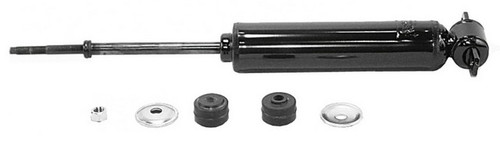
Monroe Shocks & Struts Suspension Shock Absorber P/N:911549
Monroe OESpectrum 911549 Front Suspension Shock Absorber for Jeep Wrangler
$76.99



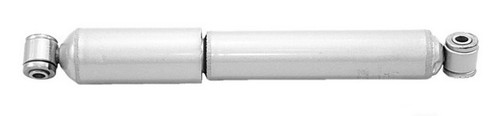
Keep your truck's rear suspension planted and composed with the Monroe Gas-Magnum Shock Absorber 34515, a rear-position damper built for hardworking full-size trucks. It drops in as a direct-fit replacement for the 2002-2008 Dodge Ram 1500 (see the Buyer's Guide tab for engine-level fitment). Gas-Magnum shocks are designed for midsize and full-size trucks and vans, delivering firm control without a harsh ride, and carry up to twice the fluid capacity of standard 1-inch bore shocks so they work more efficiently with less effort.
A larger bore and bigger 2-inch reserve tube hold more oil for greater capacity and controlled damping. Backed by Monroe's Limited Lifetime Warranty and Feel the Difference Guarantee. Sold individually; replacing both rear shocks together is recommended for balanced control.
What vehicle does the Monroe 34515 fit?
It is a direct-fit rear shock absorber for the 2002-2008 Dodge Ram 1500. Check the Buyer's Guide tab to confirm engine-level fitment for your specific truck.
Is this a front or rear shock?
The 34515 is a rear-position suspension shock absorber for the 2002-2008 Dodge Ram 1500.
How is the Gas-Magnum different from a standard shock?
It uses a larger bore and a 2-inch reserve tube to hold more oil, offering up to twice the fluid capacity of standard 1-inch bore shocks for more efficient operation.
What does the nitrogen gas charge do?
The nitrogen gas-charge helps maintain tire-to-road contact by reducing aeration and shock fade during operation.
Do I need to replace both rear shocks?
This listing is for one shock. Replacing both rear shocks together as a matched pair is recommended for balanced, even ride control.

WARNING: These products can expose you to chemicals including lead and phthalates, which are known to the State of California to cause cancer and birth defects or other reproductive harm. For more information go to www.P65Warnings.ca.gov.

