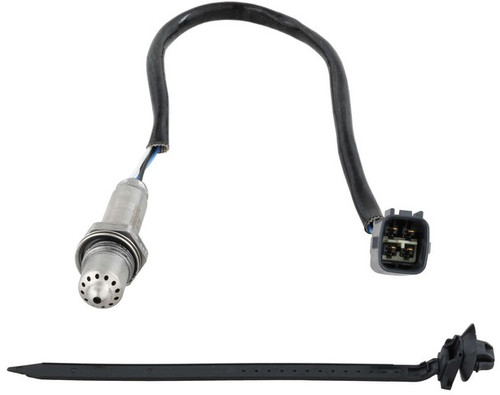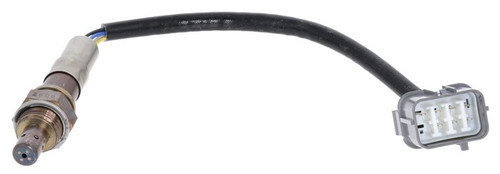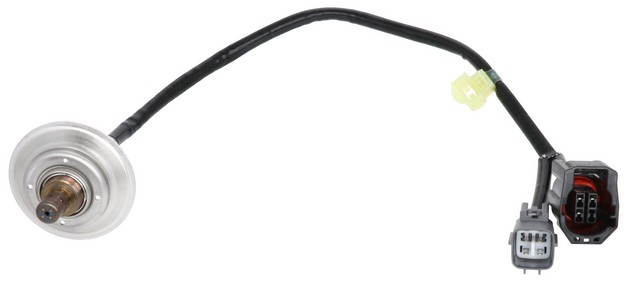
NTK Air / Fuel Ratio Sensor P/N:27018
NTK 24363 air / fuel ratio sensor for the 2010-2012 Mazda CX-7 4-cylinder 2.5L measures the engine's air-fuel ratio and reports it to the ECU. This NTK air fuel ratio sensor is a 5-wire wide-band unit updated with the latest OE technologies to reduce OE failures.
A check engine light, poorer fuel economy or a rough idle can come from a worn air / fuel ratio sensor. Exhaust leaks, vacuum leaks, worn spark plugs or a dirty mass airflow sensor can be behind these signs too, so find the cause before buying a sensor.
This is a direct-fit replacement for the 2010-2012 Mazda CX-7 4-cylinder 2.5L, which takes one sensor. This listing is one sensor.
Fit and size
Build and materials
One air / fuel ratio sensor. A mounting bracket is not included.
Product information is for general reference and may contain errors. See our Disclaimer.
Is the NTK 24363 the right air fuel ratio sensor for a 2010-2012 Mazda CX-7 4-cylinder 2.5L?
Yes. NTK 24363 fits the 2010-2012 Mazda CX-7 4-cylinder 2.5L, and that vehicle takes one sensor.
What thread size does this wide-band air / fuel ratio sensor have?
The thread is M18 - 1.5, metric. The wiring harness is 19.50 in long and the sensor has 5 wires.
Is a mounting bracket included with the NTK 24363 sensor?
No, the NTK 24363 does not include a mounting bracket. It comes with a water-resistant connector and harness accessory hardware.
How is a wide-band air / fuel ratio sensor different from a regular oxygen sensor?
A conventional oxygen sensor only switches between rich and lean. A wide-band sensor gives a linear signal, so the ECU can tell exactly how rich or lean the engine is running.
Is the NTK 24363 a heated sensor?
Yes. The NTK 24363 is a heated, 5-wire, wide-band air / fuel ratio sensor.
No reviews yet — be the first to review this product.
Write a Review
WARNING: These products can expose you to chemicals including lead and phthalates, which are known to the State of California to cause cancer and birth defects or other reproductive harm. For more information go to www.P65Warnings.ca.gov.