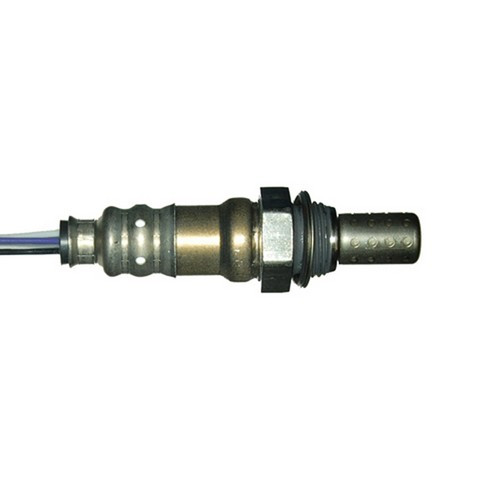
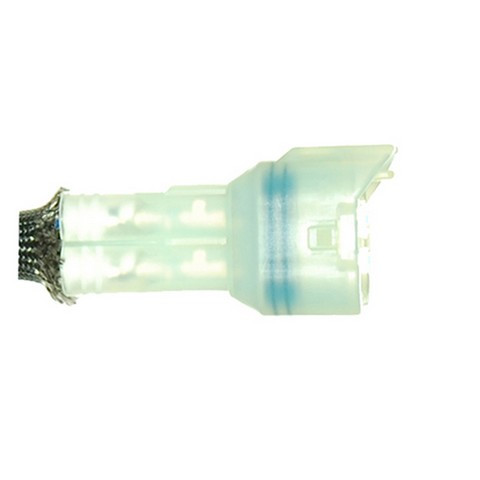
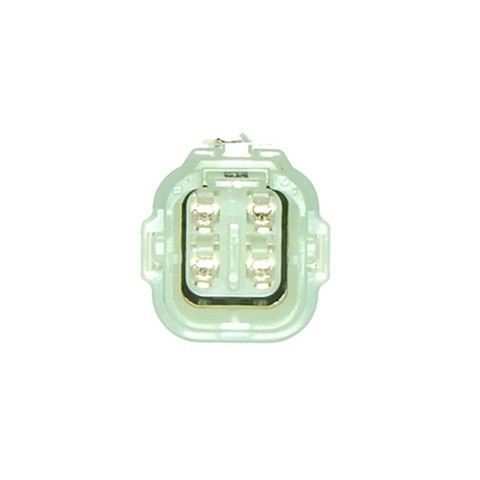
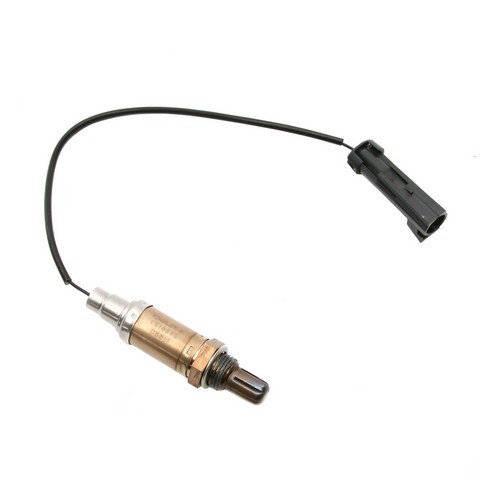
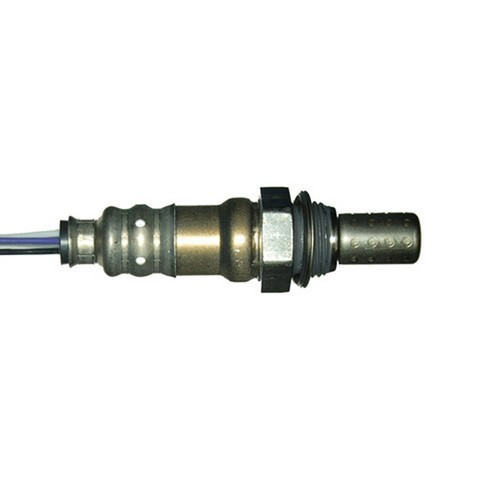
Delphi ES20073 rear oxygen sensor for the 1998-2000 Chevrolet Tracker 4-cylinder 1.6L, the 1999-2001 Tracker 4-cylinder 2.0L and other vehicles senses the oxygen in the exhaust and reports it to the engine computer. Like every Delphi oxygen sensor, it is built to Delphi's OE standards.
- Delphi planar technology covers older, conical-design sensors
- Smart design consolidates SKUs without using long wires
- Patented protective sensor coating helps prevent contamination
- Validated for all fuel types, including ethanol blends like E85
- Tested to 150,000 miles, plus 2,000 hours of severe thermal testing
Quick facts
- Part: Delphi ES20073 oxygen sensor
- Fits: the 1998-2000 Chevrolet Tracker 4-cylinder 1.6L, the 1999-2001 Tracker 4-cylinder 2.0L and other vehicles
- Position: Rear
- Condition: New
A worn oxygen sensor can show up as a check engine light, rough running or poorer fuel economy. Exhaust leaks and damaged wiring can also set an oxygen sensor fault code, so with the engine off and cool, look over the connector and wire for damage before you replace the sensor.
Fits
The 1998-2000 Chevrolet Tracker 4-cylinder 1.6L, the 1999-2001 Tracker 4-cylinder 2.0L, the 1999-2000 Suzuki Vitara 4-cylinder 1.6L or 2.0L and the 1996-1998 Suzuki Sidekick 4-cylinder 1.6L all fit this sensor at one per vehicle, and so do other vehicles. This listing is a single sensor. Open the "Vehicles it fits" section to check your exact model and engine.
Specifications
Fit and size
- Position: Rear
- Quantity per vehicle: 1
Build and materials
- Technology: Delphi planar
- Coating: patented protective sensor coating
- Condition: New
In the box
One oxygen sensor and one instruction sheet.
Interchange: 234-4649 · 138-549 · 18213-58B40 · 18213-58B41
2131362 · 2133910 · 213412 · OS2251 · OS826 · 13035 · 30017453 · 30028571 · 21509 · 21527 · REA1027 · SG1418 · SG416 · 25024189 · 25024335 · 25024338 · SU1220
This part cross-references / interchanges with the following part numbers:
2131362, 2133910, 213412, OS2251, OS826, 13035, 234-4649, 30017453, 30028571, 138-549, 21509, 21527, REA1027, SG1418, SG416, 18213-58B40, 18213-58B41, 25024189, 25024335, 25024338, SU1220
Frequently Asked Questions
Is this the right Vitara oxygen sensor for a 1999-2000 Suzuki Vitara 4-cylinder 1.6L or 2.0L?
Yes. The Delphi ES20073 rear oxygen sensor is listed for the 1999-2000 Suzuki Vitara with either the 4-cylinder 1.6L or the 2.0L engine, one sensor per vehicle.
Does the Delphi ES20073 come with an instruction sheet?
Yes. The Delphi ES20073 comes with one oxygen sensor and one instruction sheet.
Are Delphi O2 sensors okay to use with E85 ethanol blends?
Yes. This rear oxygen sensor is validated for all fuel types, including ethanol blends like E85.
How far is this rear oxygen sensor tested?
It is tested to 150,000 miles, plus 2,000 hours of severe thermal testing. A patented protective coating on the sensor helps prevent contamination.
How would I know this rear oxygen sensor is going bad?
A check engine light, rough running or poorer fuel economy can be signs, though other faults can show the same. A shop can read the code and test the sensor with the engine running.