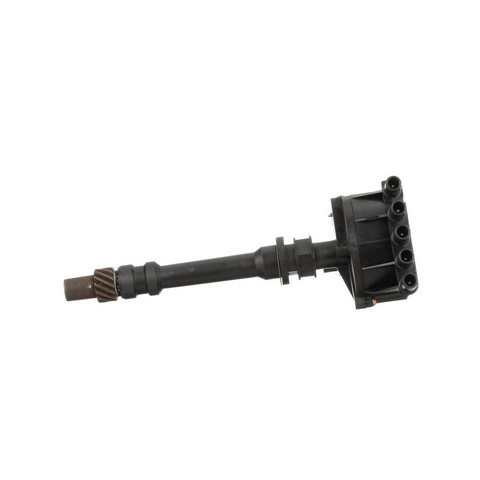
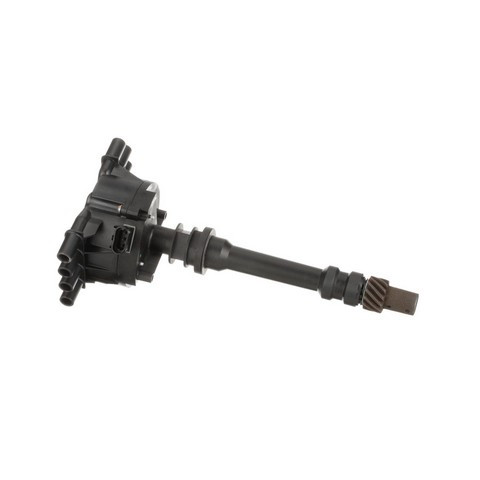
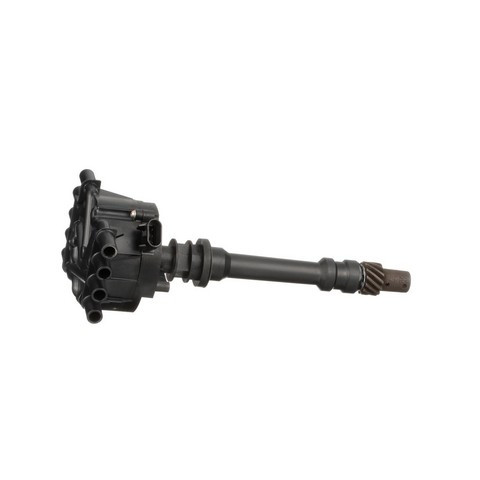
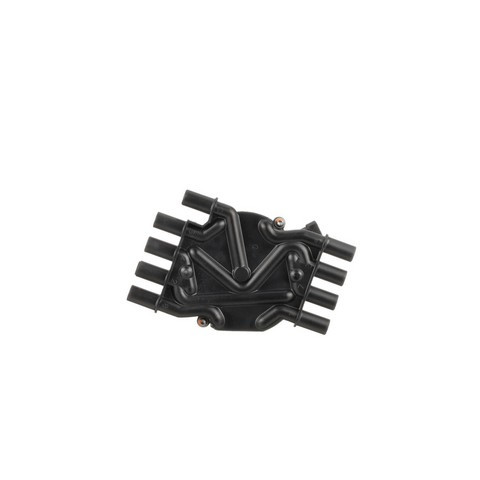
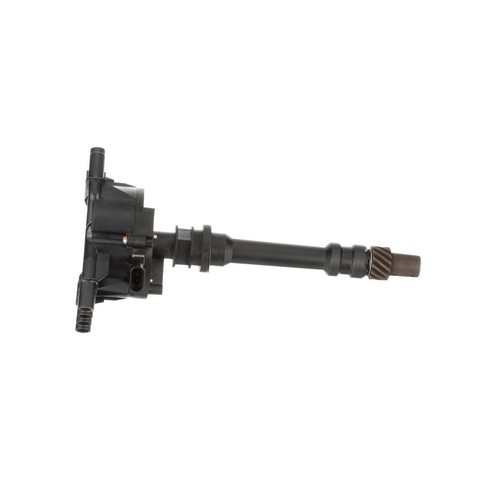
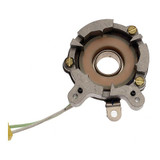
Standard Ignition DSA100 distributor for the 1996-1998 Chevrolet C1500 V8 5.0L or 5.7L and other vehicles routes ignition spark to each cylinder in firing order. It is a new distributor assembly.
- High dielectric strength cap for accurate energy transfer and spark timing
- Improved gear design for high-torque applications
- SAE J1171 Marine certified
- 100% new distributor assembly
Quick facts
- Part: Standard Ignition DSA100 distributor
- Fits: the 1996-1998 Chevrolet C1500 V8 5.0L or 5.7L and other vehicles
- Condition: New
A worn distributor can show up as hard starting, a misfire or rough running. Before you replace the distributor, rule out the spark plugs, plug wires and ignition coil, because a fault in any of them can look much the same.
Fits
The 1996-1998 Chevrolet C1500 V8 5.0L or 5.7L, the 1996-1998 Chevrolet K1500 V8 5.0L or 5.7L and the 1996-2002 Chevrolet Express 1500 V8 5.0L or 5.7L all take this distributor, as do other vehicles. If your own year, model and engine are not named here, look for them in the "Vehicles it fits" section.
Specifications
- Quantity per vehicle: 1
- Type: distributor assembly
- Cap: high dielectric strength
- Condition: New
- Marine certification: SAE J1171
- Country of origin: United States
In the box
This listing holds a single distributor assembly, and a vehicle needs just one.
Product information is for general reference and may contain errors. See our Disclaimer.
Frequently Asked Questions
Is the Standard Ignition DSA100 the right C1500 distributor for a 1996-1998 Chevrolet C1500 V8 5.0L or 5.7L?
Yes. Standard Ignition DSA100 fits the 1996-1998 Chevrolet C1500 with the V8 5.0L or 5.7L engine. Other vehicles are covered too; look for yours in the "Vehicles it fits" section.
Does the DSA100 distributor carry a marine certification?
Yes. Standard Ignition DSA100 is SAE J1171 Marine certified.
Is this distributor made for high-torque use?
Yes. This distributor has an improved gear design intended for high-torque applications.
Is the DSA100 sold as an assembly or as separate pieces?
Standard Ignition DSA100 is sold as one distributor assembly per listing. A vehicle needs only one.
How can I tell if my distributor cap is worn?
With the engine off and cool, look at the cap for cracks, carbon tracking or corrosion. Hard starting, a misfire or rough running have several possible causes, and the distributor is one of them.