Standard Ignition Exhaust Gas Temperature (EGT) Sensor P/N:ETS232
Standard Motor Products
Standard Ignition ETS197 front exhaust gas temperature (egt) sensor for the 2009 Mercedes-Benz GL320 V6 3.0L and other vehicles measures how hot the exhaust gas is. Each sensor is a direct-fit OE replacement made for ease of installation.
A warning light or an odd exhaust temperature reading can be a sign of a worn sensor. Those signs alone do not prove the sensor is at fault, since a damaged wiring connector can give similar readings.
It fits the 2009 Mercedes-Benz GL320 V6 3.0L and the 2009 Mercedes-Benz ML320 V6 3.0L. This listing is one sensor, and the front position on both of these cars calls for one.
Fit and size
Build and materials
Interchange: EGR538 · EGTA53 · EXT807 · 0071537628
Product information is for general reference and may contain errors. See our Disclaimer.
This part cross-references / interchanges with the following part numbers:
Does the Standard Ignition ETS197 fit the 2009 Mercedes-Benz GL320 V6 3.0L?
Yes. Standard Ignition ETS197 is a front sensor made for the 2009 Mercedes-Benz GL320 V6 3.0L, and the 2009 Mercedes-Benz ML320 V6 3.0L takes it too.
How much heat can this exhaust gas temperature sensor handle?
It is designed and manufactured to withstand extreme vibration and heat up to 2300 degrees F (1300 degrees C).
What kind of connector does the ETS197 exhaust gas temperature sensor have?
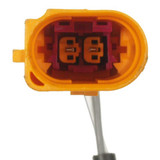
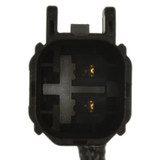
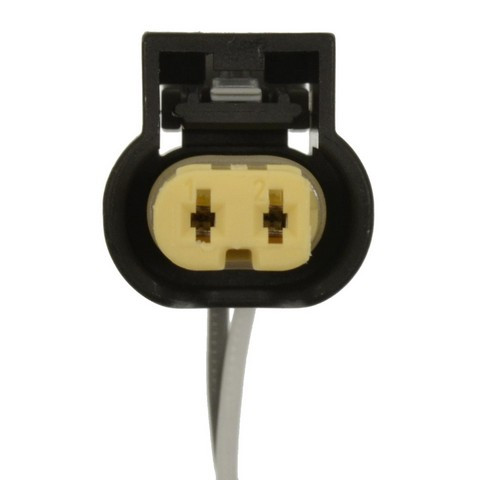
Standard Ignition ETS197 has one oval, female plug-in connector with two female blade terminals.
How can I tell if my front exhaust gas temperature sensor is going bad?
A warning light or odd exhaust temperature readings can be signs. The sensor sits in the exhaust, so a shop is the right place to test it.
Does the ETS197 replace EGTA53?
Yes. EGTA53 is listed as an interchange number for Standard Ignition ETS197, along with EGR538, EXT807 and 0071537628.
No reviews yet — be the first to review this product.
Write a Review
WARNING: These products can expose you to chemicals including lead and phthalates, which are known to the State of California to cause cancer and birth defects or other reproductive harm. For more information go to www.P65Warnings.ca.gov.