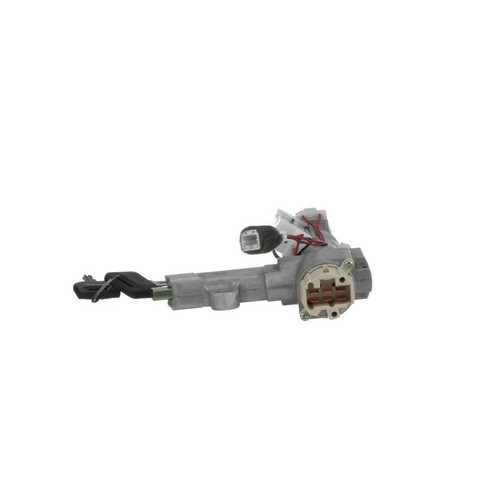
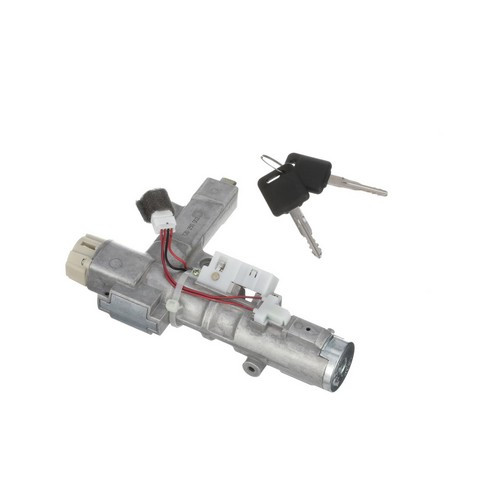
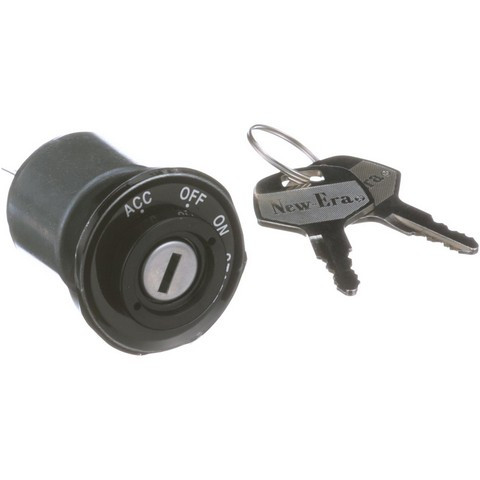
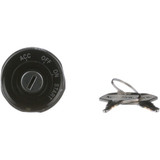
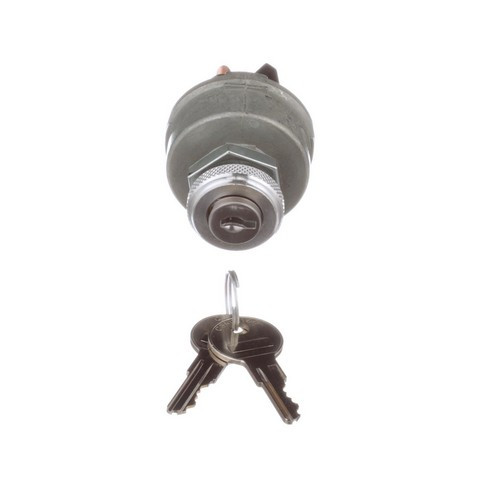
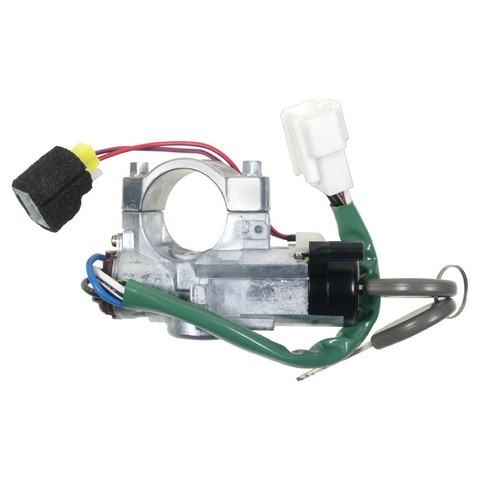
Standard Ignition US-677 ignition lock and cylinder switch for the 2004-2006 Nissan Maxima lets the key switch the ignition circuits on and off. The switch and the keyed cylinder come together as one kit.
- Copper alloy conductors with low resistive losses
- 100% tested for mechanical and electrical switching performance
- Coded lock cylinder
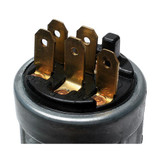
- Six male blade terminals and one female connector
Quick facts
- Part: Standard Ignition US-677 ignition lock and cylinder switch
- Fits: 2004-2006 Nissan Maxima
- Condition: New
A key that sticks, turns hard or will not release, or an engine that cranks only now and then, can mean the cylinder or switch is wearing out. A weak battery, corroded battery terminals or a failing starter can be behind these signs too, so work out what is causing them before you buy a new switch.
Fits
This is a direct-fit replacement for the 2004-2006 Nissan Maxima, which takes one.
Specifications
Fit and size
- Mounting location: column
- Quantity per vehicle: 1
Build and materials
- Contents: complete kit
- Finish: aluminum and plastic
- Condition: new
- Country of origin: Taiwan
In the box
One ignition lock and cylinder switch with its two keys, a mounting bracket and hardware.
Installation notes
- Instructions come with the kit; follow them for the installation steps.
Interchange: CS1037 · LS1460 · KS7033 · LA1531 · D87008J000 · D87008J025 · D87008J027
Product information is for general reference and may contain errors. See our Disclaimer.
This part cross-references / interchanges with the following part numbers:
CS1037, LS1460, KS7033, LA1531, D87008J000, D87008J025, D87008J027, US-677
Frequently Asked Questions
Is the Standard Ignition US-677 ignition lock and cylinder switch right for the 2004-2006 Nissan Maxima?
Yes. Standard Ignition US-677 is a direct-fit replacement for the 2004-2006 Nissan Maxima, which takes one.
Does this ignition lock and cylinder switch come with keys?
Yes. Standard Ignition US-677 comes with two keys, plus a mounting bracket, hardware and instructions.
How many terminals does this ignition switch have?
This ignition lock and cylinder switch has six male blade terminals and one female connector.
Why does my key stick or turn hard in the ignition lock cylinder?
A key that sticks, turns hard or will not release can mean the cylinder is worn. A shop can test the switch side to confirm.
Are the conductors in this ignition switch copper?
Yes. The conductors are a copper alloy, and each switch is 100% tested for mechanical and electrical switching performance.