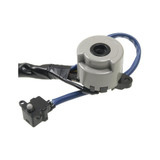
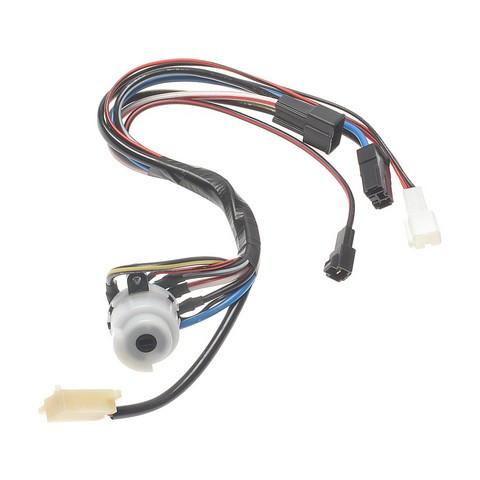
Designed to send power through your ignition and starter circuits with every turn of the key, the Standard Ignition switch US-993 is an ignition starter switch made to OE spec for proper fit, form and function. It installs as a direct-fit replacement for the 2011-2012 Hyundai Sonata and takes the place of a damaged original unit. See the Buyer's Guide tab for application details.
The ignition switch is the electrical side of the key system. As the key turns, it directs power to the ignition, accessory, and starter circuits. Standard Ignition builds each unit as an electrically operated switch intended to return ignition function when the original switch has failed.
- Made to OE spec: Built to match the original switch's fit, form and function.
- Direct-fit replacement: An electrically operated switch that replaces a damaged OE unit.
- Performance tested: Each ignition switch is checked for both mechanical and electrical switching performance.
- Robust design: Uses high-grade materials to meet the demands of today's service professional.
Signs this Sonata switch may need replacing include a no-crank or intermittent-crank condition, stalling while driving, or accessories and dash lights cutting out. These symptoms can have other causes, so diagnose the circuit before you replace the switch.
Interchange: CS1353 · LS1694 · KS7353 · 819103Q100 · LA10111
This part cross-references / interchanges with the following part numbers:
CS1353, LS1694, KS7353, 819103Q100, LA10111, US-993