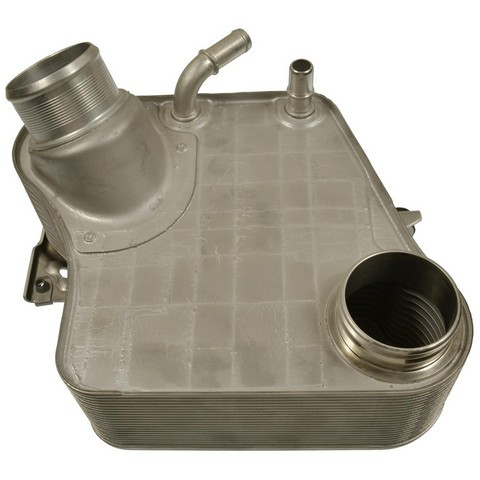
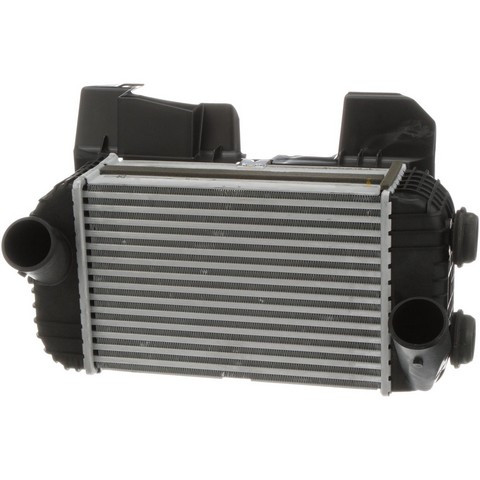
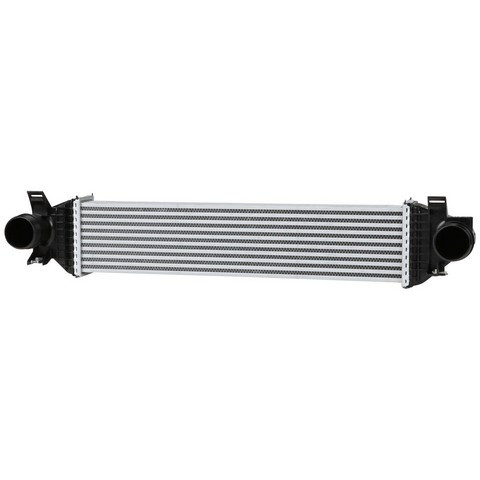
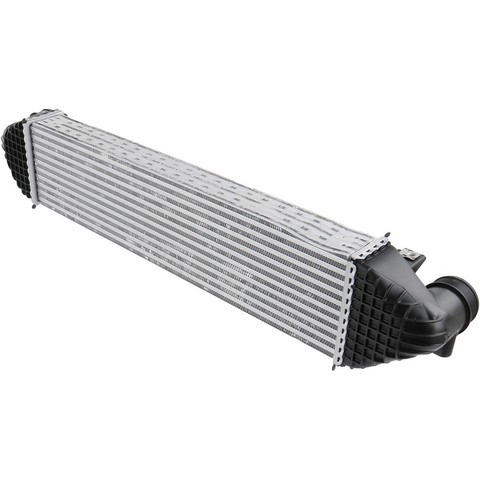
Standard Ignition CAC1 intercooler for the 2011-2016 Ford F-250 Super Duty V8 6.7L and other vehicles cools the compressed intake air on its way to the engine. Also known as a charge air cooler, it is extensively tested to OE specifications for performance and long service life.
- Quality control maintained throughout the manufacturing process
- Designed for flexibility and easy installation
- Tested and engineered to resist degradation from high temperatures, oil vapors and under-hood contaminants
- Two ports and four hose connectors
Quick facts
- Part: Standard Ignition CAC1 intercooler
- Fits: 2011-2016 Ford F-250 Super Duty V8 6.7L and other vehicles
- Condition: New
A leaking or worn intercooler can show up as oil residue around the connectors, visible damage to the core or reduced power. Those signs have several possible sources, so with the engine off and cool, look over the cooler, its four hose connections and the hoses for cracks, splits or oil seepage before you replace it.
Fits
The 2011-2016 Ford F-350 Super Duty V8 6.7L and the 2011-2016 Ford F-450 Super Duty V8 6.7L take this direct-fit OE replacement as well, along with other vehicles. One intercooler goes on a 2011-2016 Ford F-350 Super Duty V8 6.7L. If your truck is not named here, open the "Vehicles it fits" section to check your exact model and engine.
Specifications
Fit and size
- Quantity per vehicle: 1
- Ports: 2
- Hose connectors: 4
Build and materials
- Condition: New
- Country of origin: China
Product information is for general reference and may contain errors. See our Disclaimer.
Frequently Asked Questions
Is this the right intercooler for a 2011-2016 Ford F-250 Super Duty V8 6.7L?
Yes. Standard Ignition CAC1 is listed for the 2011-2016 Ford F-250 Super Duty V8 6.7L, and the "Vehicles it fits" section on this page covers the other trucks.
How many ports and hose connectors does this intercooler have?
The Standard Ignition CAC1 has two ports and four hose connectors.
Can the CAC1 handle heat and oil vapors under the hood?
Yes. The Standard Ignition CAC1 is tested and engineered to resist degradation from high temperatures, oil vapors and under-hood contaminants.
Is a charge air cooler the same thing as this intercooler?
Yes. This listing is a charge air cooler, sold as one unit.
Where is the Standard Ignition CAC1 intercooler made?
Its country of origin is China.