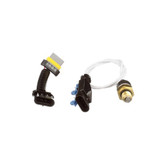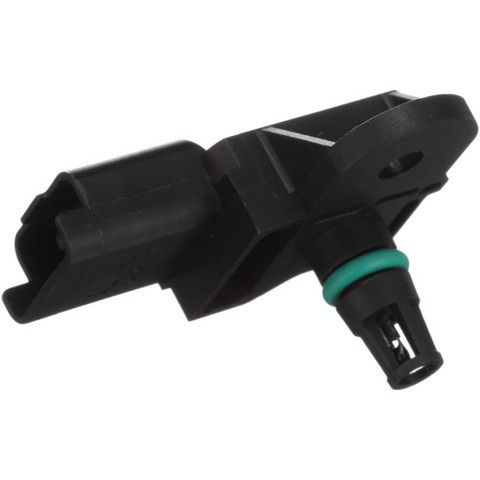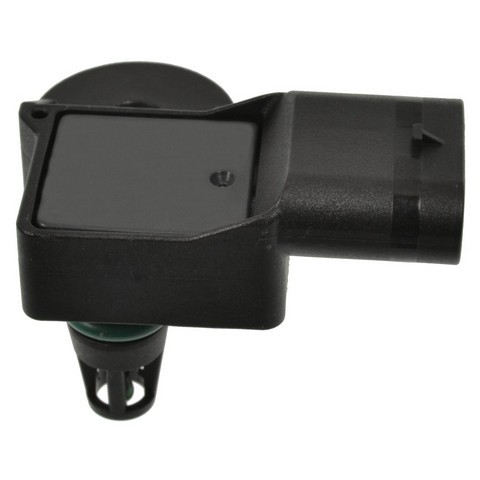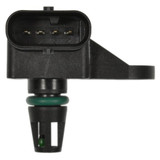
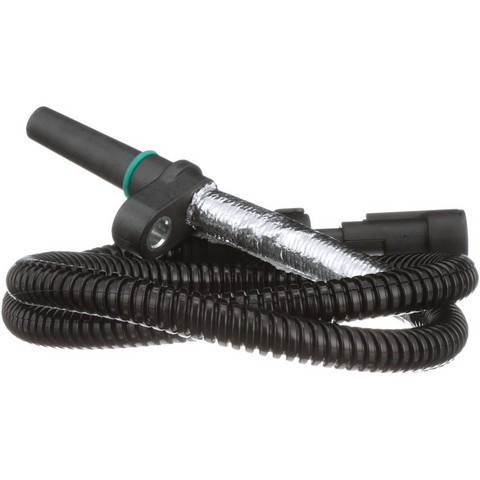
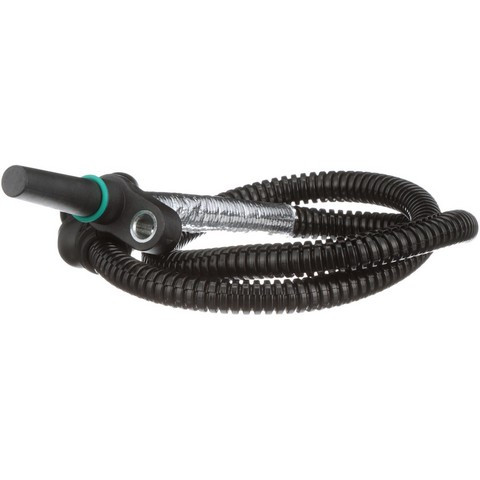
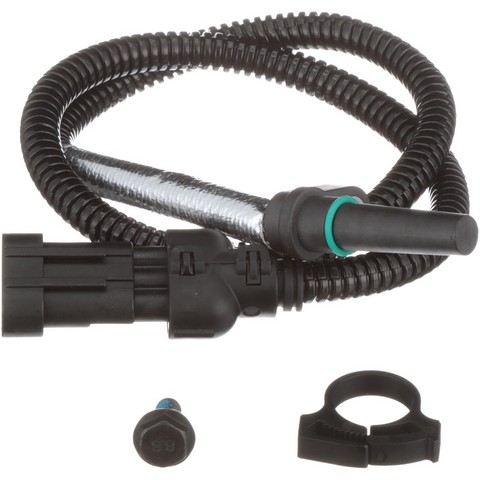
Standard Ignition Turbocharger Speed Sensor P/N:TSS2
Standard Motor Products
Standard Ignition TCBS1 turbocharger speed sensor for the 2011-2012 Ram 2500 6-cylinder 6.7L and other vehicles senses how fast the turbocharger spins.
A check engine light, a P0106 code or weak boost can mean the sensor is failing. Damaged wiring, a loose connector or a boost leak can also produce a light or weak boost, so track down the cause before you buy a sensor.
This direct-fit replacement, made for ease of installation, suits the 2007-2009 Dodge Ram 2500 6-cylinder 5.9L and the 2011-2012 Ram 3500 V8 5.7L or 6-cylinder 6.7L. If your truck is not one of these, find its year and engine in the "Vehicles it fits" section. This listing is one sensor, and the 2011-2012 Ram 2500 6-cylinder 6.7L takes one.
Fit and size
Build and materials
Product information is for general reference and may contain errors. See our Disclaimer.
Does the Standard Ignition TCBS1 fit the 2011-2012 Ram 2500 6-cylinder 6.7L?
Yes. The Standard Ignition TCBS1 is listed for the 2011-2012 Ram 2500 6-cylinder 6.7L. For other trucks and engines, look up your year in the "Vehicles it fits" section.
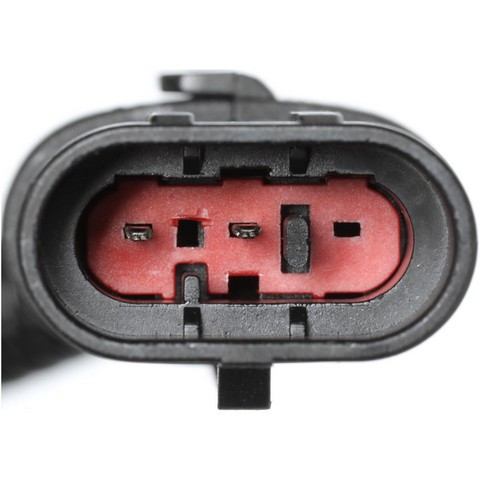
How many terminals does the Standard Ignition TCBS1 turbocharger speed sensor have?
The TCBS1 has two male terminals and a female connector.
What can a failing turbocharger speed sensor look like?
A check engine light, a P0106 code or weak boost can be signs of a failing sensor. A shop can test the sensor and its circuit.
Is the Standard Ignition TCBS1 meant to help with P0106 codes?
Yes. The TCBS1 is engineered to help clear P0106 trouble codes and reduce exhaust temperatures when the sensor is the cause.
Where is the Standard Ignition TCBS1 turbocharger speed sensor made?
The country of origin for the TCBS1 turbocharger speed sensor is China.
No reviews yet — be the first to review this product.
Write a Review
WARNING: These products can expose you to chemicals including lead and phthalates, which are known to the State of California to cause cancer and birth defects or other reproductive harm. For more information go to www.P65Warnings.ca.gov.