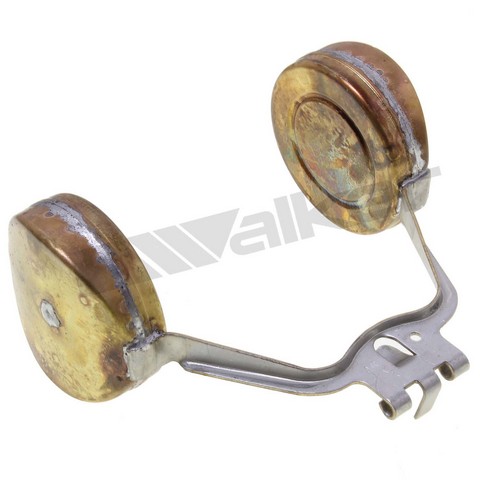
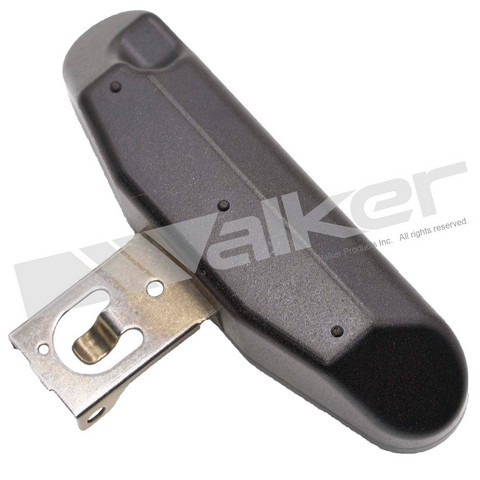
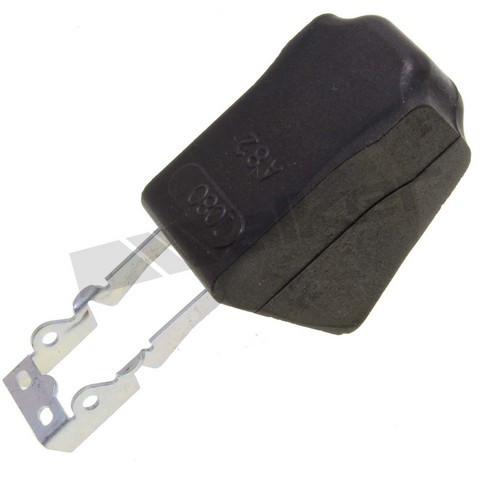
Keep the carburetor bowl at the right fuel level with the Walker Products Carburetor Float 100-1 (also written 1001), an OE-replacement float that helps maintain accurate fuel level for steadier starting, idling, and acceleration. It's a direct-fit replacement for these listed applications: 1946-1948 Pontiac Torpedo, 1946-1952 Pontiac Streamliner, 1949-1954 Pontiac Chieftain, 1950-1952 Chevrolet Styleline Deluxe, 1950-1953 Chevrolet Bel Air, 1950-1954 Pontiac Catalina, 1953 Chevrolet Corvette, 1954-1958 Chevrolet Truck, 1961-1962 Chevrolet K10 Pickup, and 1961-1962 Chevrolet K20 Pickup — see the Buyer's Guide tab for engine specifics.
- Maintains float height: Engineered to hold proper fuel level in the carburetor bowl for consistent metering.
- Material options: Offered in brass or Nitrophyl designs to match OE specification for the application.
- Resists absorption: Precision-molded or formed to resist swelling, sinking, and fuel absorption.
- Direct-fit design: OE-replacement fit intended for reliable sealing and float control.
If a saturated, leaking, or sunken float is the cause of flooding, hard starting, or an unstable idle, this float replaces the worn original. Nitrophyl versions are molded to resist fuel absorption, which is a common concern with modern ethanol-blended fuels. Helps restore consistent fuel control with an application-specific Walker Products float.