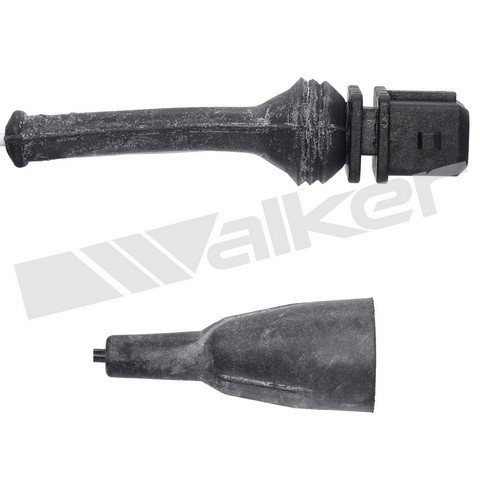
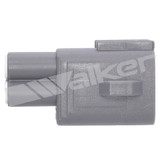
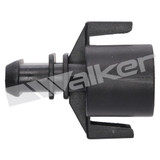
Walker Products 250-23048 oxygen sensor for the 1985-1989 Volkswagen Jetta 4-cylinder 1.8L, the 1990-1992 Jetta 4-cylinder 2.0L and other vehicles measures the oxygen in the exhaust gas to show how efficiently the engine burns fuel. This upstream sensor is a narrow-band, 3-W direct-fit unit.
- Made for its specific application and fitment position, with the diagnostic feedback the ECU needs
- Coating protects the electrode surfaces from contamination and erosion by combustion residue and particulates in the exhaust gases
- Measures oxygen levels to fine-tune the air-fuel mixture, which helps fuel economy
- Electrodes made of a gas-permeable platinum layer
- Monitors exhaust gases to help reduce pollutants
Quick facts
- Part: Walker Products 250-23048 oxygen sensor
- Fits: the 1985-1989 Volkswagen Jetta 4-cylinder 1.8L, the 1990-1992 Jetta 4-cylinder 2.0L and other vehicles
- Position: Upstream
- Condition: New
A failing sensor can show up as rough running, higher fuel consumption, more exhaust emissions or a lit malfunction indicator light. Before you replace it, rule out physical damage to the sensor's wiring harness and connector, since those signs can have other causes.
Fits
It is listed for a wide range of Volkswagen, Audi, Jaguar, Saab and Alfa Romeo models, including the 1990 Volkswagen Passat 4-cylinder 2.0L, and as a VW Golf oxygen sensor for the 1985-1989 Golf 4-cylinder 1.8L and the 1990-1992 Golf 4-cylinder 2.0L. This listing is one sensor; the 1990-1992 Jetta 4-cylinder 2.0L takes one.
Specifications
Fit and size
- Position: upstream
- Quantity per vehicle: 1
Build and materials
- Type: narrow-band
- Connection: 3-W direct fit
- Electrodes: gas-permeable platinum layer
- Coating: protects the electrode surfaces
- Condition: new