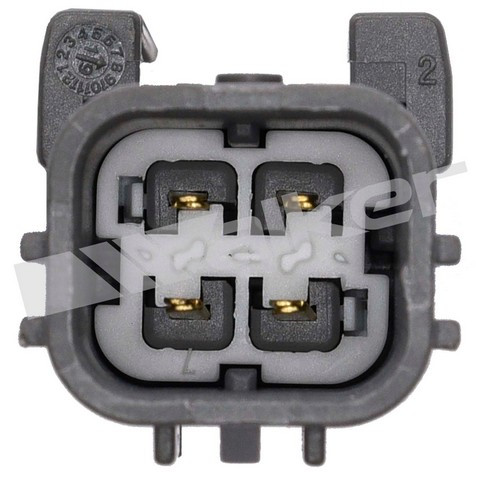
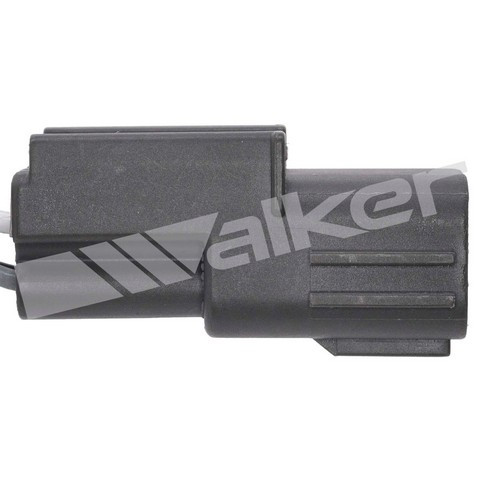
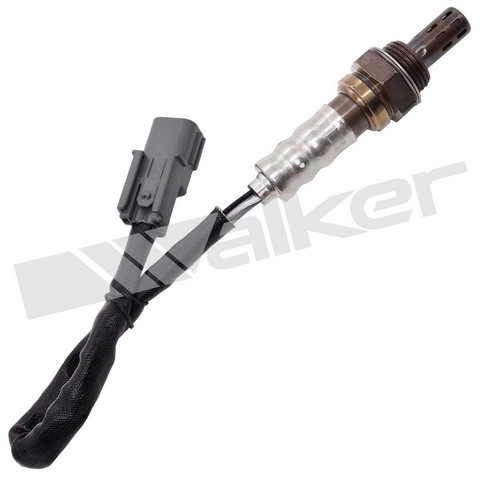
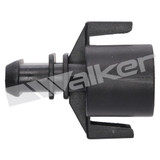
Walker Products 250-241277 oxygen sensor for the 2019-2026 Genesis G70 V6 3.3L and other vehicles measures the oxygen in the exhaust gas to show how efficiently the engine is burning fuel. It is a 4-wire, narrow-band, direct-fit design.
- Made for its specific application and fitment position, with the diagnostic feedback the ECU requires
- Measures oxygen levels to help fine-tune the air-fuel mixture and support fuel economy
- Electrodes with a gas-permeable platinum layer
- Monitors exhaust gases to help reduce pollutants
- Coating protects the electrode surfaces from contamination and erosion by combustion residue and particulates
Quick facts
- Part: Walker Products 250-241277 oxygen sensor
- Fits: 2019-2026 Genesis G70 V6 3.3L and other vehicles
- Position: Downstream, upstream left, downstream left, downstream right, upstream rear, downstream front, downstream rear
- Condition: New
A failing sensor can show up as rough running, higher fuel consumption, more exhaust emissions or a check engine light. Before you replace it, look over the sensor, wiring harness and connector for physical damage with the engine off and cool; if the sensor is the cause, this one replaces it.
Fits
This direct-fit sensor also goes on the 2018-2023 Kia Stinger V6 3.3L, the 2017-2022 Genesis G90 V6 3.3L and the 2022 G90 V8 5.0L. The number needed depends on model year and engine; the 2018-2023 Kia Stinger V6 3.3L takes one, and this listing is one sensor. Driving something else? Run your own year, model and engine through the Buyer's Guide tab.
Specifications
Fit and size
- Position: downstream, upstream left, downstream left, downstream right, upstream rear, downstream front, downstream rear
- Quantity per vehicle: varies by model year and engine
- Wires: 4
Build and materials
- Type: narrow-band, direct fit
- Condition: New