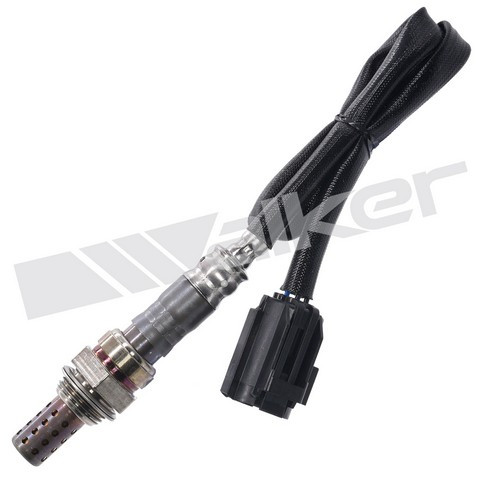
Walker Products Oxygen Sensor P/N:250-24412
Walker Products 250-24134 oxygen sensor for the 1996-1997 Saab 9000 V6 3.0L, the 1996-1998 9000 4-cylinder 2.3L and other vehicles measures the oxygen in the exhaust gas to show how efficiently the engine is burning fuel. Each Walker part number is made for its specific application and fitment position and gives the ECU the diagnostic feedback it needs.
A rough-running engine, higher fuel use, more exhaust emissions or a lit malfunction indicator light can mean this sensor is worn, though a damaged wiring harness or connector can be behind them too, so look those over for physical damage before you replace the sensor.
This oxygen sensor is a direct-fit replacement for the 1996-1997 Saab 9000 V6 3.0L and the 1996-1998 9000 4-cylinder 2.3L. It is also a Saab 900 oxygen sensor for the 1996-1997 V6 2.5L. This listing is one sensor, and the 1996-1997 Saab 900 V6 2.5L takes one.
Fit and size
Build and materials
Does this oxygen sensor fit the 1996-1997 Saab 900 V6 2.5L?
Yes. Walker Products 250-24134 fits the 1996-1997 Saab 900 V6 2.5L, and that car takes one sensor.
Does the Walker Products oxygen sensor fit the 1996-1998 Saab 9000 4-cylinder 2.3L?
Yes. Walker Products 250-24134 fits the 1996-1998 Saab 9000 4-cylinder 2.3L, and it also fits the 1996-1997 Saab 9000 V6 3.0L.
What thread size and wire count does this narrow-band oxygen sensor have?
This sensor has an M18 - 1.5 thread and 4 wires, and it is a narrow-band design.
Can a worn oxygen sensor raise fuel use or turn on the check-engine light?
Yes, it can. A worn sensor can lead to poor running, higher fuel use, more emissions or a lit malfunction indicator light, and newer vehicles store fault codes in the ECU.
What does the coating on this oxygen sensor's electrodes protect against?
The coating on the platinum-layer electrodes protects their surfaces from contamination and erosion by combustion residue and particulates in the exhaust gases.
WARNING: These products can expose you to chemicals including lead and phthalates, which are known to the State of California to cause cancer and birth defects or other reproductive harm. For more information go to www.P65Warnings.ca.gov.