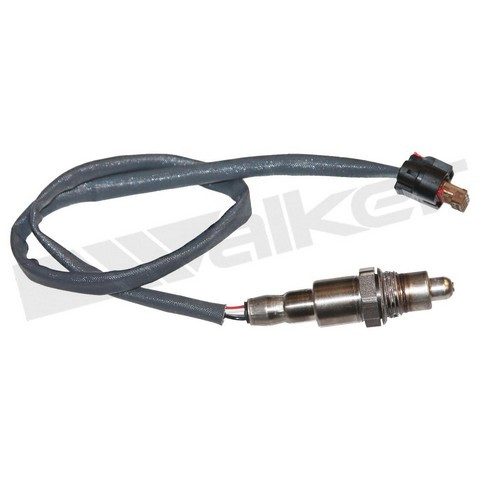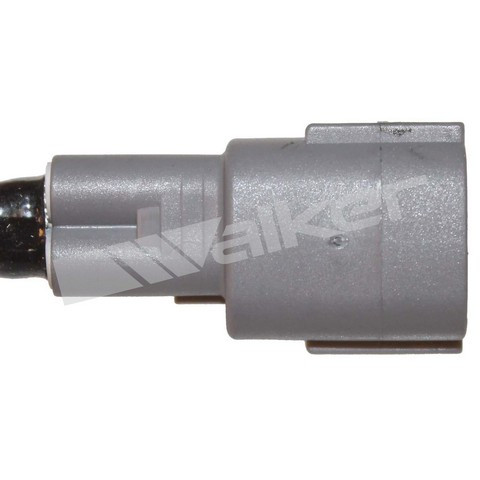
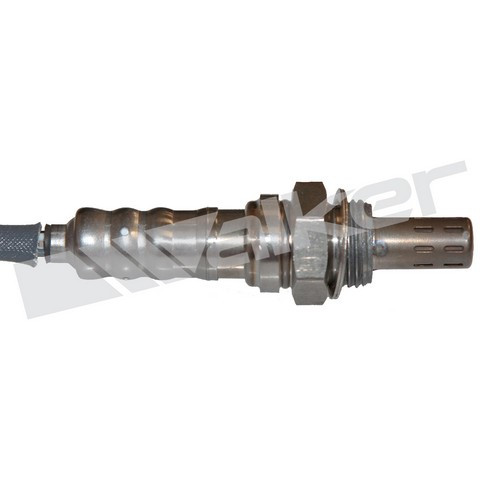
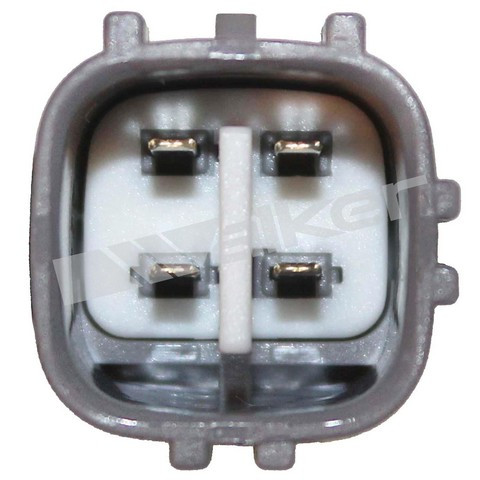
Walker Products Oxygen Sensor P/N:350-34340
Walker Products 350-34541 oxygen sensor for the 1998-2000 Toyota Tacoma 4-cylinder 2.7L and other vehicles measures the oxygen in the exhaust gas from the downstream position. It is made for its specific application and fitment position, and it gives the ECU the diagnostic feedback the system needs.
A failing sensor can show up as rough running, higher fuel use or a lit malfunction indicator light, and a stored code may point to the sensor or its circuit. Those signs can have other causes, so with the engine off and cool, look the sensor, wiring harness and connector over for physical damage before you replace it.
This listing is one oxygen sensor for the 1998-2000 Toyota Tacoma 4-cylinder 2.7L. Fitment also includes the 1998-2000 Toyota RAV4 4-cylinder 2.0L and the 1999-2000 Toyota 4Runner V6 3.4L, and each of these engines takes a single sensor. If your car is not named here, search your own year, make and model on the Buyer's Guide tab.
Fit and size
Build and materials
Is this the right oxygen sensor for a 1998-2000 Toyota RAV4 4-cylinder 2.0L?
Yes. Walker Products 350-34541 is listed for the 1998-2000 Toyota RAV4 4-cylinder 2.0L, and that engine takes one sensor.
Will this oxygen sensor work in a 1999-2000 Toyota 4Runner V6 3.4L?
Yes. This downstream sensor is listed for the 1999-2000 Toyota 4Runner V6 3.4L, and the vehicle takes one.
Is this a downstream or upstream oxygen sensor?
Downstream. Walker Products 350-34541 is listed in the downstream position and is a narrow-band sensor.
How many wires does this narrow-band oxygen sensor have?
It has four wires and mounts with a flange. The listing is one sensor.
Does this oxygen sensor have platinum electrodes?
Yes. The electrodes carry a gas-permeable platinum layer, and a coating guards the electrode surfaces against combustion residue and particulates.
WARNING: These products can expose you to chemicals including lead and phthalates, which are known to the State of California to cause cancer and birth defects or other reproductive harm. For more information go to www.P65Warnings.ca.gov.