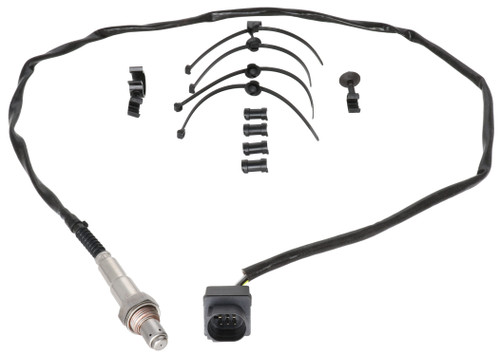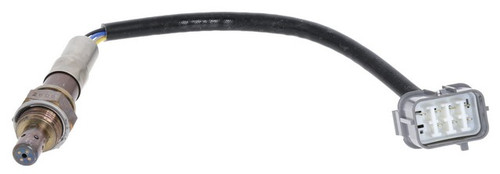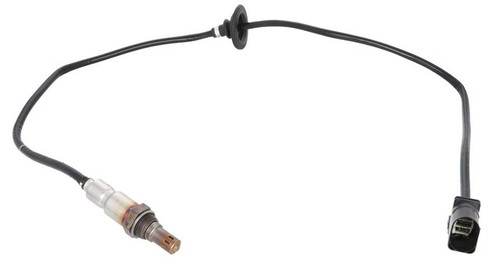
NTK Air / Fuel Ratio Sensor P/N:24317
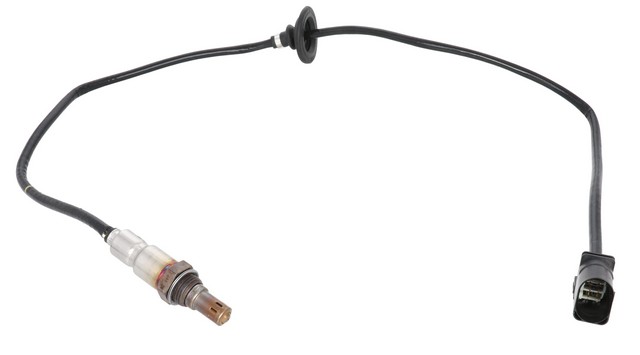
NTK 24399 air / fuel ratio sensor for the 2015-2021 Mitsubishi Outlander Sport 4-cylinder 2.4L, the 2017-2021 Outlander Sport 4-cylinder 2.0L and other vehicles reads how rich or lean the engine is running. This wideband sensor sends the ECU a linear signal, so it can keep adjusting the air-fuel mixture continuously.
A worn sensor can show up as a check engine light, poor fuel economy or a rough-running engine. A vacuum leak, an exhaust leak or a worn spark plug can be behind these signs too, so track down the cause first.
This upstream sensor is a direct-fit replacement for the 2015-2021 Mitsubishi RVR 4-cylinder 2.4L, the 2017-2021 RVR 4-cylinder 2.0L and the 2011-2017 Mitsubishi Lancer 4-cylinder 2.0L or 2.4L. If your car is not named here, look up its year and engine in the Buyer's Guide tab. This listing is one sensor, and the car takes one in the upstream position.
Fit and size
Build and materials
Interchange: 234-5051
1588A228
This part cross-references / interchanges with the following part numbers:
Does the NTK 24399 fit the 2017-2021 Mitsubishi RVR 4-cylinder 2.0L?
Yes. The NTK 24399 is an upstream air / fuel ratio sensor for the 2017-2021 Mitsubishi RVR 4-cylinder 2.0L, and the car takes one.
What hex size does the NTK 24399 use?
The NTK 24399 has a 7/8" (22mm) hex. It is a heated, 5-wire wideband sensor.
How does an NTK air fuel ratio sensor differ from a switching oxygen sensor?
A switching sensor only reports rich or lean. This wideband sensor gives a linear signal, so the ECU can see exactly how rich or lean the engine runs.
What protects the ceramic element of this air / fuel ratio sensor?
A 3-stage contaminant-resistant plasma jet and deposit trap overcoat protects the ceramic element against poisoning.
Is this wideband sensor heated, and what connector comes with it?
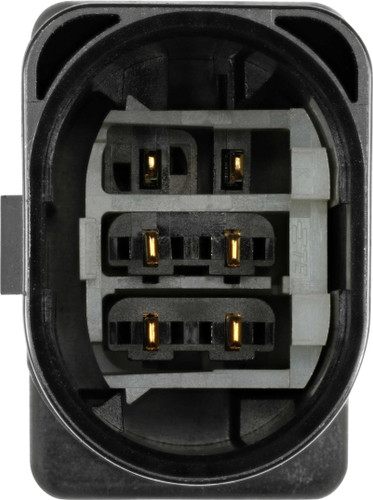
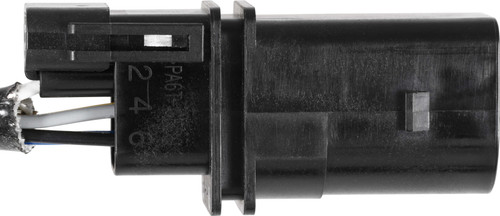
Yes. It is a heated 5-wire sensor equipped with a water-resistant connector and harness accessory hardware.
WARNING: These products can expose you to chemicals including lead and phthalates, which are known to the State of California to cause cancer and birth defects or other reproductive harm. For more information go to www.P65Warnings.ca.gov.