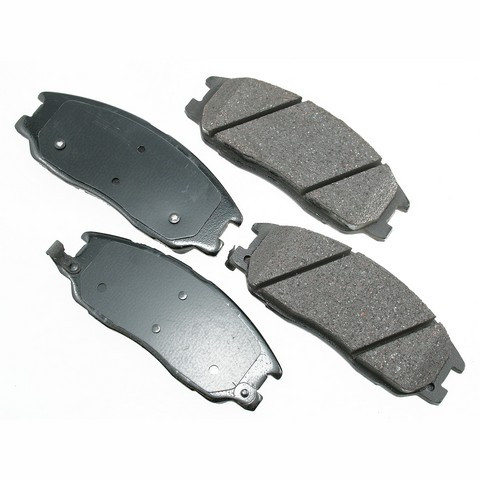
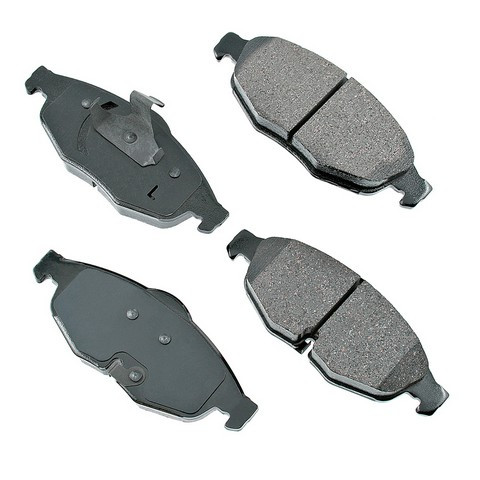
Akebono ProACT Disc Brake Pad Set P/N:ACT869
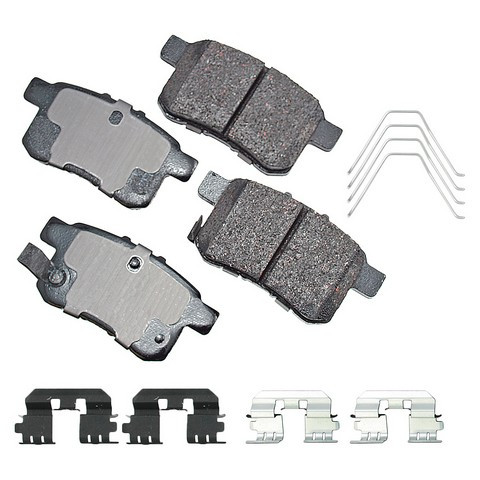
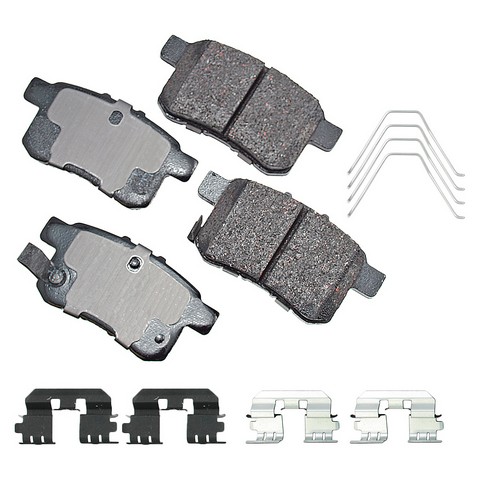
Bring OE-validated ceramic friction to the rear brakes of a 2008-2017 Honda Accord or 2009-2014 Acura TSX with this brake pad kit from Akebono ProACT, part number ACT1336A. It is a direct-fit replacement for the listed applications. See the Buyer's Guide tab for engine-specific details.
The ProACT Ultra-Premium line uses application-specific ceramic formulations built on precision-cut pressure plates. Scientifically engineered chamfers and slots are designed for braking performance and for controlling noise, vibration and harshness (NVH).
Brake pads wear with every stop. Signs this rear disc brake pad set may be due include grinding or squealing when braking, a longer stopping distance, or friction material that looks thin on inspection. Inspect the rotors and related brake components when you replace the pads, and follow the vehicle service information for installation and bedding-in.
This part cross-references / interchanges with the following part numbers:
Are these the right rear brake pads for a 2012 Honda Accord?
Yes. ACT1336A is listed for the rear brakes of the 2008-2017 Honda Accord, which includes 2012. See the Buyer's Guide tab for engine details.
Is this 2008-2017 Honda Accord brake pad kit also right for the 2009-2014 Acura TSX?
Yes. The listed applications include the 2009-2014 Acura TSX as well as the 2008-2017 Honda Accord.
What friction material do these pads use?
Akebono ProACT uses OE-validated, application-specific ceramic formulations. They are paired with precision-cut pressure plates and engineered chamfers and slots.
What does NVH control mean?
NVH stands for noise, vibration and harshness. The chamfers and slots on these pads are engineered to help manage NVH during braking.
What are signs my rear brake pads may need replacing?
Common signs include grinding or squealing when braking, a longer stopping distance, or friction material that looks thin. Have the brakes inspected to confirm the cause.
WARNING: These products can expose you to chemicals including lead and phthalates, which are known to the State of California to cause cancer and birth defects or other reproductive harm. For more information go to www.P65Warnings.ca.gov.