AP Exhaust Exhaust Muffler Assembly P/N:700491

Be the first to review this product
$92.99
MPN: 700491
Item Package Quantity: 1

Have questions?

AP Exhaust Exhaust Muffler Assembly P/N:700491
$92.99

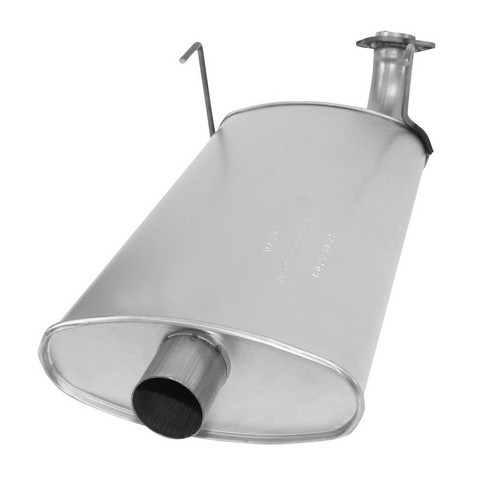
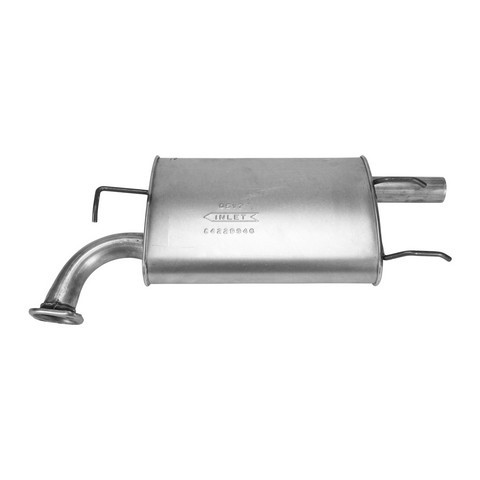
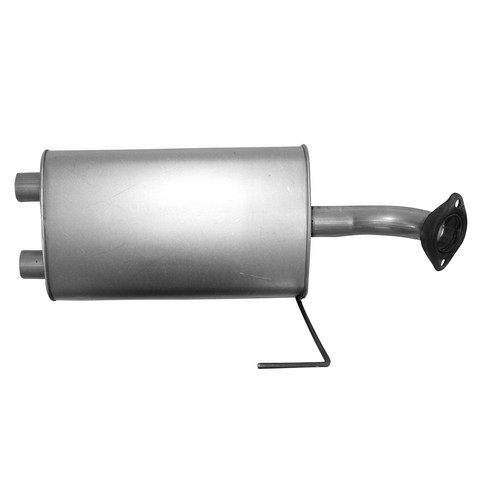
Quiet your exhaust and keep spent gases flowing cleanly with the AP Exhaust muffler assembly (P/N 700491), a direct-fit replacement for the 2007-2015 Nissan Titan with the V8-5.6L engine. Built as a standard-replacement unit, it uses a baffled internal design to reduce combustion noise as exhaust passes through, so you can replace a rusted-through or rattling original with a fresh unit.

  • Aluminized steel body: provides corrosion resistance for the muffler shell.
  • Baffled muffler type: internal baffling manages sound as exhaust flows through the assembly.
  • Connections: two 2.000 in inlets and a single center-located flange outlet with a 2.250 in outside diameter.
  • Dimensions: 18.000 in body length, 10.500 in body width, 4.060 in body height, and 31.000 in overall length.

No heat shield is attached to this muffler; transfer or replace any heat shield as directed by the vehicle service procedure. Made in the United States. Sold as a single muffler assembly.

Frequently Asked Questions

Does this AP Exhaust muffler assembly fit my vehicle?

It is a direct-fit replacement for the 2007-2015 Nissan Titan with the V8-5.6L engine. Confirm your application against the Buyer's Guide tab before ordering.

What is the muffler body made of?

The body is aluminized steel, which provides corrosion resistance for the muffler shell.

What are the inlet and outlet connections?

It has two inlets with a 2.000 in inside diameter and a single center-located flange outlet with a 2.250 in outside diameter.

Is a heat shield included?

No. This muffler does not have a heat shield attached. Transfer or replace any heat shield as directed by the vehicle service procedure.

How does a baffled muffler work?

A baffled muffler routes exhaust through internal chambers and baffling that manage sound as the gases pass through, helping reduce exhaust noise.