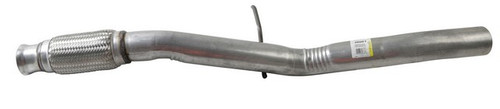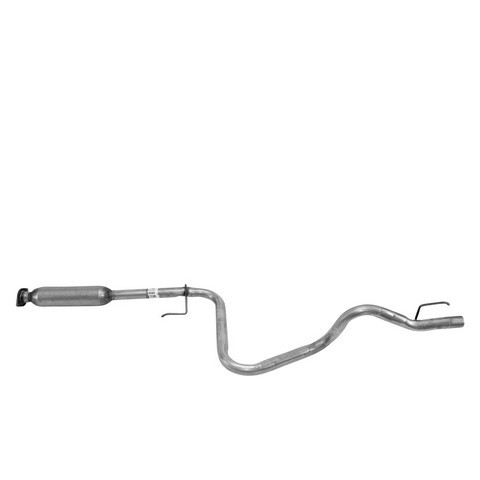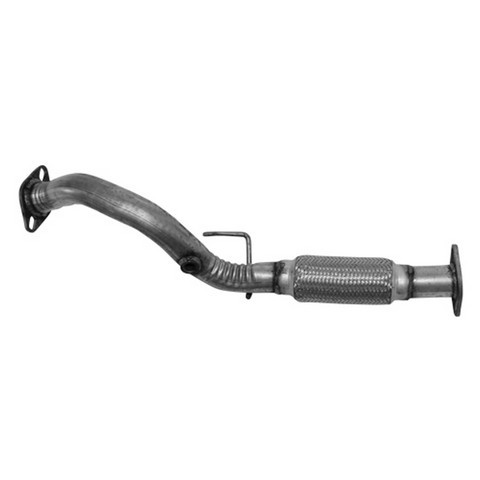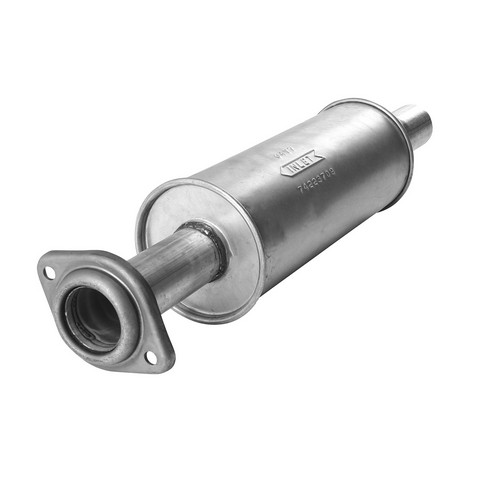
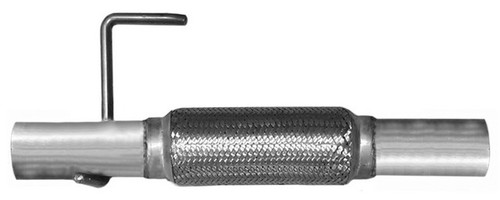
AP Exhaust Exhaust Pipe P/N:38028

Be the first to review this product
$99.99
MPN: 38028
Item Package Quantity: 1
Adding to cart… The item has been added

Have questions?

AP Exhaust Exhaust Pipe P/N:38028
$99.99

Route your exhaust cleanly and quiet the leaks with the AP Exhaust Prebent Exhaust Pipe (MPN 38028). This pre-bent aluminized steel pipe drops in as a direct-fit replacement for the 2011-2014 Ford F-150 with the V6-3.5L, V6-3.7L, V8-5.0L, or V8-6.2L engine, carrying spent exhaust gases along the factory routing so the system flows and seals as intended.

Key features:

  • Aluminized steel construction: resists corrosion for dependable service.
  • Prebent design: formed to follow the original routing, so it installs without extra shaping.
  • Original-equipment replacement: built to serve as a direct replacement for the listed applications.
  • Made in the United States.

An exhaust pipe channels combustion gases from the engine toward the muffler and tailpipe. Signs this part may need replacing include a rusted or perforated pipe, exhaust leaks, hissing or rumbling sounds, and a stronger exhaust smell. If a corroded or damaged pipe is the cause, this pre-bent section replaces it. Confirm fitment for your vehicle before ordering.

Frequently Asked Questions

What vehicles does the AP Exhaust 38028 fit?

It is a direct-fit replacement for the 2011-2014 Ford F-150 with the V6-3.5L, V6-3.7L, V8-5.0L, or V8-6.2L engine. See the Buyer's Guide tab to confirm your vehicle.

What is this pipe made of?

It is made of aluminized steel, which resists corrosion.

Is this a direct replacement?

Yes. The catalog lists it as an original-equipment replacement, and its prebent shape follows the factory routing so it installs without extra shaping.

What does an exhaust pipe do?

It channels combustion gases from the engine toward the muffler and tailpipe, keeping the exhaust system flowing and sealed.

How do I know if my exhaust pipe needs replacing?

Common signs include a rusted or perforated pipe, exhaust leaks, hissing or rumbling sounds, and a stronger exhaust smell. Diagnose the cause before replacing.