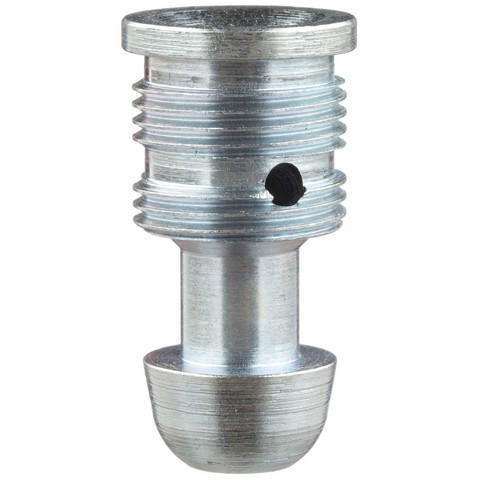
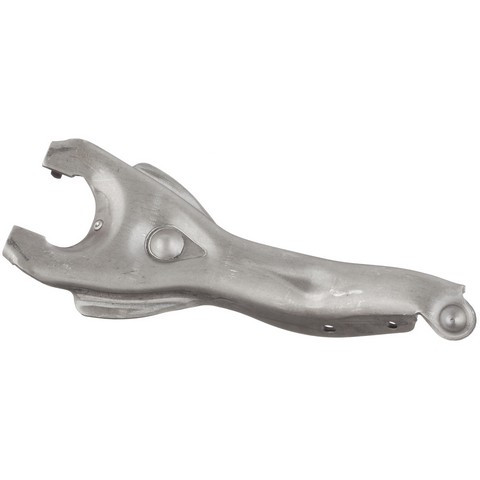
ATP JX-111 clutch fork pivot for the 1988-1990 Chevrolet C1500 V6 4.3L, V8 5.0L, 5.7L or 6.2L, the 1990 C1500 V8 7.4L and other vehicles gives the clutch fork a ball stud to pivot on. It is designed to fit and function like the original part.
- Ball stud that forms the pivot point for the clutch fork
- Made of steel
- A worn ball stud cannot be repaired and is replaced with a new part
Quick facts
- Part: ATP JX-111 clutch fork pivot
- Fits: 1988-1990 Chevrolet C1500 V6 4.3L, V8 5.0L, 5.7L or 6.2L, the 1990 C1500 V8 7.4L and other vehicles
- Material: steel
A ball stud wears over time. A worn one can show up as play in the clutch linkage, a vague or uneven pedal feel or hard shifting. A stretched clutch cable, a worn clutch disc or a tired release bearing can be behind the same signs, so find the cause before buying a pivot.
Fits
Listed for a wide range of Chevrolet and GMC models, including the 1988-1990 Chevrolet K1500 V6 4.3L, V8 5.0L, 5.7L or 6.2L and the 1988-1990 Chevrolet C2500 V6 4.3L, V8 5.0L, 5.7L or 6.2L. Both take one pivot. If your model is not named here, look up its years and engine in the "Vehicles it fits" section.
Specifications
- Quantity per application: 1
- Material: steel
- Country of origin: Mexico
Interchange: 15592268 · THC13LC · CA90B · V96003
Product information is for general reference and may contain errors. See our Disclaimer.
This part cross-references / interchanges with the following part numbers:
15592268, THC13LC, CA90B, V96003
Frequently Asked Questions
Is the ATP JX-111 clutch fork pivot right for the 1988-1990 Chevrolet C1500 V6 4.3L, V8 5.0L, 5.7L or 6.2L?
Yes. ATP JX-111 is listed for the 1988-1990 Chevrolet C1500 with those engines and for the 1990 C1500 V8 7.4L. Other models are in the "Vehicles it fits" section.
Is the ATP JX-111 clutch fork pivot made of steel?
Yes. The ATP JX-111 is listed as steel, and its country of origin is Mexico.
Can a worn ball stud on a clutch fork pivot be repaired?
No. A worn ball stud has no repair; the pivot is replaced with a new part.
Does ATP JX-111 replace the CA90B number?
Yes. CA90B is one of the interchange numbers for this ATP JX-111 clutch fork pivot.
What can a worn clutch fork pivot ball stud feel like?
An uneven clutch pedal feel or a notchy shift can go with a worn ball stud. A shop can inspect the pivot to confirm.