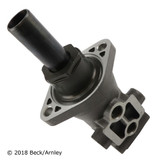
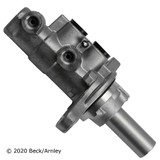
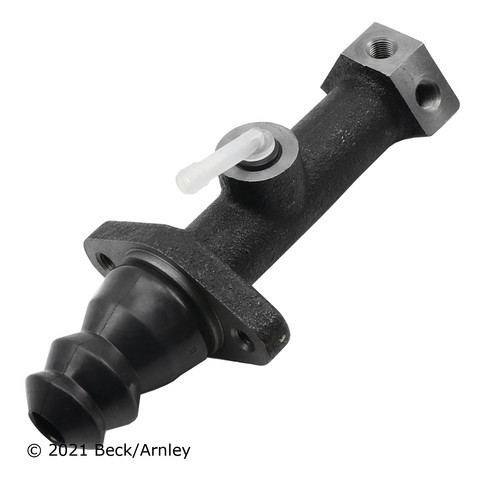
Beck/Arnley Brake Master Cylinder P/N:072-9769
Turn every press of the brake pedal into hydraulic braking pressure with the Beck/Arnley 1990-1991 Honda Civic master cylinder, part number 072-8573. It is designed as a direct replacement for the 1990-1991 Honda Civic. See the Buyer's Guide tab for engine details.
That pressure travels from the master cylinder through the brake lines to the brakes at each wheel.
Beck/Arnley's product specialists work with a trusted global sourcing network to supply OE-quality parts. Every part must meet Beck/Arnley's own requirements and specifications. Signs that the master cylinder may need replacing include a soft or spongy pedal, a pedal that slowly sinks under steady pressure, and brake fluid seeping around the cylinder. Air in the lines or leaks elsewhere in the system can cause similar symptoms, so diagnose the cause before replacing any part.
Interchange: 18M520 · 112517 · 13040016 · 13140016 · M39968 · 46100SH4A11 · 6672210 · MC39968 · M54016 · F120595 · MC120595
This part cross-references / interchanges with the following part numbers:
Which vehicles does the Beck/Arnley 072-8573 fit?
It is listed for the 1990-1991 Honda Civic. See the Buyer's Guide tab for the full application details for your vehicle.
Do I need to bleed the brakes after a 1990-1991 Honda Civic brake master cylinder replacement?
Yes—replacing the master cylinder opens the hydraulic system, so the brakes must be bled afterward. Bench-bleeding the new unit before installation is common practice; follow the vehicle service procedure.
Does it come with a reservoir?
Beck/Arnley provides the reservoir and sensor where the application calls for them. Compare the new unit with your original before installing it.
What does a brake master cylinder do?
It converts the force on the brake pedal into hydraulic pressure. That pressure is sent through the brake lines to the brakes at each wheel.
What are signs my master cylinder may be failing?
A soft or spongy pedal, a pedal that slowly sinks under steady pressure, or fluid seeping at the cylinder may be signs. Air or leaks elsewhere can cause similar symptoms, so diagnose the cause before replacing.
WARNING: These products can expose you to chemicals including lead and phthalates, which are known to the State of California to cause cancer and birth defects or other reproductive harm. For more information go to www.P65Warnings.ca.gov.