

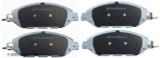
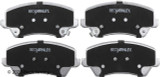
Beck/Arnley Disc Brake Pad Set P/N:085-6615
Beck/Arnley Disc Brake Pad Set P/N:085-6615. Fits: Volvo S60, Volvo S80, Volvo V70, Volvo Xc70.
$48.99


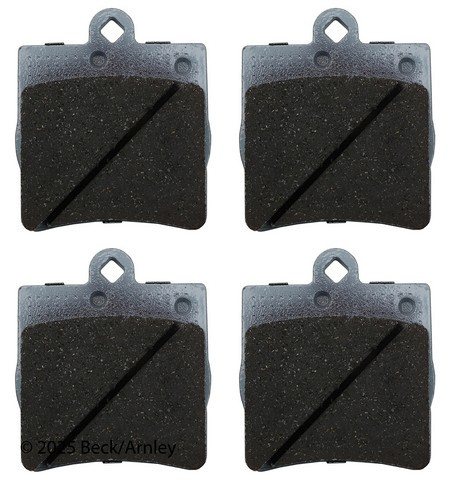
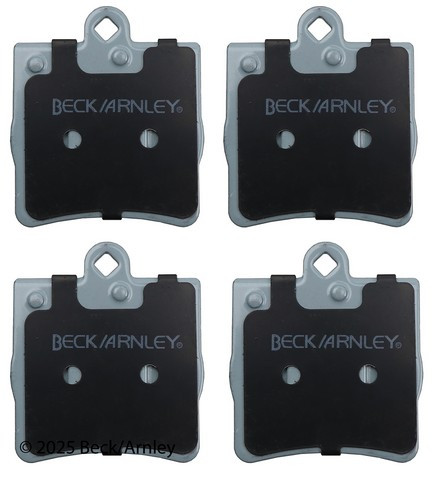
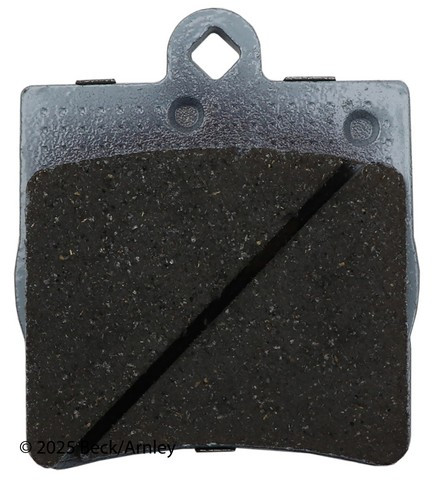


The Beck/Arnley 085-1630 rear brake pad for the 1998-2004 Mercedes-Benz SLK230 and other vehicles is a direct replacement for OE applications. It is made with special attention to form, fit and function, and it presses against the rotor to slow the rear wheels.
Squealing, grinding from the rear brakes or a longer stop can mean the disc brake pad friction has worn thin. A sticking caliper, a worn rotor or a seized slide pin can also be behind these signs, so pin down the cause before you buy.
The vehicles it fits include the 2001-2004 Mercedes-Benz SLK320 and the 2000 Mercedes-Benz C230. If your car isn't named here, open the Buyer's Guide tab to check your exact model and engine.
Interchange / FMSI:
FMSI: D779
Interchange: 62D779 · BMD779 · 10404950 · FDB1311U · 0024207420OE · 0024207420 · 0042209120 · 004420912041 · D7797647 · PD779 · PGD779M · MX779
This part cross-references / interchanges with the following part numbers:
Will these work as 2000 Mercedes C230 brake pads for the rear axle?
Yes. Beck/Arnley 085-1630 is a rear brake pad set that fits the 2000 Mercedes-Benz C230, and it also fits the 1998-2004 Mercedes-Benz SLK230.
Are these the rear Mercedes-Benz SLK230 brake pads for a 1998-2004 model?
Yes. This rear brake pad set fits the 1998-2004 Mercedes-Benz SLK230 and the 2001-2004 Mercedes-Benz SLK320. For another model, check your exact car on the Buyer's Guide tab.
Is the Beck/Arnley 085-1630 friction material semi-metallic or ceramic?
Semi-metallic. The Beck/Arnley 085-1630 has semi-metallic friction material, matching the pad material type originally on the vehicle.
Do these post-cured rear pads need a break-in period?
No. These rear brake pads are post-cured, so no break-in is needed after installation.
Do the bonded shims on these rear pads help with brake squeal?
Yes. The shims on this rear brake pad set are integrally molded and bonded to the pads to help reduce braking noise.



WARNING: These products can expose you to chemicals including lead and phthalates, which are known to the State of California to cause cancer and birth defects or other reproductive harm. For more information go to www.P65Warnings.ca.gov.
