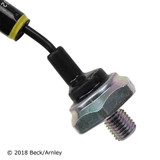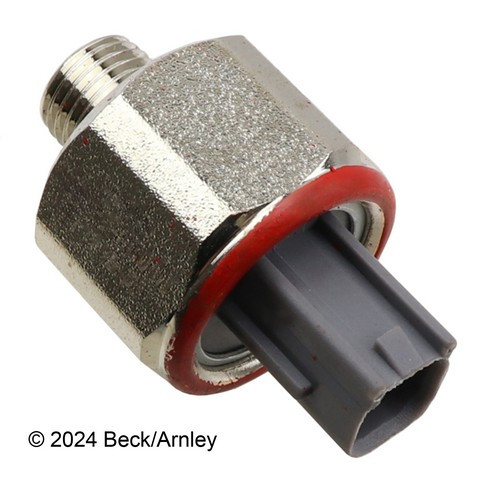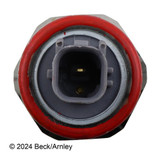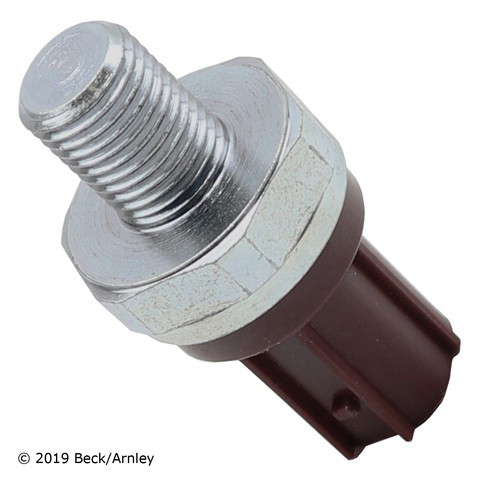
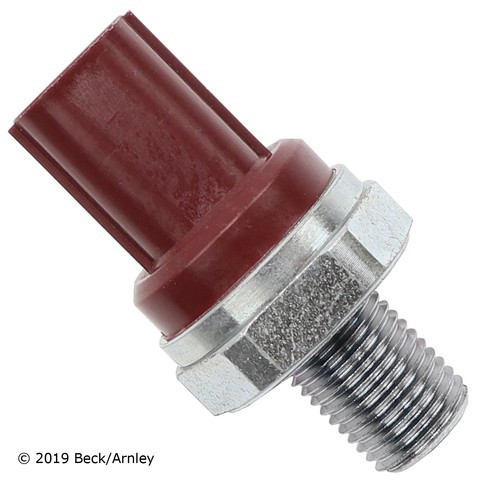
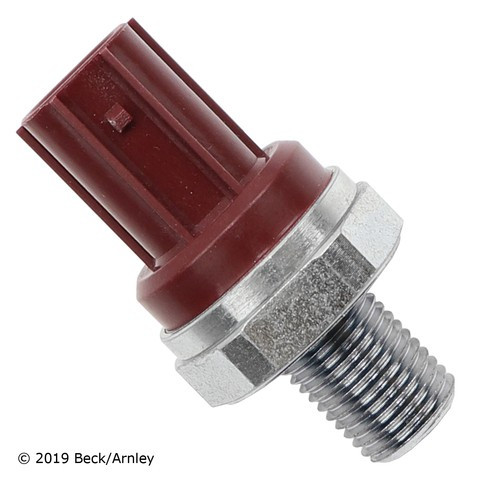
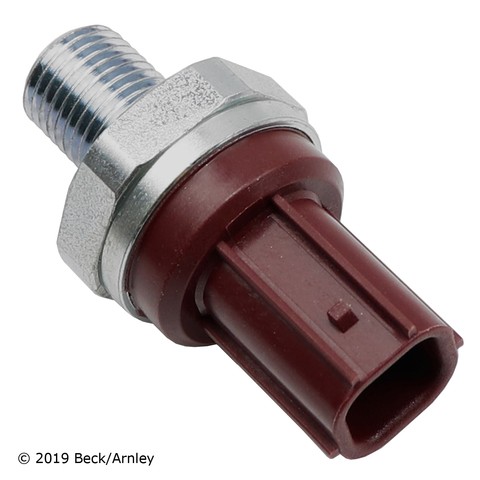
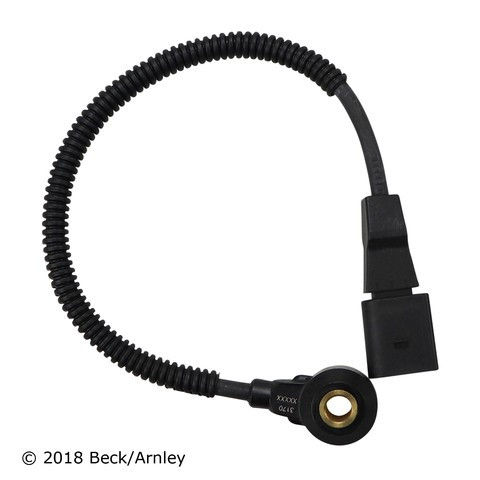
Beck/Arnley Ignition Knock (Detonation) Sensor P/N:158-0991
Beck/Arnley 158-1008 ignition knock (detonation) sensor for the 1999-2001 Honda CR-V 4-cylinder 2.0L senses engine knock from its spot in the cylinder block. It reports that knock to the engine computer, which uses the signal to manage the engine.
A failing sensor can show up as a check engine light, pinging under load or sluggish acceleration, but a corroded connector or damaged wiring can produce similar symptoms. With the engine off and cool, look over the connector and terminals for corrosion, cracks or damage first; if the sensor itself is the cause, this one replaces it.
This sensor is a direct replacement for the 1999-2001 Honda CR-V 4-cylinder 2.0L, made for that application and matching OE form, fit and function. This listing is one sensor, and the engine takes one.
Fit and size
Build and materials
Interchange: 5S2232 · S7830 · AS1011111B1 · 30530PHK004 · KS106 · SU4775
This part cross-references / interchanges with the following part numbers:
Does the Beck/Arnley 158-1008 ignition knock (detonation) sensor fit the 1999-2001 Honda CR-V 4-cylinder 2.0L?
Yes. Beck/Arnley 158-1008 is application specific for the 1999-2001 Honda CR-V 4-cylinder 2.0L, and that engine takes one sensor.
Where does this ignition knock (detonation) sensor mount on the engine?
This sensor mounts in the cylinder block. It reads engine knock there and passes the signal on to the engine computer.
Are the terminals on this ignition knock (detonation) sensor protected against corrosion?
Yes. Beck/Arnley 158-1008 has corrosion resistant terminals and coatings.
What signs can point to a failing ignition knock (detonation) sensor?
A check engine light, pinging under load or sluggish acceleration can be signs, though other faults produce similar symptoms. A shop can test the sensor's signal.
Is 30530PHK004 an interchange number for Beck/Arnley 158-1008?
Yes. 30530PHK004 is listed as an interchange number that Beck/Arnley 158-1008 replaces.
WARNING: These products can expose you to chemicals including lead and phthalates, which are known to the State of California to cause cancer and birth defects or other reproductive harm. For more information go to www.P65Warnings.ca.gov.