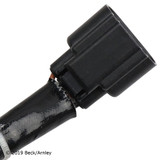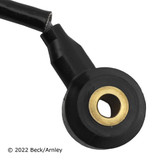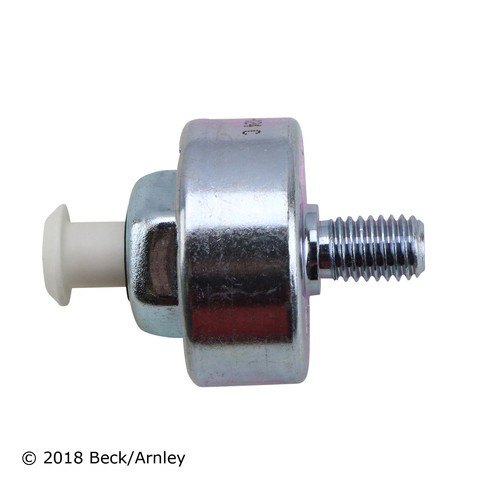
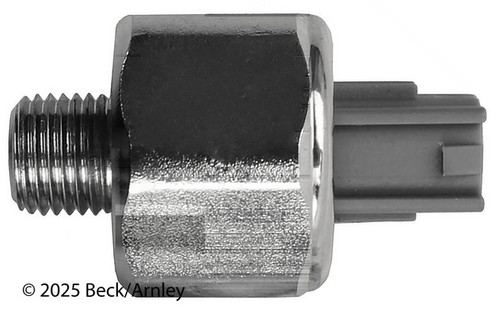
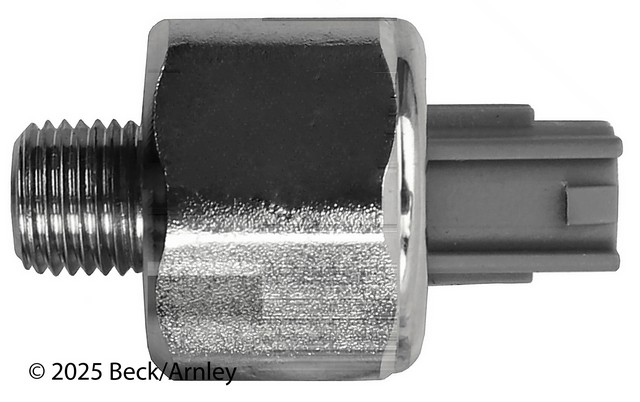
Beck/Arnley Ignition Knock (Detonation) Sensor P/N:158-0619
Beck/Arnley 158-1793 ignition knock (detonation) sensor for the 2000-2006 Toyota Camry V6 3.0L and other vehicles picks up engine knock and passes the signal to the engine computer. That signal helps the computer manage ignition timing.
A failing knock sensor can show up as a check engine light, pinging under load or hesitation. Before you replace the sensor, rule out a damaged wiring harness or connector and other problems that produce the same symptoms.
This sensor is listed for a wide range of Toyota and Lexus models, including the 1995-2004 Toyota Tacoma V6 3.4L and the 2000-2004 Toyota Tundra V6 3.4L. It matches OE form, fit and function. Look up your own year, model and engine in the Buyer's Guide tab to see whether your car is covered. This listing is one sensor, and how many a car needs varies by vehicle.
Fit and size
Build and materials
Interchange: 8961512050 · 8961512090 · 8961532010 · KS159T · 5S2254
This part cross-references / interchanges with the following part numbers:
Does the Beck/Arnley 158-1793 knock sensor fit the 2000-2006 Toyota Camry V6 3.0L?
Yes. Beck/Arnley 158-1793 is listed for the 2000-2006 Toyota Camry V6 3.0L, which takes two sensors.
Is the Beck/Arnley 158-1793 knock sensor listed for the 2000-2004 Toyota Tundra V6 3.4L?
Yes. Beck/Arnley 158-1793 is listed for the 2000-2004 Toyota Tundra V6 3.4L, which takes two sensors. This listing is a single sensor.
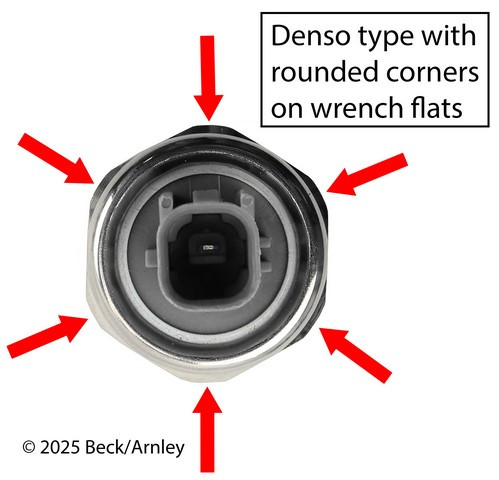
Is this knock sensor the Denso type with rounded corners on the wrenching flats?
Yes. This sensor is tuned to match the Denso type sensor with rounded corners on the wrenching flats. Compare it with your original sensor before ordering.
What signs can point to a failing knock sensor?
A check engine light, pinging under load or hesitation can be signs. A shop can test the sensor with the engine running.
Where does the Beck/Arnley 158-1793 sensor mount on the engine?
Beck/Arnley 158-1793 is a sensor that mounts in the cylinder block.
WARNING: These products can expose you to chemicals including lead and phthalates, which are known to the State of California to cause cancer and birth defects or other reproductive harm. For more information go to www.P65Warnings.ca.gov.