Bosch Fuel Pump Module Assembly P/N:69701
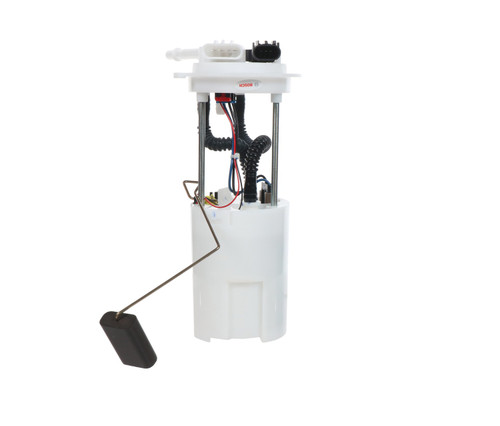
Bosch 67893 fuel pump module for the 2002-2005 Audi A4 Quattro 4-cylinder 1.8L or V6 3.0L and other vehicles delivers fuel from the tank to the injection system.
Hard starting, sputtering under load or a whine from the tank can mean the module is worn, though a blown fuse or a failing fuel pump relay sometimes lies behind these signs too, so look at both before replacing the module.
This module is a direct-fit replacement for the 2002-2005 Audi A4 Quattro 4-cylinder 1.8L or V6 3.0L and for the 2002 Audi A4 4-cylinder 1.8L or V6 3.0L. Each car takes one, sitting in the fuel tank.
Fit and size
Build and materials
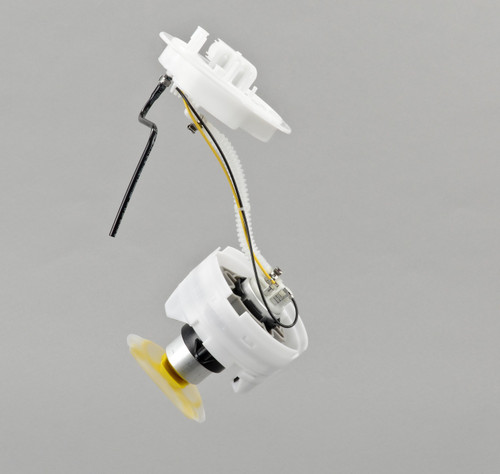
One fuel pump module assembly with its filter, fuel sending unit and O-ring. A lock ring and a seal are not included, so plan on getting new ones.
Interchange: 8E0919051R · 8E0906087P
This part cross-references / interchanges with the following part numbers:
Does the Bosch 67893 fit the 2002 Audi A4 4-cylinder 1.8L or V6 3.0L?
Yes. Bosch 67893 fits the 2002 Audi A4 with either the 4-cylinder 1.8L or the V6 3.0L, and each car takes one module.
Does this Bosch fuel pump assembly come with the fuel sending unit and filter?
Yes. Bosch 67893 comes with the fuel sending unit, a filter and an O-ring. The lock ring and a seal are not included.
How much filtration does this fuel pump module have?
This fuel pump module has 2 layers of filtration, which keep debris away from the pump and help prevent fuel system contamination.
Could hard starting and a whine from the tank point to a worn fuel pump module?
Yes, they can point to a worn module. Sputtering under load is another sign, and a shop can test the fuel system to confirm whether the module is the cause.
How is the Bosch 67893 tested?
Every Bosch fuel pump gets an end-of-line function test. Bosch aftermarket fuel pumps are tested to a minimum lifetime of 150k miles.
No reviews yet — be the first to review this product.
Write a Review
WARNING: These products can expose you to chemicals including lead and phthalates, which are known to the State of California to cause cancer and birth defects or other reproductive harm. For more information go to www.P65Warnings.ca.gov.