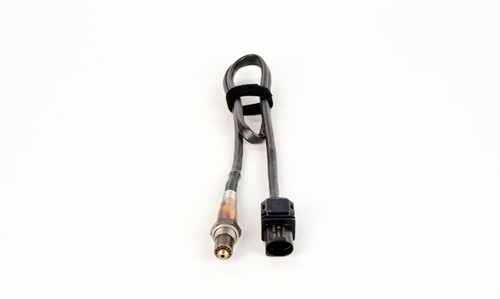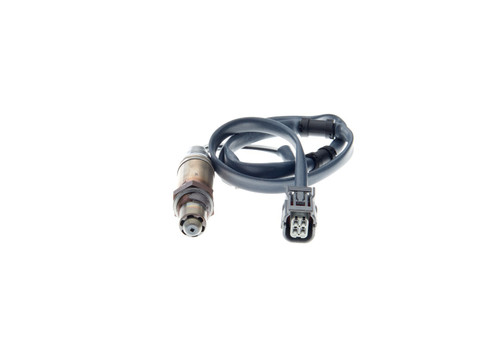
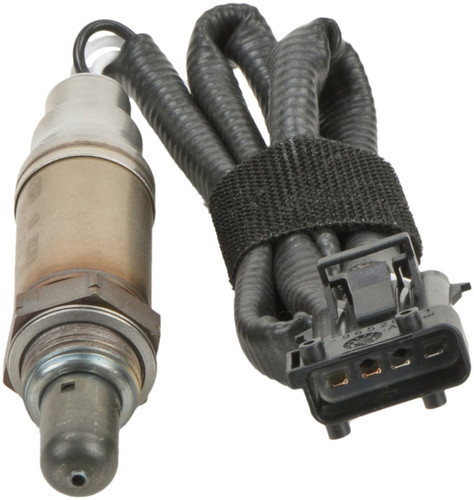
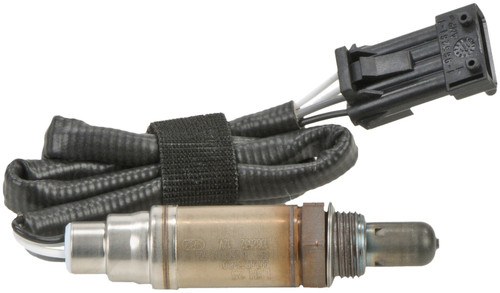
Bosch Oxygen Sensor P/N:13139
Bosch 13564 oxygen sensor for the 1999-2001 Porsche 911 H6 3.4L reports exhaust oxygen content to the ECU as air-fuel-ratio feedback. This upstream Bosch O2 sensor is a switching-type unit that helps the ECU keep combustion stable and emissions down.
A worn oxygen sensor can show up as a check engine light, rough running or poorer fuel economy. If the upstream sensor is the cause, this one replaces it. First, with the engine off and cool, look over its wiring and connector for melted insulation or chafing, because damage there can set off a similar warning light.
This listing is one sensor, sold as an oxygen sensor for the 1999-2001 Porsche 911 H6 3.4L and the 1996-1997 Porsche 911 H6 3.6L; each of these cars takes two.
Fit and size
Build and materials
One oxygen sensor with its wiring harness. A mounting bracket is not included.
Is the Bosch 13564 right for a 1999-2001 Porsche 911 H6 3.4L?
Yes. Bosch 13564 is an upstream oxygen sensor for the 1999-2001 Porsche 911 H6 3.4L and the 1996-1997 Porsche 911 H6 3.6L. Each of these cars takes two.
Does this Bosch oxygen sensor come with its wiring harness?
Yes. Bosch 13564 includes the wiring harness. A mounting bracket is not included.
What thread and hex size does the Bosch premium oxygen sensor have?
The thread size is M18 - 1.5 and the hex size is 22 mm. Length from the sealing surface to the end of the connector is 21.7 in.
Does the Bosch 13564 come with anti-seize on its threads?
Yes. Bosch 13564 has conductive anti-seize pre-applied on its threads, and its connectors are direct-fit.
Can a worn upstream oxygen sensor affect fuel economy?
Yes. The sensor feeds air-fuel-ratio readings to the ECU, so one that reads poorly can contribute to poorer fuel economy or a rough idle.
Published by the manufacturer of this part. Links open in a new tab.
No reviews yet — be the first to review this product.
Write a Review
WARNING: These products can expose you to chemicals including lead and phthalates, which are known to the State of California to cause cancer and birth defects or other reproductive harm. For more information go to www.P65Warnings.ca.gov.