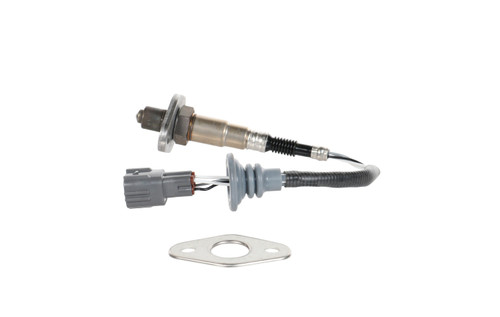
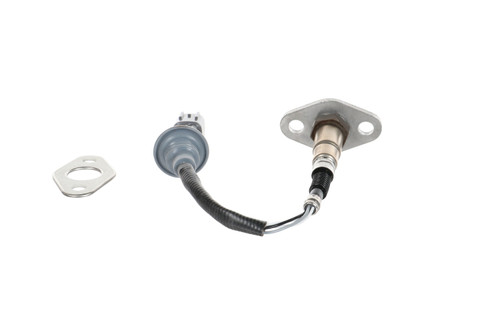
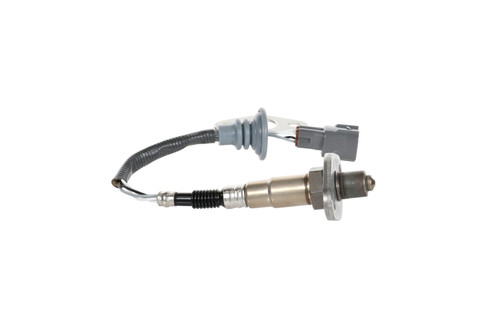
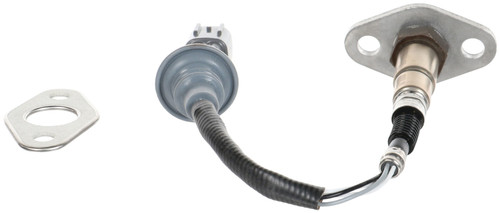
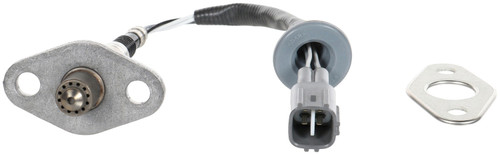
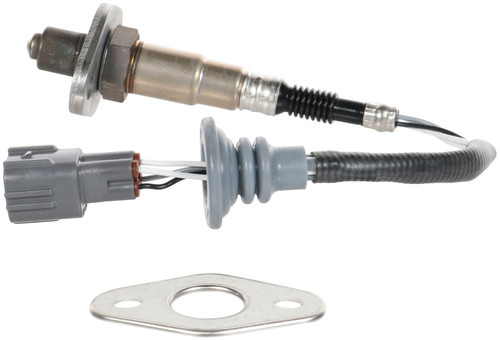
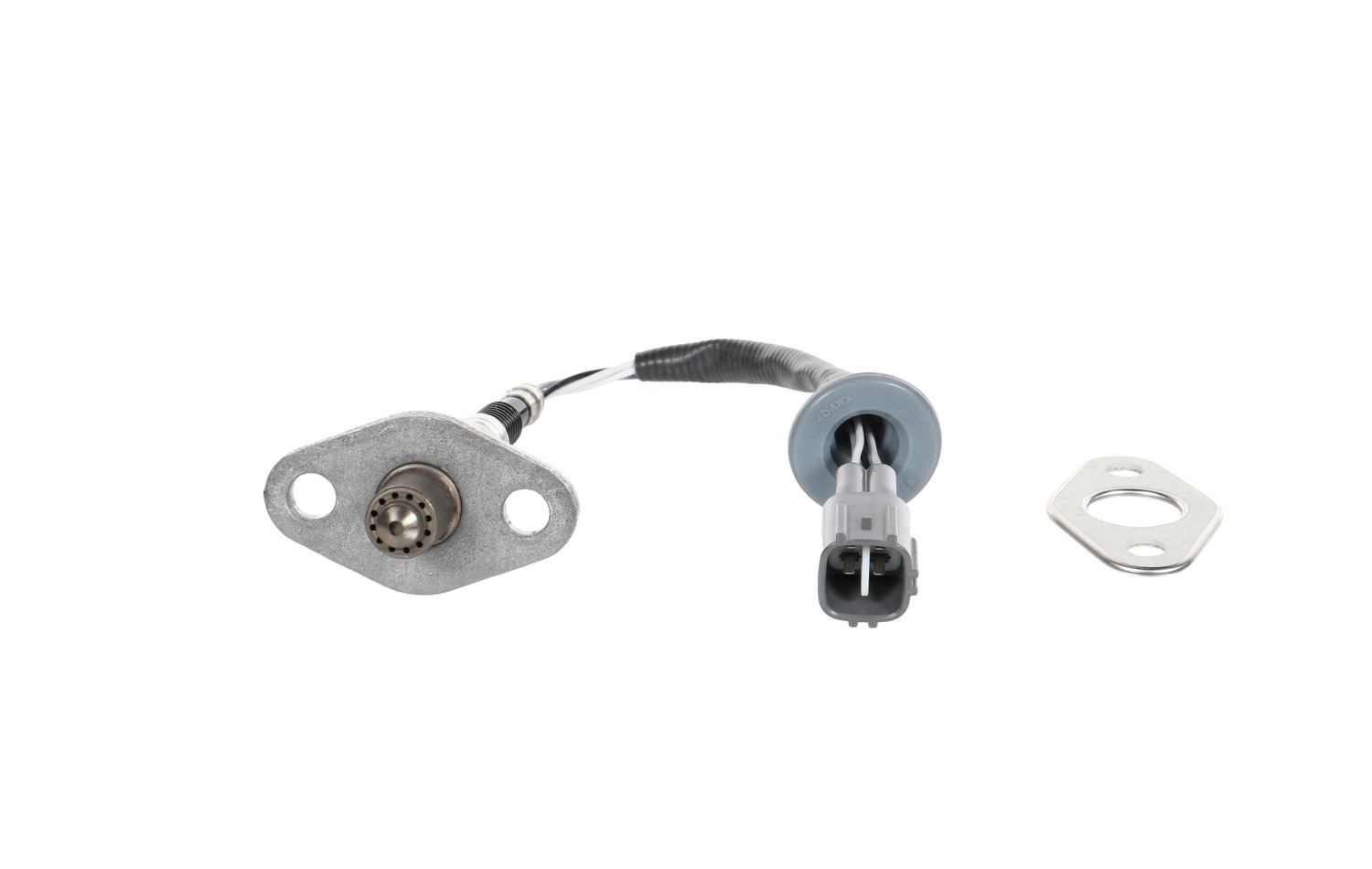
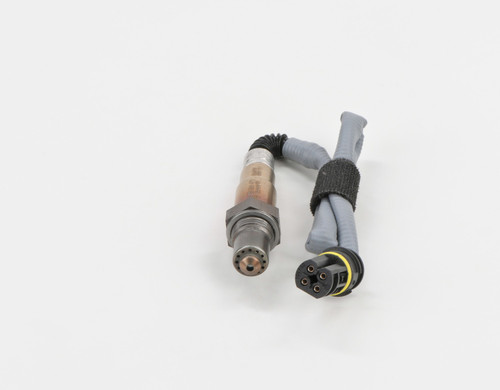
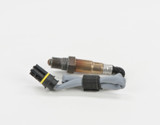
Bosch Oxygen Sensor P/N:16473
Bosch 13566 oxygen sensor for the 2001-2003 Toyota Sienna V6 3.0L is a Bosch O2 sensor that gives the ECU air-fuel-ratio readings. The ECU uses that signal to keep combustion stable and help reduce emissions.
A check engine light, worse fuel economy or a failed emissions test can mean an oxygen sensor is worn. Before you replace it, rule out exhaust leaks, damaged wiring and engine misfires, because any of them can produce similar readings and a new sensor will not correct them.
This downstream sensor is one of the oxygen sensors for the 2001-2003 Toyota Sienna V6 3.0L, and it is a direct-fit replacement for that engine.
Fit and size
Build and materials
One oxygen sensor with its wiring harness; a mounting bracket is not included. This listing is one sensor, and the 2001-2003 Toyota Sienna V6 3.0L takes one.
Is Bosch 13566 a 2002 Toyota Sienna O2 sensor for the V6 3.0L?
Yes. Bosch 13566 fits the 2001-2003 Toyota Sienna V6 3.0L, which includes the 2002 model year, and it is a downstream sensor.
Is this the downstream O2 sensor for the 2001-2003 Toyota Sienna V6 3.0L?
Yes. This sensor is for the downstream position, and the 2001-2003 Toyota Sienna V6 3.0L takes one.
What kind of sensor is this Bosch premium oxygen sensor?
Bosch 13566 is a narrow-band, heated, switching-type sensor with a metal housing, an M18 - 1.5 thread, a 22 mm hex and four wires.
Does the Bosch 13566 sensor come with its wiring harness?
Yes, the wiring harness is included, and the threads come with conductive anti-seize already applied. A mounting bracket is not included.
Can a worn downstream O2 sensor turn on the check engine light?
Yes, a sensor that has slowed down or failed can set a check engine light. A shop can read the stored codes to find the cause.
Published by the manufacturer of this part. Links open in a new tab.
No reviews yet — be the first to review this product.
Write a Review
WARNING: These products can expose you to chemicals including lead and phthalates, which are known to the State of California to cause cancer and birth defects or other reproductive harm. For more information go to www.P65Warnings.ca.gov.