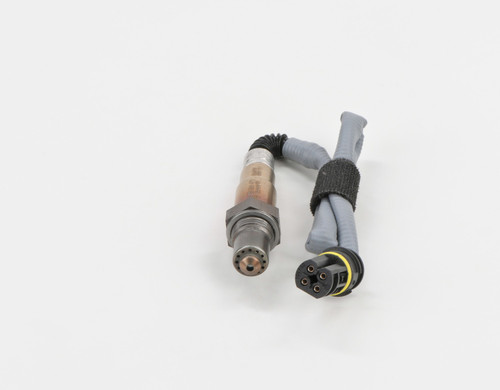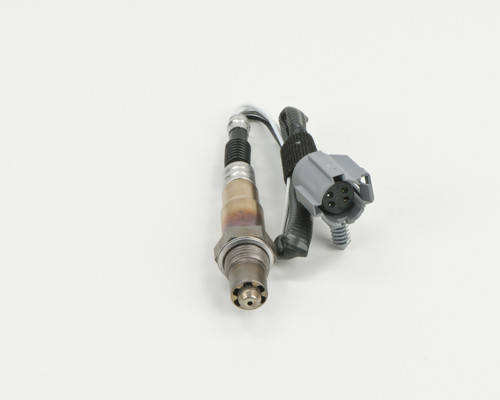
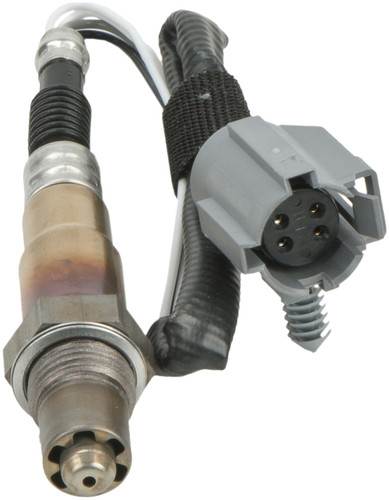
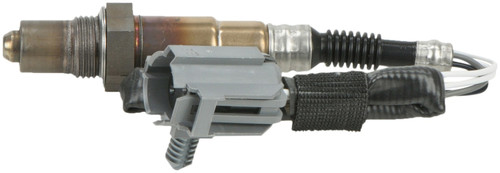
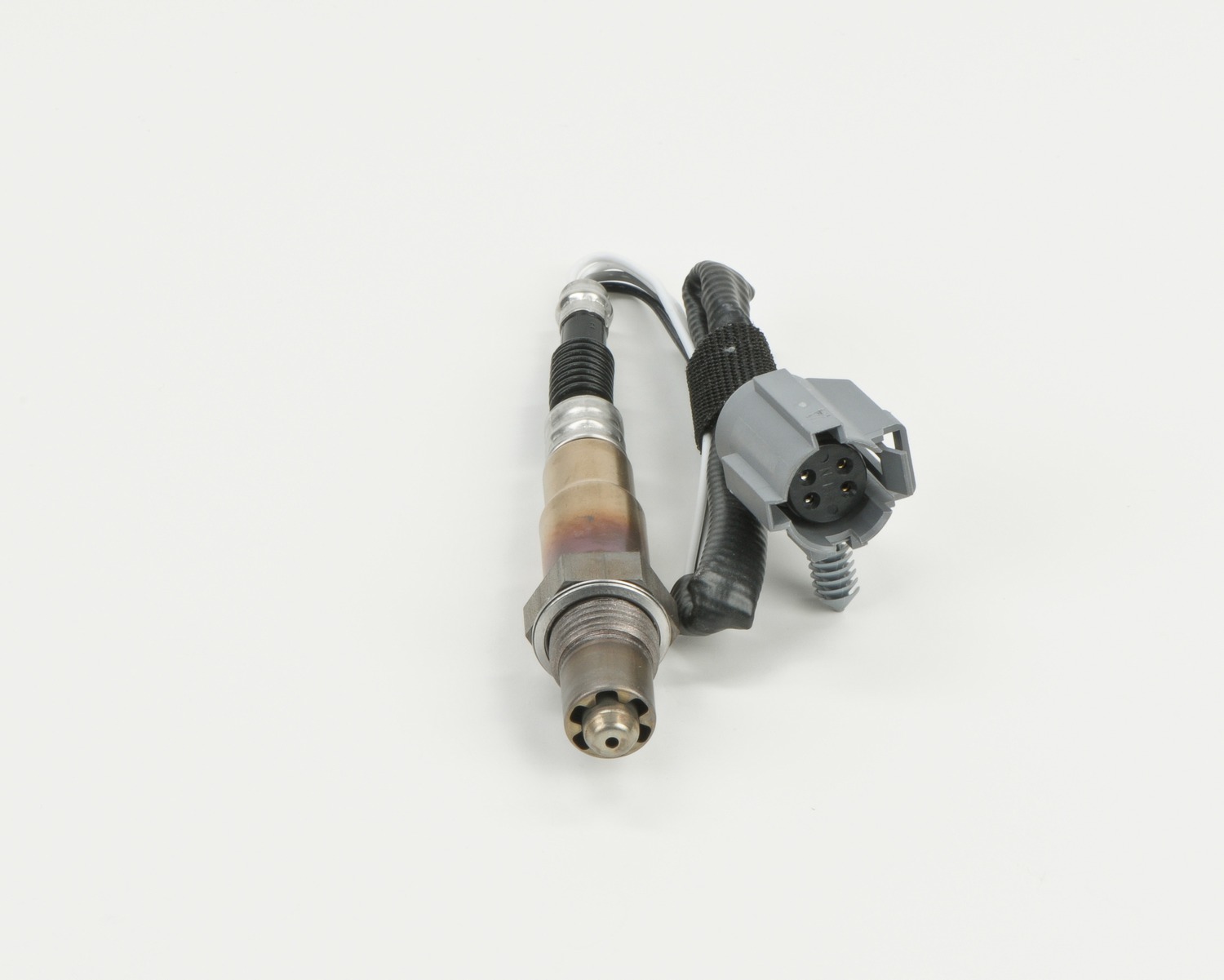
Bosch Oxygen Sensor P/N:15160
Bosch 13695 oxygen sensor for the 2000-2002 Dodge Neon 4-cylinder 2.0L and other vehicles reports the exhaust air-fuel ratio to the ECU. It is an upstream, heated narrow-band sensor that gives the ECU the feedback it uses for closed-loop control.
A check engine light, rough idle or poor fuel economy can go with a worn sensor. These signs alone do not prove the sensor is the problem, since a vacuum leak can trigger them too.
This oxygen sensor fits the 2000-2002 Dodge Neon 4-cylinder 2.0L, the 2001-2002 Chrysler Neon 4-cylinder 2.0L and the 2000-2001 Plymouth Neon 4-cylinder 2.0L. The listing is one sensor, and each of those Neons needs just one.
Fit and size
Build and materials
One oxygen sensor with its wiring harness. A mounting bracket is not included.
Is this Dodge Neon oxygen sensor the right one for the 2000-2002 Dodge Neon 4-cylinder 2.0L?
Yes. Bosch 13695 is the upstream oxygen sensor for the 2000-2002 Dodge Neon 4-cylinder 2.0L, and it also fits the 2001-2002 Chrysler Neon 4-cylinder 2.0L and the 2000-2001 Plymouth Neon 4-cylinder 2.0L.
Is the Bosch O2 sensor 13695 an upstream or downstream sensor?
Upstream. Bosch 13695 is a heated narrow-band sensor with an M18 - 1.5 thread and a 22 mm hex.
Does this Bosch premium oxygen sensor come with its wiring harness?
Yes. Bosch 13695 includes its wiring harness. A mounting bracket is not included.
How can I tell whether this oxygen sensor is still working?
A shop can read its signal with a scan tool while the engine runs. With the engine off and cool, you can look for damaged wiring or a cracked housing.
Does Bosch 13695 need anti-seize on the threads?
No. This oxygen sensor already has conductive anti-seize applied to its threads, and its connector is direct-fit.
Published by the manufacturer of this part. Links open in a new tab.
No reviews yet — be the first to review this product.
Write a Review
WARNING: These products can expose you to chemicals including lead and phthalates, which are known to the State of California to cause cancer and birth defects or other reproductive harm. For more information go to www.P65Warnings.ca.gov.