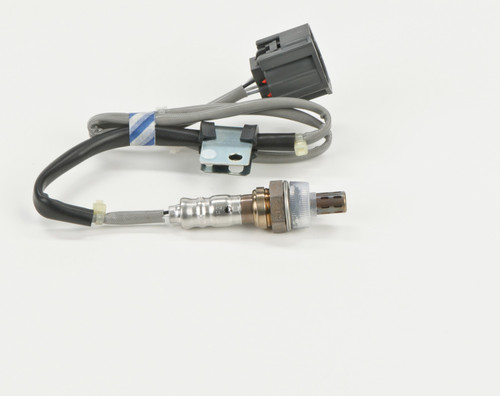
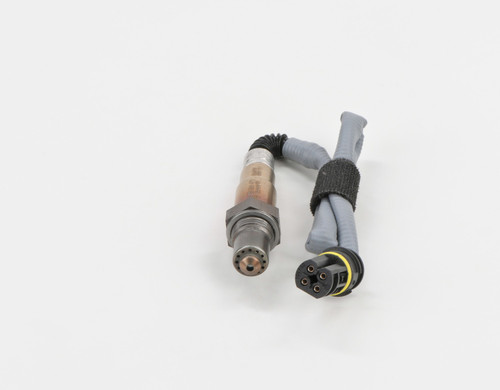
Bosch Oxygen Sensor P/N:16473
Bosch 13770 oxygen sensor for the 2004-2005 Mazda 3 4-cylinder 2.0L or 2.3L and other vehicles measures the oxygen left in the exhaust gas. This downstream Bosch O2 sensor sends air-fuel-ratio readings to the ECU.
A worn downstream oxygen sensor can show up as a check engine light or poor fuel economy, but many other faults light the same lamp. With the engine off and cool, look over the sensor's wiring and connector for cracks or melted insulation first; a shop can test the signal while the engine runs. If the sensor is the cause, this one replaces it.
This sensor is a direct-fit replacement for the 2004-2005 Mazda 3 4-cylinder 2.0L or 2.3L and the 2006-2007 Mazda 5 4-cylinder 2.3L. The downstream position takes one sensor on either car, and this listing is one sensor.
Fit and size
Build and materials
One oxygen sensor with its wiring harness. A mounting bracket is not included.
Is this the Mazda 5 oxygen sensor for 2006-2007 cars with the 4-cylinder 2.3L?
Yes. Bosch 13770 is the downstream oxygen sensor for the 2006-2007 Mazda 5 4-cylinder 2.3L, and that position takes one sensor.
Is this Bosch premium oxygen sensor heated?
Yes. This oxygen sensor is a narrow-band heated type with an integrated heater element, and it reaches operating temperature in under 10 seconds.
Does the Bosch 13770 come with a wiring harness?
Yes. The listing is one sensor with its wiring harness. A mounting bracket is not included.
What thread size and hex does this downstream oxygen sensor have?
The thread size is M18 - 1.5 and the hex size is 22 mm. Length from the sealing surface to the end of the connector is 31.5 in.
Does this oxygen sensor come with anti-seize on the threads?
Yes. Conductive anti-seize is pre-applied to the threads, and the connector is direct-fit for quick installation.
No reviews yet — be the first to review this product.
Write a Review
WARNING: These products can expose you to chemicals including lead and phthalates, which are known to the State of California to cause cancer and birth defects or other reproductive harm. For more information go to www.P65Warnings.ca.gov.